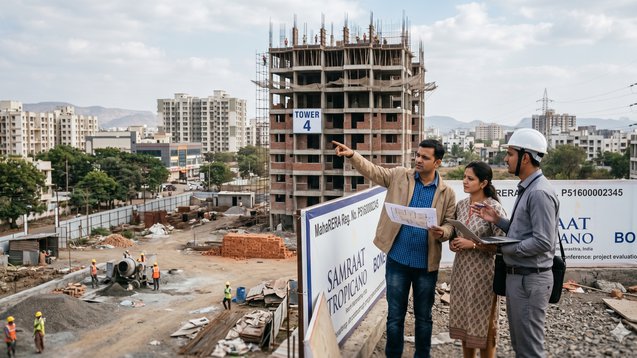
Introduction: Why Smart Evaluation Matters More Than Ever in 2026
Home buying in 2026 will present completely different challenges. The Indian real estate market now operates as a high-stakes environment which requires data analysis to assess properties beyond personal preferences for floor plans. The same level of importance applies to all three property types which include luxury penthouses in Gurgaon, mid-range flats in Noida, and budget-friendly apartments in developing locations of Nashik and Indore. The purchasing process becomes challenging for buyers because they reach their first obstacle at this point. People develop tunnel vision because they concentrate only on the cost and the area while they disregard the elements which decide success or failure: The developer must establish their builder credibility by proving they fulfill their commitments. Clean titles determine legal property standing because they contain no future ownership issues.
The construction standard determines whether the building will maintain its original appearance after ten years.The area needs to demonstrate actual development progress instead of being treated as an empty market trend. Most people who disregard this information will acquire properties which present attractive appearance in advertising materials but they will not meet actual performance standards. A house serves two essential functions because it must match your present requirements while it should maintain its worth in the future. People should now stop questioning whether a project has value because they need to consider whether it matches their needs. The assessment process needs real-world investment evaluation which our team developed as a complete guide to help you complete this process successfully.
Location Analysis: The Foundation of Every Property Decision
The expression "location, location, location" which serves as the oldest established saying shows a different meaning in 2026. The definition of your neighborhood now requires assessment of your exact location within that area. Delhi NCR and Mumbai serve as Tier 1 powerhouses which create distinct pathways for two projects that belong to the same industry. The first property provides access to a Metro station and a signal-free expressway within two minutes of walking distance. The second property exists behind a permanent traffic bottleneck which creates a situation for continuous congestion. The distance of 500 meters stands as the minimum requirement which determines whether a property will achieve high returns or remain inactive. Emerging Tier 2 cities such as Nashik require different yet equally important focus areas for their development. The Triangle of Convenience serves as the main factor which buyers use to evaluate accessibility to their office and quality schools and dependable healthcare facilities.The present accessibility of a location permits evaluation through two methods because it shows all entry and exit paths that operate during peak travel times. The public transit system assessment requires determination of whether a Metro system or high-speed rail line currently exists as a construction project or whether it exists only as a proposed operation listed on a flyer. The infrastructure pipeline assessment requires determination of whether the area will receive new flyovers and sewage plants and commercial hubs. The neighborhood saturation assessment enables you to determine whether your purchase involves a green planned area or an already overcrowded concrete jungle. People want to find locations which provide better value than their current state. You want a location that is actively evolving into something more valuable by the time you reach your selling or moving date. Your city selection requires you to choose between two options: the growing possibilities of Nashik which functions as a Tier 2 city or the established but complicated market segments found within Mumbai.
Builder Reputation: The Backbone of Project Reliability
The quality of a project depends entirely on the skills of its developing team. The project becomes untrustworthy when the developer fails to deliver reliable performance despite the impressive visual presentation and the numerous early bird discount offers. A reputable builder maintains three essential work standards because they must complete projects on time while using proper materials and maintaining secure documentation from occupancy certificates to land titles.Your future happiness will be determined by your past experiences. The professional builder achieved better results through his work than the corner cutter who built his facility through substandard methods. You must investigate the builder's previous projects before you proceed to sign any document. The "On-Time" Factor: Do they have a history of dragging their feet for years? Client Sentiment: What do people living in their 5-year-old projects have to say? Financial Health: Are they overleveraged, or do they have the capital to actually finish what they started? Property Aaj (www.propertyaaj.com) provides essential support for people who face difficulties because they need to research property information. The system enables users to evaluate certified projects while viewing builder information from two different perspectives. The data you gather in 2026 will protect you from making a bad financial decision.
Legal Verification: The Non-Negotiable Step
The legal side of real estate functions as more than basic paperwork because it prevents you from losing all your money through investment. Your foundation serves as your house's base which determines whether everything else can proceed. You must create unbreakable legal boundaries before you develop feelings for the property. The "Big Four" needs to be requested beyond what the brochure provides. RERA Registration serves as your main protection. If a project isn't registered with the Real Estate Regulatory Authority, walk away. Clear Land Titles require you to confirm that the builder owns the land without any undisclosed family disputes or bank liens.
Building Approvals (Commencement Certificate) requires local authorities to confirm whether they permit construction of this building size on the specific plot. Environmental Clearances require projects to meet green compliance standards because courts will halt such projects that fail to meet these requirements. The verification process becomes essential when you enter Tier 2 and Tier 3 cities. Small cities operate according to their own land laws and documentation practices which differ from the standardization that exists in Mumbai and Delhi. The Nashik rules need to be examined because they differ from the rules that apply in Bangalore. Secure investment exists when the value of an asset increases but its true ownership remains with the buyer who paid for it. Your home will belong to you forever only when legal documents establish your ownership.
Project Planning and Layout: Beyond Square Footage
Many buyers focus only on the size of the apartment, but project planning is equally important. A well-designed project needs efficient layouts and sufficient open spaces and suitable ventilation systems. High-density projects with excessive units create a cramped atmosphere which affects resident comfort regardless of apartment dimensions. People living in low-density developments experience better living conditions than those in high-density areas. The analysis of layout designs and building locations and shared spaces enables assessment of real-world residential space.
Construction Quality: What You Can’t Change Later
The Gemini statement indicates that real estate developers must acknowledge building construction standards since these standards create lasting aspects of their properties which developers disregard. The structural elements of buildings remain permanently fixed while all other components of a building, including walls and kitchen cabinets and flooring materials, can undergo changes. No solution exists for fixing broken bones through DIY methods.
To stop a project from becoming a "money pit" you need to investigate the situation through detective work. The best way to predict the future of a new project is to look at the developer's past. Visit a building they finished five or ten years ago and look for the "tell-tale" signs of cutting corners:
The Red Flags: Do exterior surfaces show spiderweb cracks? Does dampness or seepage, which serves as the silent killer of Indian apartments, rise up the walls?
The Finish: The assessment of basic elements requires you to examine joint tiling quality and window frame alignment and electrical wiring tidy appearance.
The Aging Process: The building shows its age through either graceful weathering or it appears to have aged several decades beyond its actual age.
A building constructed with the right techniques and high-grade materials becomes a durable asset which serves as permanent housing. Your building will maintain security for your family through its durable construction which will result in lower maintenance costs throughout time. Do you have any upcoming plans to visit finished sites, or do you remain in the brochure phase of your research?
Amenities: Practical Value vs Marketing Hype
Modern developers use amenities as attractive features which they present to potential customers who want to buy their properties. The brochures present "resort-style" commitments which include extensive clubhouses and infinity swimming pools and modern co-working spaces and beautiful gardens. An amenity becomes a benefit when it functions properly and users choose to engage with it.The final product often shows a complete difference from the polished design that exists in the marketing materials. Developers make excessive promises about their projects when they describe features that exceed their financial limitations and their capacity to sustain those features. The "lifestyle" components experience their worst situation when developers leave them incomplete or in development for multiple years after residents start living there. The project assessment process requires you to stop assessing projects according to their total number of items and instead assess projects based on:
Practicality: Do you really need a virtual golf simulator, or would you rather have a reliable backup generator and functional elevators?
Maintenance Costs: The presence of large swimming pools and well-maintained gardens results in businesses acquiring high expenses for upkeep.
Execution History: Has this builder delivered functional, high-quality amenities in their previous projects, or are their old clubhouses falling apart?
The goal is to look past the marketing fluff. The ideal residential development should not only create an appearance of a vacation destination through its documentation but also provide residents with a reliable high-quality space which supports their daily activities without interruptions.
Pricing Analysis: Understanding True Value
The total price of an item does not determine its value which customers receive from their purchase. Buyers should compare the project’s pricing with similar developments in the same area. Lower project costs usually indicate existing problems which need to be examined. Higher-priced items must demonstrate their extra value through superior location and better quality and additional features. The total expenses require evaluation which includes maintenance costs and parking expenses and registration fees. The total cost evaluation provides essential information which helps prevent unexpected costs in the future.
Construction Stage: Risk vs Visibility
The construction stage determines the most important assessment value for a project evaluation. Projects under construction deliver reduced initial costs to investors but present them with greater dangers. Projects that are complete provide instant occupancy yet their costs remain higher than other options. Projects that are almost finished present a situation where the risk and cost balance each other. The assessment of this element requires you to understand both your project timeline and your capacity to handle risk.
Infrastructure and Future Growth Potential
A good project should not only be suitable for today but also for the future. The upcoming infrastructure developments which include metro lines and highways and commercial hubs will create major effects on property value. The metro expansion together with expressway connectivity has changed whole districts in the National Capital Region of India. Industrial development together with urban development in Tier 2 cities creates the same economic effects as industrial development in urban development areas. Future growth potential assessment assists investors with their long-term investment decisions.
Demand and Livability: The Human Factor
The actual worth of a project establishes itself through people who experience the project as their primary way to measure its value. Demand for the project and occupancy levels together with community development activities serve as critical measurement tools for evaluating project success. Strong demand enables projects to achieve higher resale value together with improved rental income potential. The site visit together with the assessment of surrounding developments will deliver significant informational value.
Financial Viability of the Builder
The financial condition of a builder functions as a determining factor which impacts their ability to finish projects. Developers who handle several projects need sufficient funding to avoid project delays. Financial difficulties of a business become evident through its construction work which shows slow progress and uses excessive discounting practices. The selection of a builder who maintains financial stability establishes lower chances of experiencing project delays.
Comparing Projects Before Final Decision
The best way to assess a project requires its comparison with similar projects. The assessment of multiple projects enables better identification of their respective strengths and weaknesses. Property Aaj (https://www.propertyaaj.com) provides structured data and verified listings which make this process easier. The method guarantees that decisions will use actual information instead of making incorrect assumptions.
Common Mistakes Buyers Should Avoid
Many buyers make the mistake of rushing into a decision because they feel pressure from time-limited deals and their emotional connection to a particular property. People tend to make errors by evaluating worth through two factors which include their legal verification and the actual value of the amenities and their focus on the product's cost. The rules which you should not break contain all necessary elements to achieve successful investment outcomes.
Investment Perspective: Evaluating Long-Term Value
The investment value of a residential project which brings appreciation potential and generates rental income and enables resale at higher value represents its financial worth. A project which a respected builder develops in a location that provides good transportation access will deliver better performance throughout its existence. Investors need to find the proper balance between investment risks and potential returns to make effective investment choices.
Conclusion: Evaluate First, Decide Later
The process of evaluating a residential project requires time and research and the application of practical thinking skills. The effort that people invest in their work brings them valuable results. A project that undergoes thorough evaluation offers users permanent satisfaction and financial protection and mental peace. A project that receives inadequate assessment creates extended periods of anxiety for users. The key to success requires you to maintain an unbiased perspective. You need to concentrate your attention on essential elements instead of promotional materials. Property Aaj (https://www.propertyaaj.com) serves as a reliable platform which enables users to explore authenticated projects while effectively comparing different options. The most effective real estate buyers base their purchasing decisions on comprehensive knowledge instead of making quick decisions.
FAQs
1. What is the most important factor when evaluating a project?
The two most important elements for evaluation purposes are the location and the builder's reputation.
2. How can I check if a project is legally safe?
You need to check three documents including RERA registration and land title and project approvals.
3. Are amenities important?
The answer is affirmative but only for amenities which people can use and which will be provided.
4. Should I buy under-construction or ready property?
Your financial resources together with your project schedule will determine which option suits you better.
5. How do I compare projects effectively?
You should use Property Aaj (https://www.propertyaaj.com) because it provides organized tools for project assessment.
6. Is location more important than builder?
Both factors hold identical significance for determining property value throughout its entire lifespan.
Read more about property matters with our specialists and browse the latest property listings on Property Aaj. Download the app from the Play Store and App Store now for easy buying, selling, and renting!