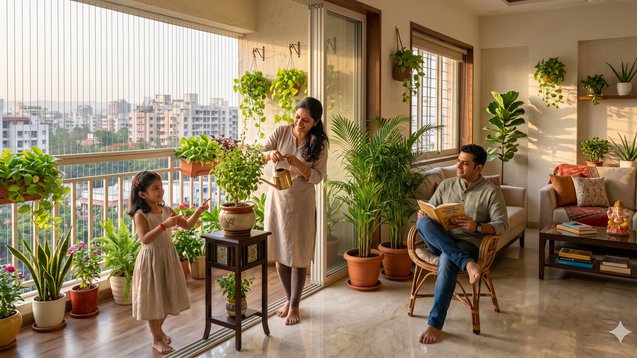
Plants That Improve Vastu Energy
Vastu Plants for Positive Energy at Home
Introduction:
Walk into any well-designed Indian home today whether it’s a compact apartment in Mumbai, a spacious flat in Nashik, or an independent house in a Tier 3 town you’ll almost always find plants. Not just for aesthetics, but for something deeper. A sense of calm. A feeling that the space “breathes” better. That’s where Vastu Shastra connects beautifully with modern living. Plants are considered powerful carriers of positive energy. They balance natural elements, purify the air, and subtly influence how a home feels on a daily basis. But here’s where many people go wrong: just placing any plant anywhere doesn’t work. In fact, the wrong plant or incorrect placement can disturb energy flow rather than improve it. In today’s real estate market, especially on platforms like Property Aaj (https://www.propertyaaj.com), buyers are increasingly paying attention to such details. Balconies, terraces, and even window spaces are no longer just “extra features” they’re opportunities to enhance lifestyle and energy. So if you’re wondering which plants actually improve Vastu energy and how to use them effectively, let’s break it down in a practical, real-world way that works for Indian homes.
Why Plants Matter in Vastu Shastra
Plants represent life energy which Vastu refers to as “Prana. They bring growth, freshness and stability into a home. But beyond theory, think about your own experience. A house filled with greenery instantly feels more alive compared to one filled only with furniture and decor. People who live in Bangalore or Delhi, which both experience high pollution and stress, need indoor plants, which have become essential to their daily lives. The plants establish a peaceful atmosphere by reducing indoor toxins and increasing oxygen levels. People who live in Nashik, Indore, and Jaipur, which are Tier 2 cities, still have open space access, but they increasingly choose to live in apartments. The use of indoor plants and balcony plants has become essential. Even in Tier 3 towns, where independent houses are common, people are now consciously adding plants not just in gardens but inside living spaces as well Interestingly, buyers browsing Property Aaj (https://www.propertyaaj.com) are increasingly drawn to homes with greenery. It’s not just about looks it’s about how the home feels the moment you step in.
Best Vastu Plants for Positive Energy
Vastu recognizes different plant species with plants which attract wealth and peace and emotional equilibrium. Tulsa (Holy Basil) is considered one of the most powerful plants. The plant serves as a sacred symbol which people believe can cleanse their surroundings through its ability to purify both air and energy. The plant needs northeast orientation but it can also be grown on balconies and window areas. Money Plant is extremely popular in urban homes. The plant requires little care while it can grow in various conditions which makes it a symbol of financial success. The plant grows indoors and its best position is southeast. Bamboo Plant brings good fortune which leads to financial success. The plant serves as a standard solution for residents of apartments who require cost-effective options which need little upkeep. Areca Palm makes an ideal choice for living room spaces. The plant purifies indoor air while its gentle appearance creates a relaxing atmosphere throughout the room. The Snake Plant stands out because it produces oxygen during night hours which makes it perfect for placement in sleep areas. Indoor spaces become more pleasant through strategic placement of two or three plants.
Plants to Avoid as per Vastu
The research demonstrates that certain plants improve positive energy while other plants should not be used. The most common plants that people should not use are cactus plants together with thorny plants. The contemporary design of these objects appears fashionable but their pointed edges create psychological stress because they induce fighting between people. The list includes bonsai plants because they exist as an unexpected element. The plants develop vertical growth to create attractive visual displays but Vastu prohibits their use because they restrict natural development. The presence of dead or dried plants creates a total prohibition. The plants present their appearance as dead but they should get removed because they bring stagnant energy into the space. The design mistakes appear frequently in Tier 1 cities because interior designers there choose to follow contemporary design patterns instead of traditional design methods. People are becoming more conscious about the situation. Buyers today are more informed and often cross-check such details before finalizing their home interiors.
Perfect Planting Locations
The correct placement of plants equals their actual essential value. The northward and eastward directions serve as ideal growth paths because they provide plants with their needed energy. The northeast zone provides special benefits which make it suitable for Talsi plant cultivation. Heavier plants and outdoor greenery find proper space in south and west areas. These areas create problems for people who need to handle delicate indoor plants. The direction of the balcony space creates a significant impact on the area. An east-facing balcony with plants creates better light and energy for apartment residents in Pune and Hyderabad and Mumbai. The brightness and positive energy of these layouts make buyers at Property Aaj (https://www.propertyaaj.com) choose them without realizing their choice.
Indoor vs Outdoor Plants, What Works Better?
This common question needs people to answer it based on their specific home environment. Outdoor plants demonstrate greater Vastu energy strength because they receive direct access to sunlight and air and all natural elements. Indoor plants serve as better options for apartment spaces. The plants can be used to enhance particular areas throughout the house. People in Tier 1 cities need indoor plants because their balcony areas stay small. The combination of outdoor plants and indoor plants provides homeowners in Tier 2 and Tier 3 homes with a way to create overall energy balance while achieving specific indoor benefits. The best approach is balance. You need only a few plants to create your space but you should choose which plants to use for particular areas of your home.
How Plants Influence Mood and Lifestyle
Plants affect human emotions and daily activities according to Vastu. The plants create a stress-free space which helps people concentrate better while providing a peaceful atmosphere. People who work from their homes will find this aspect especially important. Your daily routine will experience an immediate mental shift when you begin your day in a space filled with natural light and plants. In urban areas where people live their lives at high speed, plants provide a brief but effective source of peace. The modern homebuyer trend stems from homeowners who now view their properties as more than financial investments. Homebuyers choose their properties based on their living needs because plants create essential elements for this process.
Impact on Property Value and Buyer Preference
Greenery at a property does not create direct property value increases but it affects how buyers view the property. A home which maintains its outdoor plants creates a more attractive atmosphere for visitors. The first impression creates a beneficial effect, which leads to people making buying choices. In Tier 1 cities, where buyers have multiple options, such details can make a property stand out. Vastu-compliant features which include plant placement operate as emotional assets for. developers who work in Tier 2 and Tier 3 markets. Vastu-compliant features which include plant placement operate as emotional assets for. developers who work in Tier 2 and Tier 3 markets. The current trend has begun to attract developers. Property Aaj (https://www.propertyaaj.com) now displays green balconies, landscaped gardens, and Vastu-friendly layouts as essential marketing features for their new construction projects.
Common Mistakes People Make with Vastu Plants
Even with good intentions, mistakes happen. Overcrowding plants in one area can block energy instead of improving it. Ignoring sunlight requirements leads to unhealthy plants which defeats the purpose entirely. Using artificial plants is another common mistake. They may appear good, but they serve no practical purpose as far as Vastu or environmental benefits are concerned. Placing plants in dark corners or bathrooms is also not recommended. The key is simplicity. A few healthy plants placed correctly are far more effective than overloading your space.
Caring for a Plant Is More Crucial than You Realize
Plants that receive care and attention will create positive energy, whereas plants left unattended will create negative energy. It is essential to do the following: Water your plants regularly, give them enough light, and cut them back occasionally. It is important to replace any plant that has died or dried out immediately. This is even more important if you are renting, since most landlords do not perform proper long-term maintenance. Even if you are a tenant, you can enjoy having some nice plants in your rental unit. This is particularly true, as many rental property owners are now adding house plants as part of the rental experience. When you purchase a house plant, think of it as a living decoration, not simply as an attractive object.
Conclusion
Home Vastu energy improves through plant usage which serves as the most basic yet effective solution. The system needs no major expense but requires people to learn about it and practice it regularly. The appropriate plants create an uplifting atmosphere which transforms your home from a new property to an apartment rental and your existing residence. The importance of greenery has increased throughout India which includes metropolitan areas and second-tier cities and traditional third-tier towns. Greenery provides benefits that extend beyond Vastu as it enhances both health and emotional well-being. You can create your own path because you have the freedom to choose your own rules. The only requirements involve selecting appropriate plants which should be positioned correctly and taken care of properly. A home needs to create an energetic atmosphere because people should experience a living space. Plants create a living environment because they deliver life and stability while creating daily positive energy throughout your home.
FAQs
1. Which plant is best for attracting money as per Vastu?
The money plant is widely considered the best for financial growth. The plant requires minimal care and thrives in indoor environments. The southernmost area of a space should have the plant because it boosts wealth energy according to beliefs.
2. Can I keep plants in the bedroom according to Vastu?
The answer is yes but only specific plants which include snake plants and peace lilies. The space requires protection from large plants because their weight disrupts the energy balance which should exist in a resting area.
3. Is Talsi plant mandatory for Vastu compliance?
The practice needs to have Talsi present but it becomes essential for the practitioners. Talsi possesses spiritual power which enables it to purify both atmospheric and energetic spaces. The correct placement of the object requires you to position it in the northeast direction.
4. Are artificial plants good for Vastu?
The presence of artificial plants prevents proper Vastu energy to flow through the space. The objects appear visually appealing yet they do not possess vital energy which would create positive effects on their surroundings.
5. Do plants have an impact on property values?
The answer is yes because homes which contain trees and experience proper airflow become more attractive to potential buyers. The resale value of properties in Vastu-compliant markets will experience positive growth because of this factor.
6. What should I do if my plant dries or dies?
You must take out the item at once. Dead plants represent energy which has stopped moving. The home requires replacement with fresh plants for sustaining positive energy.