Introduction
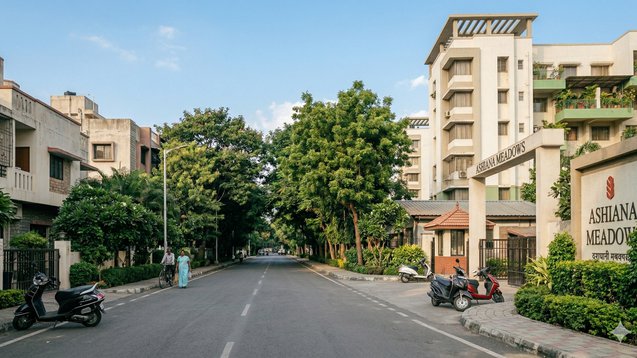
The process of purchasing a house in India goes beyond evaluating its square footage and available facilities and its cost per square foot. It is about the life you will live there every single day. The neighborhood which you live in your daily life actually proves to be the most important factor that determines your experience of life. A peaceful neighborhood does not simply mean silence. The term defines something which includes proper traffic patterns and public spaces that people use with respect and building occupancy which public spaces need to support and roads which provide secure passage and an environment that permits peaceful sleep and clear thinking and comfortable family living. In Tier 1 cities like Mumbai, Bengaluru, Delhi NCR, and Hyderabad, finding peace can feel challenging due to congestion and rapid development. The residential neighborhoods of Indore and Lucknow and Coimbatore are undergoing transformation because these Tier 2 cities experience expansion. Tier 3 towns appear to be peaceful but their businesses and unplanned development activities create disruptions which ruin their peaceful atmosphere. Which method should you use to make your choice? The essential elements that create a peaceful neighborhood extend beyond marketing materials and promotional brochures.
Look Beyond the Property and Study the Surroundings
Many buyers concentrate their attention on the apartment or house itself. Your peaceful existence depends more on the entities that exist beyond your home boundaries. In Tier 1 cities, a beautifully designed apartment may lose its charm if it faces a busy arterial road or commercial strip. Tier 2 cities experience fast mixed-use development which transforms quiet residential areas into congested traffic routes within several years. In Tier 3 towns, traditional markets and bus depots create unanticipated noise and crowd movement around their locations. The visitors who explore Property Aaj listings at httpswww.propertyaaj.com should examine the map details. The search should include examination of nearby landmarks. The user needs to verify whether the area consists of residential spaces or commercial mixed-use areas. The user needs to identify main roads and flyovers and railway tracks and marketplaces that exist in the area. The property achieves its peaceful state because of external factors which exceed what exists inside the property boundaries.
Evaluate Traffic Patterns at Different Times
The majority of customers make their first error when they visit stores during off-peak periods on peaceful afternoons. Office time traffic in Tier 1 cities creates street congestion problems which transform normal streets into severe traffic jams. School zones in Tier 2 cities experience their highest traffic volumes during morning and afternoon periods. Market days and festivals in Tier 3 towns cause significant increases in crowd density throughout the area. Peak hours provide the best time for your visit. You should watch how cars move through the area. You should also watch how people walk through the area and how vehicles park. The area produces a constant stream of loud vehicle sounds and drivers who use their horns repeatedly. The area experiences delivery trucks which pass through the street at regular intervals throughout the day. People experience diminishing mental health because of daily traffic stress. The neighborhood needs to maintain its comfortable state which allows residents to handle peak times without disruption.
Check Noise Levels Carefully
People achieve peace when their sound levels decrease. In Tier 1 cities, construction activity is often continuous. The construction site maintains its status as a complete project even though other sites continue their building work. The growth of commercial spaces and banquet halls in Tier 2 cities causes disturbances which begin after midnight. The religious centers in Tier 3 towns operate loudspeakers at particular times throughout the day. During your visit, please remain silent for three minutes. You should keep doors to windows and balcony spaces wide open. You need to find out how much outside noise comes into your space. You should ask current residents about noise levels which occur during festival times and wedding celebrations and public activities. Brochures about silence cannot provide accurate information about silence. People need to experience it through direct contact.
Observe the Demographic and Social Environment
A peaceful neighborhood exists through both its environmental silence and its community relations which maintain social order. The transient communities in Tier 1 cities experience limited social bonding because specific micro-markets generate high rental turnover rates. The developing layouts in Tier 2 cities will start to build permanent residential areas. The housing clusters in Tier 3 towns create dense living conditions which result in stronger community connections. The best method to gather information about your neighborhood is to connect with your nearby residents. The safety status and social relations among residents and their daily activities throughout the area should be examined during your investigation. Do the residents experience regular conflicts? Does the parking area function in an organized manner? Are the shared spaces kept in good condition? A peaceful social environment brings major benefits to daily life.
People need access to Green Spaces and Open Areas
Greenery creates a tranquil environment for people who spend time in green spaces. The residents in Tier 1 cities achieve higher levels of relaxation at their public spaces which include parks and lakes and streets that have trees. The new townships in Tier 2 cities develop their areas through two main methods which involve creating new road systems and establishing designated green areas. The upcoming building projects in Tier 3 towns will decrease their existing advantage of having more unoccupied areas. Green cover provides two environmental benefits which include better air quality and reduced temperatures that result in improved outdoor comfort. You need to measure the distance from parks and open spaces when you want to evaluate properties through Property Aaj (https://www.propertyaaj.com). Residents need open space because it provides them with a space to breathe in a peaceful neighborhood.
Safety and Street Design
The level of safety in an area directly determines its degree of peacefulness. Busy streets in Tier 1 cities experience disorganized traffic conditions because drivers struggle to navigate through narrow roadways. The rapid growth of suburbs in Tier 2 cities results in insufficient street lighting. The absence of designated pedestrian pathways in Tier 3 towns leads to situations where people must share road space with various types of vehicles. Research road width street lighting CCTV installation and pedestrian facilities. The presence of a neighborhood that permits children to walk and ride bicycles creates a safer space than areas where vehicles drive at high speeds. Safety becomes more visible to people which leads them to experience greater comfort.
Future Development Plans
The current quietness of a location will not persist into the future. Tier 1 cities are expanding their metro lines and flyovers and commercial hubs through continuous infrastructure development. Investors are showing interest in industrial parks and educational institutions which will lead to economic growth in Tier 2 cities. The new highway and logistics corridor projects will now include Tier 3 towns. Local brokers and municipal development plans serve as sources to discover upcoming projects. The peaceful residential area will transform into a transit route within the next few years. Buyers who make smart decisions base their choices on conditions that will happen between five to ten years from now.
Balance Connectivity with Calmness
Peace does not mean isolation. The outer areas of Tier 1 cities provide silent environments but they require people to endure extensive time spent traveling. Essential services are unavailable in Tier 2 cities because their remote areas have been designed with excessive distance between locations. The healthcare and educational facilities in Tier 3 towns exist at remote locations which limit their access to the community. The goal is balanced connectivity which provides accessibility to daily needs while maintaining distance from ongoing commercial activities. A peaceful neighborhood supports convenience without overwhelming your daily life.
Conclusion
People need to wait and watch and think about practical solutions when they want to find a quiet place to live. The process requires traffic pattern analysis and noise level measurement and assessment of social spaces and evaluation of green areas and measurement of security and examination of upcoming development plans. The selection of specific micro-locations in Tier 1 cities becomes essential because of increasing traffic congestion and developing transportation systems. The fast growth of Tier 2 cities requires thorough assessment of mixed-use development projects. The assessment of Tier 3 towns reveals their peaceful nature but requires evaluation of their future urban development. The process requires you to visit the area multiple times and talk to local people and check all the details about the area. Your final decision should be based on trustworthy sources such as Property Aaj which provides neighborhood comparisons and local community information through its website https://www.propertyaaj.com. A home is more than an investment. Your home serves as the space where you find peace during your nighttime sleep. Select a community that maintains your inner tranquility.
FAQs
1. How can I identify a peaceful neighborhood quickly?
The study requires people to observe peak traffic times and traffic movements and street noise and commercial activities which take place near their study location.
2. Are outskirts always more peaceful?
Yes, but essential services and connectivity beyond their borders remain unfulfilled. Overspending leads to negative outcomes, which requires organizations to maintain proper balance.
3. Do gated communities guarantee peace?
Internal operations of gated communities which reduce both traffic and noise create a peaceful environment, but the areas outside the gates have an impact on overall community silence.
4. Should I worry about future development?
Yes. The upcoming infrastructure projects will create major changes which will occur in both traffic patterns and noise emissions throughout the area.
5. Is Tier 3 always quieter than Tier 1?
The answer is yes because most areas remain quiet except for specific locations which experience market activity and street traffic.
6. Does peace affect property resale value?
The answer is yes. Buyers are prioritizing comfort and environment, supporting demand in calmer areas.
Read more about property matters with our specialists and browse the latest property listings on Property Aaj. Download the app from the Play Store and App Store now for easy buying, selling, and renting!