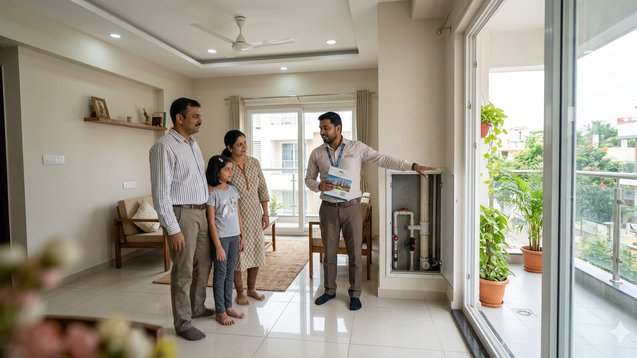
Choosing Property With Minimal Maintenance Design
Introduction: The Hidden Cost Most Buyers Ignore
When Indians buy a home, the conversation usually revolves around price per square foot, location advantages, and amenities. Very few buyers pause to ask a simple but powerful question: How much will this home cost me to maintain every year? That’s where smart homebuyers are beginning to think differently. A property with minimal maintenance design doesn’t just save money it saves time, reduces stress, and preserves long-term property value. Whether you’re a busy working professional in Bengaluru, a family buyer in Indore, or an investor in a Tier 3 town, low-maintenance homes are becoming a strong preference across India. Why? Because modern lifestyles leave little room for constant repairs, repainting cycles, plumbing issues, and society maintenance hikes. Across Tier 1 cities, rising labour costs are making maintenance expensive. In Tier 2 and Tier 3 markets, inconsistent construction quality sometimes leads to frequent repairs. Either way, buyers are becoming more practical. If you are planning to buy a property in India, understanding how to identify minimal maintenance design can save you lakhs over the next decade. Let’s break it down in a clear, practical way.
What Does Minimal Maintenance Design Actually Mean?
Minimal maintenance design is not just about using fancy materials. It is about intelligent planning that reduces future repair needs. A low-maintenance home typically has:
• Durable exterior finishes
• Smart plumbing layout
• Quality waterproofing
• Efficient common area design
• Simple, functional architecture
• Easy-to-clean surfaces
In Tier 1 cities, developers increasingly market “low maintenance living” in premium projects. However, marketing language can be misleading. You must verify what actually reduces maintenance. In Tier 2 and Tier 3 cities, many projects still focus more on initial cost than lifecycle cost. This creates an opportunity for informed buyers to pick smarter homes that age better. When browsing listings on Property Aaj (https://www.propertyaaj.com), pay attention not just to amenities but also to construction specifications and material details. That’s where the real story lies. A beautiful home is good. A low-maintenance beautiful home is better.
People underestimate how important exterior finish of buildings is because they think it has little impact.
The cost of exterior repainting which Indian housing societies face throughout their existence stands as their highest financial burden. Buildings with standard paint exteriors typically require repainting every 4–6 years. The cycle for this process becomes shorter in coastal Tier 1 cities which include Mumbai and Chennai because of their high humidity and salt exposure. Building owners who need to minimize their maintenance costs choose to use these materials:
Texture coating
Acrylic emulsion
Tile cladding
Stone façade
Aluminium composite panels (ACP)
The initial expenses of these finishes increase but their advantages lead to multiple repainting delays throughout their lifespan. In Tier 2 cities, many mid-range projects still rely on basic exterior paint to keep launch prices attractive. Buyers must think long term. A society that avoids one major repainting cycle can save lakhs in maintenance funds. The Property Aaj project evaluation process requires users to zoom into exterior images while reading all façade specifications from the URL https://www.propertyaaj.com. This small step can reveal a lot about future expenses.
The design of smart plumbing systems
This creates sustainable solutions which eliminate future operational problems. Plumbing failures are among the most frustrating maintenance issues Indian homeowners face. The plumbing system suffers from operational issues because of:
pipe leaks which occur frequently
The walls experience water damage
The bathroom area has water problems
The system needs pipe replacements
The installation of vertical plumbing stacks along with accessible duct systems creates a maintenance solution which enables repairs without wall demolition in high-quality minimal maintenance homes. The construction of modern plumbing shafts has become standard practice for Tier 1 high-rise buildings. Some builders in Tier 2 and Tier 3 projects hide their pipelines behind walls which lack proper access panels, resulting in costly repairs during future work.
The property inspection process requires you to assess:
The accessibility of plumbing ducts
The existence of maintenance shaft access
The effectiveness of bathroom waterproofing measures
A small plumbing design flaw today can mean repeated repair costs for years.
Smart buyers don’t just check bathroom fittings they check what’s behind the wall.
Flooring Choices That Reduce Long-Term Costs
The choice of flooring material determines the maintenance expenses and the lifespan of the flooring. The following flooring materials require minimal upkeep in Indian residential buildings:
Vitrified tiles
Double-charged tiles
Natural granite in high-traffic areas
Anti-skid tiles in balconies and bathrooms
Marble exhibits a luxurious appearance yet demands regular polishing and extensive upkeep. Wooden flooring appears to be high-end yet it does not perform effectively in humid Tier 1 coastal regions. In Tier 3 independent homes, lower-cost ceramic tiles are common but they chip and fade at a faster rate. Buyers should match flooring choice with lifestyle. Vitrified tiles which last long and cost less to maintain create the best rental property solution for investors. The flooring specifications in Property Aaj listings (https://www.propertyaaj.com) help users determine whether builders focused on making durable structures or creating attractive designs. The floor you walk on every day should be simple to clean and maintain.
The setup of small spaces shows high productivity while needing minimal time
To handle their requirements. The exterior of large houses displays a majestic appearance. The existence of extra unoccupied spaces in a building results in increased expenses related to cleaning and maintenance work and electricity consumption. The design with minimal maintenance requirements typically includes:
Proper room dimensions
Minimized unused areas
Safe passage routes
Appropriate balcony dimensions
The per-square-foot expenses of Tier 1 cities lead developers to implement efficient building designs. In Tier 2 markets, some oversized but poorly planned homes still exist. A properly designed 900 square foot 2BHK costs less to maintain than a badly organized 1 100 square foot apartment which contains useless hallway space. The evaluation should include the following elements:
The position of windows which determines their cleaning access
The balcony areas which collect dust from outside
The advanced complexities that come with installing false ceilings
The total number of bathrooms in the building because additional bathrooms result in extra cleaning duties
The process of arranging spaces in a building creates hidden advantages which identify ongoing maintenance requirements.
Common Area Design Impacts Monthly Maintenance
A lot of people who buy homes forget one thing. The cost of maintaining the building and its surroundings is heavily influenced by the things that are shared by everyone like swimming pools and gardens and how complicated the design of these things is. If a project has things like:
swimming pools
Big water features
Lots of gardens and plants
nice clubhouses
then the cost of maintaining these things is usually higher every month. People who buy homes in expensive areas know they have to pay more for these things.. In smaller cities people are sometimes surprised by how much they have to pay for maintenance after they move in. Some communities are designed to be easy to maintain. They usually have things like:
Amenities that are useful and do not cost a lot to maintain
Lights that use energy
Gardens that use water
Elevators that are strong and last a long time
Before you buy a home you should ask the person building it how much you will have to pay every month for maintenance. When you are looking at homes, on Property Aaj (https://www.propertyaaj.com) do not just compare the prices of the homes. You should also think about how much it will cost to maintain them. This is how smart buyers can tell if a home is a deal or if it will cost them a lot of money in the long run.
Waterproofing Quality Is a Long-Term Money Saver
The diverse climate of India which includes heavy monsoons and coastal humidity requires waterproofing as an essential protection measure. Poor waterproofing leads to:
Terrace leakage
Bathroom seepage
Basement dampness
Structural weakening
High-quality projects require multiple waterproofing layers to protect their terraces, podiums and wet areas. The quality standards in Tier 1 cities demand developers to implement superior waterproofing methods which exceed current requirements. In Tier 2 and Tier 3 markets, quality can vary widely between builders. During site visits, look for:
Damp patches
Paint bubbling
Musty smell in corners
Terrace water outlets
The process of fixing waterproofing issues after someone has taken possession becomes costly while causing major interruptions. A building that has effective waterproofing systems generates silent financial savings which accumulate to thousands of dollars for homeowners throughout the years.
Waterproofing Quality Is a Long-Term Money Saver
The diverse climate of India which includes heavy monsoons and coastal humidity requires waterproofing as an essential protection measure. Poor waterproofing leads to:
Terrace leakage
Bathroom seepage
Basement dampness
Structural weakening
High-quality projects require multiple waterproofing layers to protect their terraces, podiums and wet areas. The quality standards in Tier 1 cities demand developers to implement superior waterproofing methods which exceed current requirements. In Tier 2 and Tier 3 markets, quality can vary widely between builders. During site visits, look for:
Damp patches
Paint bubbling
Musty smell in corners
Terrace water outlets
The process of fixing waterproofing issues after someone has taken possession becomes costly while causing major interruptions. A building that has effective waterproofing systems generates silent financial savings which accumulate to thousands of dollars for homeowners throughout the years.
Legal and RERA Considerations Buyers Should Know
The RERA regulation requires developers to provide their construction specifications and details about their obligations to handle defects. The five-year period protects structural flaws, but it does not cover normal maintenance problems.
Design quality requires greater importance because of this fact.
The following information needs to be understood:
Stamp duty and registration charges serve as permanent costs
Home maintenance expenses continue to occur throughout multiple decades
Home loan EMIs provide customers with fixed payment schedules
Repair expenses remain uncertain
The execution of RERA regulations displays different levels of effectiveness throughout various Indian states. The digital tracking and grievance processing capabilities of Tier 1 states operate at higher efficiency than those found in Tier 2 and Tier 3 areas, which require more time to solve their conflicts. The process of selecting properties through intelligent methods provides better results than processing complaints after a person has taken possession.
Conclusion: Think Beyond Purchase Price
A home is not just a one-time purchase It is a long-term financial and lifestyle commitment Two properties may have the same price tag today But over 10 years the one with poor maintenance design can quietly drain lakhs through repairs repainting plumbing fixes and rising society charges Across India buyer awareness is improving whether in metros growing Tier 2 hubs or emerging Tier 3 towns People are asking smarter questions And you should too When evaluating options on Property Aaj httpswwwpropertyaaj.com do not just compare carpet area and amenities Study materials Examine layouts Ask about waterproofing Understand common area costs Because the best property is not the one that looks impressive on day one The property that continues to perform smoothly for the next 15 years is the best property.
FAQs
1. What is the biggest sign of a low-maintenance property?
The property shows low maintenance requirements when it has durable exterior finishes and effective waterproofing systems and its plumbing ducts are easy to reach and its design enables efficient operation. The elements that developers included in their design work demonstrate their commitment to creating lasting results which exist beyond the initial launch period.
2. Are low-maintenance homes more expensive initially?
The answer is yes in certain cases which involve high-value Tier 1 projects. The total expenses for maintenance and painting and community fees will exceed the extra initial expense according to research findings.
3. Do more amenities always mean higher maintenance charges?
The answer to this question is yes for most situations. The monthly maintenance costs of projects which include extensive clubhouses and pools and water features will exceed their costs. The planning of practical amenities results in controlled expenses.
4. Is minimal maintenance design important for rental properties?
The answer to this question is yes. Tenants prefer homes which require fewer repairs and charge consistent maintenance fees. Such properties usually experience better occupancy and lower tenant turnover.
5. How can I verify waterproofing quality before buying?
The best time to visit is during monsoon season because it allows water drainage test and dampness assessment and builder waterproofing layer inquiry. High-value products require independent inspections to establish their worth.
6. Does RERA cover regular maintenance problems?
RERA protects structural defects during a five-year period. The owner needs to handle regular wear-and-tear maintenance because they must select a design that requires minimal upkeep.