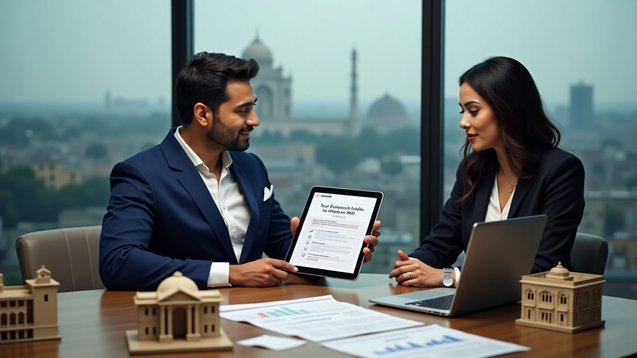
The Pune Metro project is at the center of the city's dramatically changing real estate market. Effective transportation becomes essential as the city grows, not only for everyday commuters but also for influencing how real estate values increase and areas prosper. This article describes how the Metro is changing important neighborhoods like Kothrud, Baner, Hinjewadi, Wakad, Viman Nagar, Kharadi, Hadapsar, Koregaon Park, Magarpatta City, Aundh, Pimpri-Chinchwad, Bavdhan, Pimple Saudagar, Yerwada, and Camp (Cantonment area) for those who are thinking about purchasing, investing, or are simply interested in Pune's growth story. All in an easy-to-understand, courteous, and straightforward tone.
How the Metro is Changing Pune’s Real Estate Game
Metro connection is a real estate powerhouse that offers more than just quicker transit. As a result of the city orienting itself around accessibility, areas near Metro routes are experiencing increased demand, higher costs, and new development activity..
Impact on Localities
Deccan Gymkhana, Karve Nagar, and Kothrud
Interest in these strategically placed locations along the Vanaz–Ramwadi (Aqua) route is growing again. Rents or rates for properties close to these Metro stations have increased by 10–25%. Rental yields in Kothrud and Deccan Gymkhana have increased by 10 to 15 percent as a result of the ease that metro access provides (nikhilmawale.infirstpremises.com).
Aundh, Wakad, Hinjewadi, Baner, and Balewadi
These western suburbs are expanding rapidly, particularly along the future Hinjewadi–Shivajinagar route. Since 2021, sales of luxury homes in neighborhoods like Hinjewadi, Wakad, Baner, Balewadi, Aundh, and Tathawade have increased by more than 300 percent. India's TimesProperties 500 meters or less from stations appreciate 10–25% a year, gaining 25–80% in value over three years. India's Times. Returns for early investors are currently between 20 and 25 percent, and additional 15 to 20 percent yearly increase is anticipated. Real Estate Times+1 in Pune.
Hinjewadi
Pune's primary IT hub, Hinjewadi, benefits greatly from Metro connectivity. Currently rising at a rate of roughly 7% annually, property values are expected to rise even faster. Ghar.tv/kumarworld.in.
Communities like Shivatman and 7BS are being developed as upscale transit-oriented areas close to the Metro. naiknavare.com.
Hadapsar's Viman Nagar, Magarpatta City
Metro-enabled connection makes these eastern towns ideal for commercial growth. New office buildings, shopping centers, and retail structures are appearing; Milan Tower serves as an example of walk-to-work architecture that links residents and amenities. The Financial Times nikhilmawale.in.
Kharadi Metro access has accelerated Kharadi's transformation into a posh and business center. By the end of 2024, property prices had increased from about ₹6,200/sq ft to ₹8,000–10,405/sq ft (naiknavare.com).
Pimple Saudagar, Ravet, Moshi, Punawale, Pimpri-Chinchwad
Due to their affordability and accessibility, these expanding suburbs are attracting a lot of residential interest. According to Credai, there is a high demand for mid-segment homes due to potential Metro connections. The Indian Times PUNE PULSE: Targeted, Linked, and Trusted. A post-metro real estate boom in Chinchwad, Nigdi, and Akurdi is confirmed by PropTiger.
Balewadi High Street, Shivajinagar, University of Pune
For these commercial, residential, and educational zones, Phase 3 promises a significant improvement. By 2027, prices in the university region may increase from ₹6,200 to ₹8,500–9,000/sq ft. According to Pune Real Estate Times, Shivajinagar may cost ₹13,000–14,000/sq ft, while Balewadi may cost ₹10,500–11,200/sq ft.
Koregaon Park, Yerwada, and Camp (Cantonment area)
Even though not all of these locations have direct metro access yet, improved accessibility increases their commercial appeal, particularly in Koregaon Park. According to The Economic Times, developments like ABIL Boulevard, which has excellent transit connections, are transforming it into a corporate and GCC hub. Better roads, lighting, walkways, and other Metro-plus infrastructure improvements are also increasing property values in Yerwada, Bavdhan, Wakad, and other areas (nikhilmawale.in).
Additional Factors Shaping Metro-Driven Growth
The strategy of transit-oriented development (TOD)
Mixed-use developments near Metro stations are now preferred by developers. These provide premium pricing, faster sales, and more comfortable trips. Walkable, amenity-rich neighborhoods are valued by both buyers and investors. Ghar.tv and nikhilmawale.in.
FSI Urban Planning & Policy
The original plan for Pune's Metro routes was for four FSI within 500 meters. The policy promotes denser, mixed-use construction close to specific stations even while defense zone restrictions restrict vertical growth in areas like Lohegaon. Wikipedia.
Urban Sustainability & Land Monetization
MahaMetro has taken possession of 1.44 lakh square meters of property in Pune, making it available for training facilities, hospitals, and reasonably priced housing close to stations. This encourages intelligent development around transit hubs and helps finance Metro operations. India's Times.
Temporary Commuter Disruptions
Even though the Metro has long-term advantages, construction is painful. During build-out phases, residents complain on Reddit about lengthy commutes and deep potholes. For maximum effect, inadequate feeder services and parking must also be improved. Reddit.
Conclusion
The Metro is altering Pune's real estate landscape in addition to transportation. People's preferences for where to live and invest are being redefined by swift, dependable mobility. Demand is increasing, prices are going up, and there is a renewed emphasis on accessible, lively living spaces in areas from Baner to Hadapsar, Kharadi to Pimpri-Chinchwad, and beyond.
Metro-linked neighborhoods provide several benefits to anyone considering purchasing or investing in Pune real estate, including quicker appreciation, higher rental yields, and contemporary, walkable lifestyles. The best course of action is to keep an eye on Metro expansion corridors and make property decisions appropriately.
Property Aaj (https://www.propertyaaj.com) is your trusted guide in navigating these changes—whether you're exploring homes, investments, or future hotspots. Trust Property Aaj (https://www.propertyaaj.com) for smart advice, deep local insights, and up-to-date listings that align with Pune’s Metro-driven growth. Visit Property Aaj (https://www.propertyaaj.com) to find your perfect match in Pune’s new real estate era.
Frequently Asked Questions (FAQs)
1. How much has the Metro raised the cost of real estate?
Properties 500 meters or less from Metro stations appreciate 10–25% a year, and in some areas, they have increased by 25–80% in just three years. Premium areas like Baner and Aundh have seen increases of up to 40%. India's Times (kumarworld.in).
2. Which neighborhoods in Pune are benefiting the most from the Metro?
Shivajinagar, Kothrud, Baner, Balewadi, Hinjewadi, Wakad, Kharadi, Aundh, University area, and Pimpri-Chinchwad suburbs like Pimple Saudagar, Ravet, and Moshi are among the top beneficiaries, according to naiknavare.com. India's Times, Pune Real Estate Times.
3. Are rental incomes increasing in the vicinity of Metro corridors?
Of course. In places like Deccan Gymkhana and Kothrud, rents have gone up by 10 to 15 percent. Generally speaking, rental returns in metro areas are 4–6% higher than those in other locations, which are 2-3%. TVNikhilmawale.in/Ghar.
4.Transit-Oriented Developments (TODs): What are they?
Mixed-use developments known as TODs are found close to transit hubs, such as Metro stations. The demand for integrated, live-work-play settings has led to their quick appreciation, walkability, and lifestyle ease. Ghar.tv and nikhilmawale.in.
5. Does the Metro rollout have drawbacks?
Commuters encounter potholes, traffic jams, and a lack of connecting services, such as PMPML buses and cars for last-mile access, while work is underway. Reddit+1.
6. Where can I find potential returns on my investments?
Examine the developing areas along Phase 3 outside the existing hubs, such as the University of Pune, Balewadi High Street, and Shivajinagar junction. Additionally, take into account the Pimpri-Chinchwad areas with the anticipated Metro linkages for their great growth potential and affordability. Times of Pune Real Estate India's Times.
Read more about property matters with our specialists and browse the latest property listings on Property Aaj. Download the app from the Play Store and App Store now for easy buying, selling, and renting!