Introduction
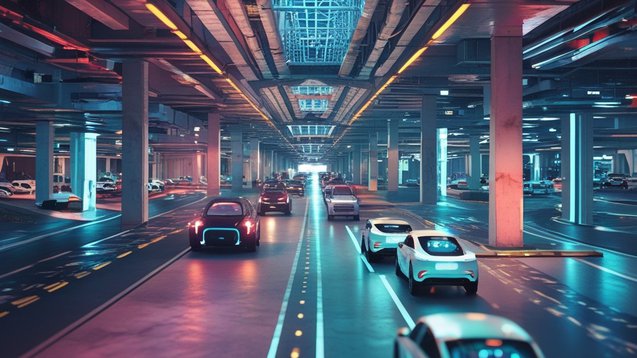
The idea of self-driving cars once belonged to science fiction, but today it is rapidly becoming a reality. Global automakers and technology companies are investing heavily in autonomous vehicles, and India is not far behind in preparing for this revolution. For cities like Pune where rising populations, IT growth, and urban congestion are reshaping real estate self-driving cars could bring both opportunities and challenges. One of the most significant changes expected is in parking spaces. With autonomous vehicles capable of self-parking, ride-sharing, and efficient fleet management, the way cities allocate and use parking areas will transform drastically. For Pune’s localities like Hinjewadi, Banner, Wakad, and Kharadi, where parking remains a daily headache, this technology may change the landscape of urban living and property development. Platforms such as Property Aaj will be key in guiding buyers and investors on how these shifts impact real estate values.
What Are Self-Driving Cars?
Self-driving cars, also known as autonomous vehicles, use artificial intelligence, sensors, cameras, and advanced algorithms to navigate roads without human drivers. Depending on the level of automation, these vehicles can handle everything from lane keeping to full door-to-door navigation. In a city like Pune, where traffic jams, limited parking, and road safety issues are common, self-driving technology offers a promising solution. But beyond mobility, the impact on parking infrastructure and real estate could be even more revolutionary.
The Parking Problem in Pune
Parking is one of Pune’s most pressing urban issues. In areas like Kothrud, Aundh, and Camp, narrow streets and growing populations have made vehicle parking difficult. High-rise societies in Banner, Wakad, and Viman Nagar often dedicate multiple basement levels to parking, reducing usable space for residents. The growing number of vehicles, coupled with limited land, means parking areas take up valuable real estate. Self-driving cars have the potential to free up this space for more productive uses such as housing, parks, or community facilities.
How Self-Driving Cars Will Change Parking Spaces
Reduced Need for Individual Parking
With autonomous ride-sharing, fewer people may own personal cars. Instead, they will book self-driving cabs that drop them off and move on, eliminating the need for dedicated parking in housing complexes.Efficient Use of Parking Lots
Self-driving cars can park themselves in tighter spaces without human access requirements. This means more cars can fit into smaller lots, especially in localities like Hinjewadi and Wakad, where large IT crowds create parking pressure.Decline of Street Parking
Areas like Camp and Koregoan Park struggle with congested roads due to on-street parking. With self-driving fleets continuously moving or parking in optimized locations, streets will become less cluttered and safer.Repurposing of Parking Spaces
Large parking areas in malls, IT parks, and residential complexes could be repurposed into gyms, gardens, offices, or rental housing once the demand for vehicle storage decreases.Smarter Urban Planning
Self-driving cars, integrated with smart city technologies, will allow Pune’s planners to reduce mandatory parking requirements in new developments. This can lower construction costs and free up space for more community-centric amenities.
Impact on Pune’s Key Localities
Hinjewadi
As Pune’s largest IT hub, Hinjewadi faces severe parking shortages. Autonomous shuttle fleets could drastically reduce the need for vast parking lots, freeing up space for commercial and residential expansion.
Banner
Banner's rapid urbanization has increased vehicle ownership. With self-driving cars, residential projects here could cut down on multi-level parking structures, making homes more affordable.
Wakad
Popular among young professionals, Wakaw's apartment complexes dedicate significant land to parking. In a self-driving future, these spaces could be converted into recreational zones.
Kharadi
With global IT companies and a constant inflow of professionals, Kharadi could see co-living spaces rise as parking demands drop, thanks to shared autonomous mobility.
Kothrud
One of Pune’s oldest residential areas, Kothrud struggles with street parking. Self-driving cars could bring major relief by reducing congestion and reclaiming road space.
Viman Nagar
Close to the airport and major commercial hubs, Viman Nagar has high traffic volumes. Autonomous drop-and-go systems could reduce airport-area parking pressure.
Koregoan Park
Known for premium real estate, Koregoan Park could see luxury projects redesign parking basements into wellness zones or smart lounges as car ownership decreases.
Hadassah & Magarpatta City
Magarpatta’s planned layout makes it ideal for integrating autonomous fleets, cutting down on the need for resident-owned vehicles and freeing space for urban farming or co-working hubs.
Aundh
As a busy residential and retail hub, Amund's parking woes are legendary. AI-driven autonomous fleets could declutter its streets and improve pedestrian life.
Pimpri-Chinchwad
Industrial workers often rely on personal vehicles. With autonomous buses and shared cars, Pimpri-Chinchwad could repurpose large parking lots into affordable housing units.
Bavdhan
Focused on green and sustainable projects, Bavdhan can benefit from fewer parking structures, replacing them with eco-parks or vertical gardens.
Pimple Saudagar
With a growing middle-class population, Pimple Saudagar will benefit from reduced reliance on personal vehicles, lowering housing costs tied to expensive parking infrastructure.
Yeravda
Located near corporate hubs, Yeravda could adapt by using self-driving fleets to serve employees, easing parking crunches around office complexes.
Camp (Cantonment Area)
Camp’s heritage zones suffer from traffic congestion due to parked vehicles. Self-driving cars could clear these areas, improving tourism and liveability.
Benefits for Real Estate in Pune
Lower Construction Costs: Developers won’t need to build large basements or multi-level parking structures, reducing home prices.
More Usable Land: Freed-up land can be used for parks, gardens, or community spaces.
Higher Property Value: Localities with less congestion and better amenities will attract higher demand.
Eco-Friendly Living: Reduced parking needs align with Pune’s push for sustainability.
Smarter Designs: Future housing in Banner, Wakad, and Hinjewadi can focus on lifestyle rather than parking allotments.
Challenges Ahead
Adoption Timeframe: Self-driving cars in India may take years to become mainstream due to regulatory and technological hurdles.
Cultural Preferences: Many Indian families see car ownership as a status symbol and may be slow to shift to shared mobility.
Safety Concerns: Trust in autonomous vehicles must be built gradually.
Infrastructure Readiness: Roads, signals, and digital systems need upgrades for smooth functioning of self-driving fleets.
Platforms like Property Aaj can bridge the gap by helping buyers understand how these changes will affect property choices in the coming years.
The Future of Parking in Pune’s Real Estate
In the next 10–15 years, as self-driving technology becomes more accessible, Pune’s skyline may look very different. Localities like Hinjewadi and Kharadi could see residential towers with community centers instead of parking basements. Older areas like Kothrud and Camp could reclaim streets currently used for parked cars. And premium zones like Koregoan Park may redefine luxury by offering car-free green spaces. This transformation will not only reshape how we move but also how we live, making Pune a model for urban innovation in India.
Conclusion
Self-driving cars will not just change how people travel they will transform the way cities like Pune are designed. Parking spaces, once seen as essential, may become optional or even redundant in many housing projects. Freed-up land can improve quality of life, reduce property costs, and add value to communities. For buyers and investors, this shift presents new opportunities. Staying informed through trusted platforms like Property Aaj will be key to making smart real estate decisions in this evolving landscape.
FAQs
1. How will self-driving cars reduce the need for parking?
Autonomous cars can drop passengers and move to centralized parking or continue serving others, reducing the need for personal parking spaces.
2.Which Pune areas will benefit most from reduced parking needs?
Localities like Hinjewadi, Banner, Wakad, Kharadi, and Camp will benefit due to high current parking demand.
3. Will housing costs in Pune drop due to less parking space?
Yes, reduced need for costly basements and parking structures can lower construction costs, making housing more affordable.
4. What will happen to existing parking lots in Pune?
They can be repurposed into community centers, gyms, gardens, or rental housing.
5. When will Pune see self-driving cars become common?
Mass adoption may take 10–15 years, depending on government regulations and technology upgrades.
6. Will car ownership decline in Pune?
Over time, yes. As self-driving ride-sharing becomes popular, fewer people may feel the need to own a personal vehicle.
Read more about property matters with our specialists and browse the latest property listings on Property Aaj. Download the app from the Play Store and App Store now for easy buying, selling, and renting!