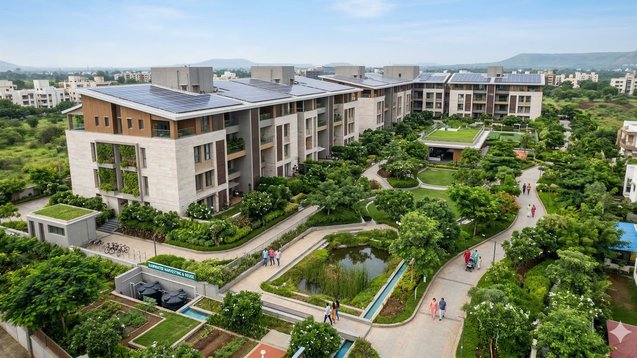
Hook-Based Introduction
Homeownership today is no longer just about comfort and investment returns. Homeownership now includes the aspect of responsible ownership. As environmental concerns grow and cities become more crowded, buyers are increasingly asking an important question: Does this property support sustainable living? A sustainable home decreases its environmental footprint while it generates lower energy expenses and creates improved health conditions for its occupants. The practice of energy conservation and tree planting represents only a fraction of our actual environmental efforts. The practice of energy conservation and tree planting represents only a fraction of our actual environmental efforts. The practice of energy conservation and tree planting represents only a fraction of our actual environmental efforts. The practice of energy conservation and tree planting represents only a fraction of our actual environmental efforts. The practice of energy conservation and tree planting represents only a fraction of our actual environmental efforts. The process of choosing a property which enables sustainable living creates both a lifestyle option and an effective investment method. We will examine all aspects of property evaluation for this specific type of real estate.
Energy efficiency as a foundation of sustainability
Energy efficiency stands out as one of the most useful elements which enable people to practice sustainable living. Buildings that architects design to achieve optimal orientation and cross-ventilation and natural daylighting, need less energy for their cooling and lighting systems. Daytime electricity consumption declines because the windows of the apartments face the daylight while their large windows bring in natural light. Airflow systems provide enough cooling capacity to decrease air-conditioning requirements. The combination of insulated roofs with high-quality building materials enables buildings to sustain their internal temperature equilibrium. Current-day projects include LED lights for shared spaces together with systems that detect motion and elevators which conserve energy. These elements decrease municipal electricity expenses, which in turn results in reduced upkeep costs that residents must pay. The energy-saving potential of design choices extends from small elements, which include shaded balconies and double-glazed windows, to achieve substantial energy conservation throughout their operational lifespan. The financial benefits have increased each year, which results in continuous protection for household expenses.
Water conservation and management systems
Water scarcity has become a critical problem that affects numerous urban regions. Sustainable living requires properties to implement trustworthy water management systems that demonstrate proper stewardship of water resources. The project must include an assessment of its rainwater harvesting and groundwater recharge systems and its plumbing design efficiency. Rainwater harvesting helps reduce dependence on municipal or tanker water supply. The system maintains constant supply through its efficient storage and recycling processes which operate even during times of resource deficiency. Properties that rely heavily on tanker water may appear affordable initially but can become expensive and environmentally harmful over time. Sustainable water planning establishes permanent protection for resources while maintaining expenses at manageable levels.
Waste management and recycling infrastructure
Sustainable communities implement organized systems for waste segregation and waste disposal. The use of separate bins for biodegradable and non-biodegradable waste together with composting systems and planned garbage collection systems decreases environmental damage. The community experiences health and hygiene difficulties because improper waste management practices create environmental destruction. Waste management systems which operate effectively on a property create cleaner environments and support better public health. The evaluation process for projects requires assessment of whether the community supports recycling programs and composting facilities. The organization of waste management operations demonstrates that the organization has developed its waste management system through comprehensive strategic methods. The existence of green spaces in urban areas helps to achieve ecological harmony through sustainable power generation. Sustainable living depends on people having access to green spaces. The presence of trees and parks and landscaped gardens surrounding properties creates an environment which improves air quality while decreasing urban heat.
Green spaces and ecological balance
Green spaces function as natural systems which absorb carbon dioxide and maintain temperature stability while providing natural drainage solutions during heavy rainfall events. The spaces provide peaceful outdoor areas which promote psychological wellness for their visitors. The environmental balance stays intact when projects maintain their natural topography instead of using all available land for construction. The assessment of a property requires an examination of its open space allocation compared to the area used for building development.
Sustainable building materials and design
The selection of construction materials determines both the strength of structures and their impact on the environment. The use of high-quality and long-lasting materials in projects leads to a decrease in repair and replacement needs. Indoor air pollution and maintenance requirements decrease through the use of eco-friendly paints and low-VOC materials and durable flooring. Sustainable construction methods create environmental protection while improving health outcomes inside buildings. Natural airflow and sunlight design in buildings enable better energy efficiency which results in lower carbon emissions.
Public transport connectivity and reduced carbon footprint
Public transport systems provide better access to areas which results in decreased greenhouse gas emissions. Sustainable living extends beyond the apartment walls. The choice of location becomes the primary factor for property valuation. The properties which are situated close to metro stations and bus routes and commercial centers enable residents to decrease their use of private vehicles. People who need to travel shorter distances will use less fuel and spend less money on transportation. Eco-friendly living becomes easier to achieve in neighborhoods that offer walking paths to markets and schools and healthcare centers. The choice of a well-connected area will lead to a lifestyle that automatically decreases carbon emissions.
Solar energy and renewable systems
Contemporary systems use solar panels to provide illumination for shared spaces and to power their water heating functions. The systems increase initial costs but they provide substantial savings through reduced electricity expenses over time. The solar-powered common areas reduce maintenance expenses while supporting the use of renewable energy. The sustainability of renewable systems increases with time because their operational costs decrease. You must check the operational state and upkeep of these features because organizations use them to attract customers. Sustainable financial operations require development of financial systems which last over extended periods.
Long-term financial sustainability
Financially sustainable homes drive sustainable operations which help them to maintain their eco-friendly status. The combination of energy-efficient systems and water management solutions and long-lasting materials results in decreased monthly utility expenses and reduced long-term repair costs. Eco-friendly properties from supporting sustainable living standards better maintain their resale value because buyers today prefer properties with green building features. The demand for sustainable properties will rise as environmental awareness among people continues to grow. The practice of sustainability enables people to live ethically while creating better chances for ongoing financial growth.
Health and well-being benefits
The way people breathe, their mental health, and their physical well-being depend on indoor air quality and natural ventilation and their access to green spaces. The combination of poor ventilation systems with high artificial cooling requirements leads to respiratory problems. Sustainable homes create fresh air movement through their design while using eco-friendly materials to protect people from chemical hazards. The combination of clean air and improved lighting and environmentally balanced architectural design creates an atmosphere that supports healthier daily activities.
Avoiding overdevelopment and environmental risk
Property selection requires assessment of more than just building structure and total area. The environmental impact will determine your family’s health outcomes for the next 30 years. Environmental protection requires development limitations which also preserve natural resources. Future regulatory problems and structural dangers will affect constructions located in protected environmental areas which include wetlands and flood zones. Property selection which occurs in secure stable areas with existing legal recognition provides permanent protection. Sustainable living requires people to protect the environment while they avoid developing areas that present dangerous risks. Environmental regulations safeguard your financial assets while they maintain safety standards for your neighborhood.
Conclusion
To select properties which enable sustainable living assessment should be done for energy efficiency and water management and waste systems and green spaces and location connectivity. Sustainability is not a trend; it is a long-term necessity. A sustainable home produces less environmental harm while decreasing ongoing costs and enhancing resident health and increasing property worth. Sustainable housing choices lead to environmental benefits which extend beyond individual resident comfort. People start their journey toward sustainable living through their property selection process. Long-term thinking enables you to safeguard both your money and the environment.
FAQs
1. What elements determine whether a property achieves sustainable status?
The property achieves sustainable status through its energy-efficient design and water-saving systems and its waste disposal methods and its green areas and its use of environmentally friendly building materials.
2. Do sustainable homes cost more?
The initial expenses show a small increase yet the resulting savings from energy use and building upkeep for the long term balance out the increased costs.
3. How does location affect sustainable living?
The existence of efficient transportation systems in an area enables people to travel without using vehicles which leads to decreased carbon emissions.
4. Is rainwater harvesting important?
Yes. The system helps decrease water needs from outside sources while establishing permanent water supply protection.
5. Can sustainable homes improve resale value?
Yes. The growing public knowledge about environmental issues will lead to increased customer interest in properties that have sustainable features.
6. Are solar panels necessary for sustainability?
Renewable energy systems provide essential benefits that enhance energy efficiency while minimizing expenses over extended periods which makes them valuable but not compulsory for sustainable practice.
Read more about property matters with our specialists and browse the latest property listings on Property Aaj. Download the app from the Play Store and App Store now for easy buying, selling, and renting!