Introduction: Why Maintenance Costs Matter More Than You Think
Homebuyers typically evaluate three main factors when making their purchasing decision which includes the home price and the loan EMI and the property location. Homeowners face ongoing maintenance expenses which silently decrease their financial resources for an entire homeownership period. Homeowners must pay higher costs because their property requires various maintenance activities that create monthly expenses which compound over time. Homeowners discover after they move into their new home that their monthly payment for security services and landscaping and elevator and water management and building amenities will cost them extra housing fees. The maintenance expenses in India show significant differences which depend on property type and property location and property amenities and property management system. Gated communities in Tier 1 cities like Mumbai and Bengaluru and Delhi require residents to pay higher maintenance costs because they provide more extensive services. Properties in Tier 2 and Tier 3 cities require residents to pay lower maintenance fees yet these properties generally provide fewer available services. Homebuyers can find a home that requires little upkeep while still providing them with a comfortable living space. The process requires people to study building design and infrastructure systems and community management practices to find their actual expenses for upcoming years. The Property Aaj platform (https://www.propertyaaj.com) allows users to compare residential projects based on their property values and future ownership expenses. Homeowners can maintain their property value through a financial assessment which enables them to evaluate maintenance costs before they make their purchasing decision.
Understanding What Maintenance Charges Actually Include
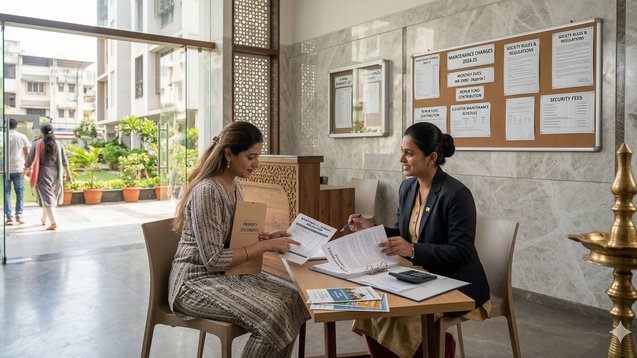
The housing society or management company collects maintenance fees to fund shared expenses that occur within residential buildings and community areas. The expenses cover various costs which include security staff wages and cleaning services and elevator upkeep and landscaping work and lighting maintenance for shared spaces and water system operations. The expenses for larger residential developments include costs that cover the establishment of clubhouses and swimming pools and gyms and power backup systems. The expenses for these services become substantial in Tier 1 cities which feature both high-rise buildings and luxury amenities. A premium gated community with multiple towers and facilities may charge higher maintenance fees compared to smaller residential buildings. The maintenance expenses for smaller apartment complexes and standalone buildings are lower than those of larger properties because they have fewer common areas for residents to share. The buyer needs to understand what services maintenance fees cover because this information helps them assess whether the fees represent a fair and sustainable cost.
Choosing Simpler Building Designs
The design of a building directly affects maintenance expenses. The operational costs for high-rise buildings increase because they contain multiple elevators and centralized air conditioning systems and complex mechanical systems. The ongoing expenses include costs for elevator servicing and generator maintenance and mechanical repairs. The infrastructure of mid-rise and low-rise buildings requires less complex systems than their counterparts. The maintenance expenses decrease because the building contains fewer elevators and mechanical systems. Buyers who want affordable properties should consider homes with basic designs because these properties will decrease their monthly costs. Buyers should assess building structure and height and infrastructure complexity when they compare residential projects on Property Aaj (https://www.propertyaaj.com).
Evaluating Amenities Carefully
The implementation of amenities brings two effects because they enhance life quality while simultaneously raising upkeep expenses. The operation of swimming pools and gyms and clubhouses and sports courts and landscaped gardens requires constant upkeep which includes cleaning and electricity usage and staff oversight and equipment maintenance. Buyers should inquire about their intended usage frequency because property visits only display attractive amenities. A young professional who travels often may only use a clubhouse or sports facility when needed but he must pay for maintenance through his maintenance charges. The majority of people living in Tier 1 cities which have lifestyle communities will experience higher monthly costs when they choose amenity-dense projects. The selection of essential property amenities instead of unnecessary property luxuries results in lower expenses throughout the entire ownership period.
Energy-Efficient Buildings Reduce Operating Costs
Buildings that use less energy require less costly upkeep work. The design of properties which use natural airflow and energy-saving lights and water-efficient systems enables substantial savings on electricity and water expenses needed for shared spaces. The building can achieve lower utility costs through the implementation of solar-powered lighting and rainwater harvesting systems and water-efficient pumps. Indian developers of contemporary residential projects have begun to implement sustainable building technologies which help them decrease their operational expenses. The maintenance costs decrease because of these features and the system also helps to protect the environment. Buyers who use Property Aaj (https://www.propertyaaj.com) to search for residential properties should select projects which feature energy-saving building elements.
Importance of Efficient Society Management
The combination of poor management practices and a well-planned property design leads to excessive operational expenses for the property. The combination of poor financial planning and unnecessary system upgrades together with insufficient expense management leads to substantial increases in maintenance costs. Homebuyers need to investigate how housing organizations and property developers handle their administrative operations before making their purchasing decisions. The process of speaking with current residents and examining maintenance records together with learning about the society's budgeting methods allows for the acquisition of valuable information. The combination of transparent financial management and well-organized resident associations enables buildings to achieve reduced and consistent maintenance expenses. The operational efficiency of management systems guarantees appropriate fund usage while preserving property standards.
Checking Age of the Building
The maintenance costs of older buildings increase because they need more repairs and upgrades. The building's plumbing systems and electrical wiring and elevators and structural components require replacement after extended use. New buildings tend to have lower repair needs during their initial active period compared to existing structures. Construction quality needs to be assessed by buyers together with their other considerations. The newly constructed building will need continuous repairs because of its poor construction quality. Buyers who evaluate properties on Property Aaj (https://www.propertyaaj.com) should assess both the building's age and the developer's reputation. Long-term maintenance costs decrease because high-quality construction materials maintain their durability throughout time.
Parking Infrastructure and Shared Utilities
The combination of parking arrangements and shared utility systems brings direct impacts on maintenance expenses. The design of underground parking spaces in large basements needs both lights and airflow solutions and cleaning staff for proper upkeep. The operation of multi-level parking facilities leads to higher energy costs and increased operational expenses. The maintenance needs of buildings with central water treatment systems and large water storage tanks and extensive landscaping areas require continuous upkeep. The infrastructure components need assessment before property buyers make their purchasing decisions. The use of such facilities brings operational advantages, but they also lead to increased business expenses. Homebuyers need to find a balance between accessible features and budget-friendly options.
Location and Local Infrastructure
The location of a business establishment affects its maintenance expenses because it serves as a secondary factor that determines equipment upkeep needs. In areas with reliable municipal water supply and electricity infrastructure, residential buildings may require fewer backup systems such as generators or borewells. The operational costs of developing areas increase because their properties depend on private systems together with water tankers and backup power solutions. Tier 1 cities offer superior municipal services to residents who live in established residential areas. The municipal services in Tier 2 cities and Tier 3 cities operate differently according to their specific neighborhood boundaries. The selection of a property in a location that offers strong public infrastructure services enables property owners to decrease their need for costly private infrastructure solutions.
Long-Term Cost Planning
Homeownership expenses include maintenance costs which should be regarded as complete expenses for homeownership. The property which costs more to buy but needs less maintenance work will result in lower total expenses throughout its ownership period. Buyers should calculate the estimated maintenance expenses over several years to understand the true cost of ownership. The financial planning tools together with the property comparison features on Property Aaj (https://www.propertyaaj.com) assist buyers in evaluating their initial buying expenses and their ongoing financial responsibilities. The process of making informed choices today will lead to future financial security while avoiding future financial difficulties.
Conclusion: Smart Buyers Look Beyond the Purchase Price
The process of selecting a home which requires minimal maintenance costs demands thorough investigation into building design elements combined with available amenities and existing infrastructure systems and current operational methods. The initial appeal of large residential complexes with their luxury features creates an illusion of attractiveness which then results in increased expenses that continue throughout their entire operational period. The residents who prioritize simple living together with their desire for infrastructure that operates efficiently and their need for responsible management practices will experience additional comfort through their housing expenses which remain below their monthly limit. The maintenance expenses for properties throughout India differ based on the city tier and property type and available community amenities. The understanding of these elements enables buyers to select choices which meet their personal lifestyle requirements and their financial objectives. The use of Property Aaj (https://www.propertyaaj.com) enables buyers to evaluate different residential choices while assessing their future ownership expenses which helps them identify homes that will stay within their budget while providing them with comfort for many years. The most intelligent property investment involves acquiring a property which you can afford today but requires you to spend money on maintenance throughout the next 20 years.
FAQs
1. What are typical maintenance charges in residential properties in India?
The maintenance charges for a property will differ based on its type and its location. The maintenance costs in Indian cities start from ₹2 and extend to ₹10 for each square foot of space on a monthly basis.
2. Do luxury amenities increase maintenance costs?
Yes. The presence of swimming pools and clubhouses and gyms and landscaped gardens requires ongoing cleaning work and electricity consumption and staff members to monitor operations which leads to higher maintenance expenses for the facility.
3. Are standalone buildings cheaper to maintain than gated communities?
The maintenance expenses for standalone buildings tend to be lower because these structures provide only limited communal areas. The result of this situation will provide users with fewer available features and different types of assistance.
4. How can buyers estimate maintenance costs before purchasing a home?
The developer and housing society need to provide maintenance charge details to buyers who should then assess the expenses through cost breakdowns while interviewing current residents to determine actual costs.
5. Does building height affect maintenance charges?
Yes. The operational expenses of high-rise buildings increase because they need multiple elevators and water pumps and power backup systems to operate their facilities.
6. Can energy-efficient buildings reduce maintenance costs?
Absolutely. The operational costs of shared facilities decrease because properties use solar lighting and rainwater harvesting and energy-efficient infrastructure.
Read more about property matters with our specialists and browse the latest property listings on Property Aaj. Download the app from the Play Store and App Store now for easy buying, selling, and renting!