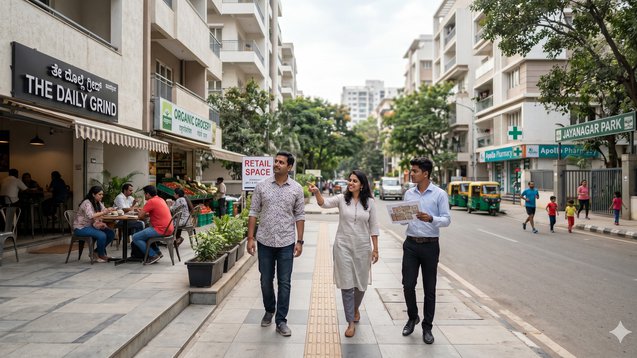
How Walkability Affects Your Property Decision
Introduction The Hidden Factor Buyers Often Realize Too Late
When people begin searching for a home in India they usually focus on the big questions first.
What is the property price?
How large is the apartment?
Is the builder reliable?
What is the expected appreciation in the area?
These factors constitute essential elements to consider. Yet there is another factor that quietly shapes everyday living but often gets overlooked during the buying process — walkability. Walkability means residents can reach essential places through walking distance from their homes. Essential places include grocery stores, parks, schools cafés , pharmacies and public transport stops which provide day-to-day services. People who live in highly walkable neighbourhoods can accomplish their daily activities without using cars as their primary mode of transportation. The significance of walkable neighbourhoods has become increasingly clear throughout multiple Indian cities. People are choosing to walk because traffic congestion has worsened and people spend more time commuting and they want to adopt healthier yet more practical methods of travel. As a result, properties located in walkable neighbourhoods are gaining stronger buyer interest. Across Tier-1 cities like Bengaluru and Mumbai, Tier-2 hubs such as Pune and Ahmedabad, and even developing Tier-3 towns, walkability is becoming a key factor influencing property decisions. The Property Aaj platform (https://www.propertyaaj.com) enables buyers to evaluate different neighbourhoods through two criteria which include their cost and their ability to access essential daily needs. Understanding how walkability affects property decisions can help buyers choose homes that are not only valuable investments but also genuinely comfortable places to live.
Understanding What Walkability Means in Real Estate
The term walkability in real estate describes how easily residents can reach essential services and facilities through walking. A walkable neighbourhood typically offers:
Grocery stores and pharmacies nearby
Parks and walking tracks
Schools and childcare facilities
Public transport stations
Restaurants and small commercial areas
Sidewalks or pedestrian-friendly roads
Residents living in highly walkable areas can reach all their necessary locations by walking short distances from their homes. This method of transportation enables people to accomplish their daily tasks without needing to travel by car or bicycle while it brings easier access to their daily activities. A family who lives in a neighbourhood with walking distance access to a supermarket park and school needs to handle their daily needs differently than a person who resides in a remote suburb where basic activities demand extensive driving. The benefits of walkability extend beyond bringing people closer to their destinations. The system impacts various aspects including health protection and public safety and social connection and real estate market value. The property buyers who visit homes on Property Aaj (https://www.propertyaaj.com) now assess the available amenities located close to their prospective homes because they want to find neighbourhoods that enable their walking needs.
How Walkability Improves Daily Life
People who live in walkable neighbourhoods experience daily life improvements which most people fail to recognize. You can walk to a café or grocery store or park after leaving your building because they all exist within a short distance from your location. Children can walk safely to school, and elderly family members can access medical stores or temples without needing transportation. The system offers users a better way to complete their everyday tasks. Cities with high traffic congestion problems such as Bengaluru and Mumbai develop a greater need for pedestrian-friendly services which enable residents to reach their destinations. Residents in walkable neighbourhoods often experience:
reduced travel stress
lower fuel expenses
more time for family or leisure
health benefits from regular walking
The situation also brings two different benefits to people. People who can walk around their neighbourhood often feel more connected to their community. People who live in walkable neighbourhoods enjoy better life choices which make them more attractive to home buyers.
Walkability and Property Value
The property value of a residence depends on two factors which include its walkability and its ability to increase resale value. The convenience of daily amenities drives higher demand for properties which buyers prefer to access their essential needs. The market price of properties increases when they are located near markets and metro stations and schools and parks. For example:
The demand for apartments in Delhi NCR increases when they are located near metro corridors.
The proximity of residential projects to IT parks and retail hubs in Bengaluru attracts professionals to these developments.
Properties in Pune and Jaipur near university districts experience high rental demand from tenants.
The increased demand for properties leads to greater property value growth during the subsequent years. Investors who research neighbourhoods on Property Aaj website (https://www.propertyaaj.com) use their walkable indicators to evaluate how nearby infrastructure and amenities affect property values in each neighbourhood. Future buyers and tenants will find a home attractive when its residents can reach essential services with ease.
Walkability functions as an essential factor that determines rental market performance.
Tenants typically prefer locations which provide them with short travel time to work while they can reach their essential services. This pattern occurs mainly among young professionals and students. The technology worker in Hyderabad operates through their work responsibilities. The location becomes more attractive when office workers can reach their workplace by walking or using local public transportation. Students in Pune and Manipal choose to rent houses which they can reach by walking to their educational institutions and shopping areas. Properties located in these areas achieve the following outcomes:
Properties experience higher rental occupancy rates
Tenants move out of properties at increased rates
Properties generate more stable rental income streams
Investors who choose to invest in walkable areas see their rental properties experience better tenant demand than those who own properties in remote locations which lack essential services.
Walkability Trends in Tier-1 Cities
The growing need for walkable environments emerged in Tier-1 cities because of their traffic congestion problems and urban development patterns. Residents in Mumbai and Bengaluru and Delhi and Chennai use walking as their primary mode of transportation because their neighbourhoods contain essential facilities within walking distance. The following developments show different types of urban development:
Mixed-use developments which integrate residential and commercial spaces
Neighbourhoods which exist adjacent to metro stations and transit hubs
Areas which contain established markets and streets designed for pedestrian use
The majority of urban areas lack sufficient walkable paths for residents. People in suburban regions need to operate their vehicles over extensive distances to complete their essential shopping activities. The existing property market in Tier-1 cities has reached high price levels which leads buyers to exercise greater caution when making purchases. Many homebuyers decide to pay higher costs for properties that exist in neighbourhoods which they can easily walk to and which have good transportation access. The changes in buyer preferences lead to new urban development patterns which now exist throughout India's major metropolitan areas.
Walkability in Tier-2 Cities
The cities of Pune and Ahmedabad and Jaipur and Kochi their urban areas experience fast-paced development. The cities developed walkable neighbourhood systems that contained all necessary local facilities which included markets and public spaces. The implementation of car-cantered street designs occurred because of new urban growth and the establishment of residential areas. Tier-2 cities now use contemporary residential developments to create walkable environments through their designed township communities. The projects need to construct:
Internal walking paths
Retail spaces within the township
Parks and recreational areas
Nearby schools and clinics
The Buyers who want to achieve a balanced lifestyle use Property Aaj (https://www.propertyaaj.com) to search for properties that allow them to meet their daily requirements without having to travel long distances.
Residents of small towns and
Tier-3 cities experience walkable streets as an essential element of their daily routines.
The design of traditional cities enables residents to reach local markets and temples and schools and small businesses through walking from their homes. The development of new residential areas and gated communities in these cities requires urban planners to find solutions for street accessibility. Developers who create walkable project designs attract more buyers because people prefer convenient access to their homes. Indore Surat and Bhubaneswar which are expanding cities have become popular for their neighbourhoods that provide modern homes and convenient access to essential services.
Health and Lifestyle Benefits of Walkable Neighbourhoods
Homebuyers now recognize that walkable residential areas deliver significant health advantages for their inhabitants. Walking on a regular basis brings several health benefits which include:
Better heart function
Decreased anxiety
Enhanced physical capabilities
Superior cognitive health
When neighbourhoods provide parks, walking tracks, and pedestrian-friendly streets, residents are more likely to incorporate physical activity into their daily routine. The elderly population and families with children can enjoy substantial improvements in their quality of life. Walkable neighbourhoods create opportunities for people to interact with each other. The community spaces of parks and markets provide people with opportunities to meet their neighbours which helps them develop a stronger sense of belonging.
How Buyers Can Evaluate Walkability Before Buying
The process of evaluating walkability needs more than the project brochure examination. The buyers must conduct an area visit to assess multiple elements which include
Distance to grocery stores and pharmacies and markets
The existence of sidewalks together with pedestrian pathways
The distance to educational institutions and public transportation facilities
The assessment of safety together with the analysis of traffic patterns
The public areas of the neighbourhood provide essential information through their observation at various times throughout the day. Online property platforms such as Property Aaj (https://www.propertyaaj.com) enable buyers to examine nearby facilities while they assess how accessible different neighbourhoods are before making their final choice. The assessment of walkability needs dedicated time because it will help people avoid problems in the future.
Conclusion: Walkability Is an Investment in Daily Comfort
When buyers examine property they focus primarily on financial aspects which include pricing and loan eligibility and resale value. The two factors which people consider essential for neighbourhood evaluation must match their daily life experience in that location. The degree of walkability in an area determines how easily people can access their daily activities which affects their health and overall life quality and their property value. A walkable neighbourhood provides residents of an apartment building with practical advantages that extend beyond their living space. The local residents experience better daily service access and lower commuting challenges while developing stronger community relationships. India's real estate markets now see rising demand for walkable neighbourhoods which exist in both major metropolitan areas and developing urban regions. Property platforms like Property Aaj (https://www.propertyaaj.com) allow buyers to explore neighbourhoods carefully and identify locations where walkability enhances both lifestyle and investment value. The property which enables residents to walk anywhere becomes their permanent residence.
FAQs
1. What does walkability mean in real estate?
Walkability measures the ability of residents to reach essential services which include grocery stores and schools and parks and public transport by walking from their home. The design of highly walkable neighbourhoods enables people to travel without cars while experiencing better accessibility to their destinations.
2. Why are walkable neighbourhoods becoming popular in Indian cities?
The growing problem of traffic congestion together with extended travel times has raised the value of convenience for people. Residents of walkable neighbourhoods can accomplish their daily activities faster while enjoying better quality of life.
3. Does walkability affect property prices?
Yes. Properties located near essential amenities, public transport, and commercial areas show higher market value because buyers consider accessibility and convenience to be important.
4. Are walkable neighbourhoods better for rental investment?
Generally yes. Tenants show a higher preference for residential areas that provide easy access to their jobs and educational institutions and public transportation systems. The result of this pattern leads to increased rental interest and decreased periods when properties remain unoccupied.
5. How can buyers check if a neighbourhood is walkable?
The buyers need to go to the location and walk through the area to examine all available amenities which they need to assess through their walking distance to sidewalks and markets and schools and transport options.
6. Is walkability important in smaller cities as well?
Absolutely. Properties in Tier-2 and Tier-3 cities experience higher demand because their residential areas provide access to nearby markets and parks and essential services.