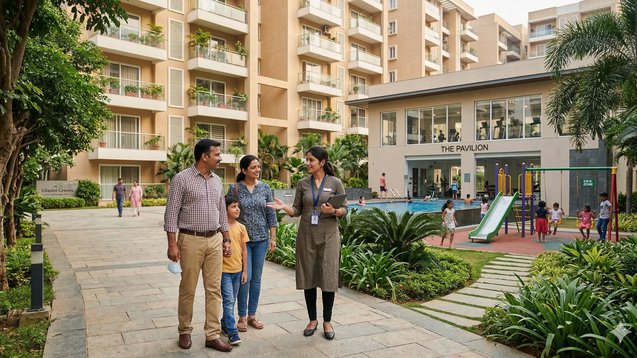
How Amenities Should Influence Your Property Choice
Introduction
A decade ago, most Indian homebuyers focused on three things: location, price, and size. Homebuyers viewed amenities as extra features which they could choose to accept or reject. The current situation exists in a completely different state from its earlier form. Homebuyers now consider amenities as essential needs which include swimming pools and co-working lounges and jogging tracks and smart security systems. The honest truth states that not all amenities provide actual benefits to customers. Many buyers in Tier 1 cities get dazzled by glossy brochures. Tier 2 markets see families who spend excessive money on services they hardly utilize. The developers in Tier 3 towns are currently determining which amenities buyers consider most important. The outcome leads to confusion and unnecessary expenses which result in buyer dissatisfaction. Visitors to Property Aja (https://www.propertyaaj.com) can observe that new projects feature multiple lifestyle elements in their advertising materials. The smarter question to ask is: Which amenities actually improve my living experience and investment returns? This practical India-wide guide explains how you should choose your property according to available amenities while avoiding marketing deception.
The Real Role of Amenities in Modern Indian Housing
The current functions of amenities extend to three main areas which include providing convenience and improving lifestyles and creating market value. The construction of new projects in Tier 1 cities requires developers to include essential amenities that buyers demand. Buyers expect at least basic features such as security systems, landscaped areas, and fitness facilities. Projects without them often struggle in resale markets. The importance of amenities in Tier 2 cities such as Indore and Lucknow and Kochi remains secondary to the value of location and carpet area. The changes begin to happen in Tier 3 towns. Many buyers still prioritize plot size or independent homes over clubhouse facilities. Across India one trend remains consistent because amenities create buyer perception even when people do not use them. Property Aja lists a project at https://www.propertyaaj.com which contains a modern clubhouse and gated security. The project attracts more inquiries than a standalone building which has the same price and exists in the same area. The amenities built in a residential area create resident benefits. The amenities built in a residential area create resident benefits.
Essential vs Lifestyle Amenities: Know the Difference
The common mistake which buyers make happens when they assume all amenities have the same value. The truth shows that amenities divide into two different groups. Essential amenities include:
24/7 security
Power backup
Adequate parking
Reliable water supply
Lifts and fire safety systems
The systems create direct effects which determine both daily comfort levels and property market worth. The following elements exist as lifestyle amenities:
Swimming pools
Mini theatres
Co-working spaces
Sky lounges
Squash courts
Pet parks
These features improve the way people live yet they do not serve as essential requirements for all users. Most mid-to-premium projects in Tier 1 metros present both essential and lifestyle amenities according to industry standards. Tier 2 cities see developers selecting essential elements which provide practical value. In Tier 3 towns, essentials still dominate buyer priorities. You need to separate your essential requirements from your optional preferences before you begin shortlisting properties through Property Aaj, which you can access at https://www.propertyaaj.com. The simple action, which people need to take, stops them from spending money due to emotional reasons.
How Amenities Impact Property Pricing
The property price includes all amenities because they require actual costs to provide. In Tier 1 cities, projects with extensive lifestyle facilities can command a 8–20% premium compared to basic developments in the same micro-market. The premium only operates as a value proposition when both the location and construction quality stand at their highest level.
In Tier 2 cities, the price gap between different property types maintains a range of 5 to 12 percent. Buyers here are more price-sensitive and evaluate utility more carefully. Excessive amenities in Tier 3 towns can create negative outcomes for their communities. Higher initial pricing may result in limited resale demand because the local market does not recognize value for these items. Here’s a practical scenario: A buyer in Pune compares two similar 2BHK apartments. One is in a mega township with 25 amenities priced ₹6 lakh higher. The other is in a simpler gated complex. The extra investment for facilities will not bring back proportional returns for the buyer who seldom uses them. People need to ask themselves whether they spend money for amenities that they will realistically use.
Maintenance Costs: The Hidden Long-Term Factor
Most buyers do not expect this outcome which occurs after they obtain the property.
The extensive amenities of the projects result in higher monthly maintenance costs because they require:
Pool maintenance
Clubhouse employee expenses
Fitness centre equipment maintenance
Outdoor space upkeep
Protection personnel expenses
Tier 1 cities maintain a maintenance expense range between ₹4 and ₹9 for every square foot of their projects that contain multiple amenities. The standard maintenance expense in Tier 2 cities ranges between ₹2 and ₹5. Tier 3 towns maintain lower costs but their expenses continue to increase. The monthly expenses of end-users receive direct impact from this situation. The situation affects investors through its effect on their rental income. The website Property Aja (https://www.propertyaaj.com) requires users to verify both estimated maintenance costs and purchase price details. Your actual ownership expenses will increase throughout your ten-year period because of excessive maintenance costs. Amenities should provide life improvements which do not require users to spend their money.
Rental Demand: What Tenants Actually Care About
Tenant preferences often differ from buyer assumptions. The security system and reliable power backup system and gym facility and parking space and work-from-home areas all receive high ratings from young professionals and corporate tenants. Theatrical mini theatres and rooftop lounges stay as major rental features which do not impact rental choices for most tenants. The following list describes the family requirements which family tenants in Tier 2 cities consider to be important. The need for children’s play areas and basic clubhouse facilities and lift systems which must operate correctly and parking spaces serve as family tenant needs in Tier 2 cities. The main factors which determine rental demand in Tier 3 towns include location and unit size. Amenities are a secondary factor. The research of tenant behaviour should become your focus because you want to achieve investment goals. The practice of showing practical amenities on Property Aja (https://www.propertyaaj.com) leads to faster rental conversions than displaying excessive luxury elements which customers seldom use. The rental market prefers practical utility over attractive design elements.
Buyer Psychology Across City Tiers
Home buyers use amenities to assess their psychological state.
Tier 1 city buyers perceive premium lifestyle and brand value when they see extensive amenity lists at properties. Developers know this and design projects accordingly.
Tier 2 city buyers now display improved understanding. They value amenities but they make more logical decisions about their worth compared to costs.
Apartment buyers in Tier 3 towns tend to choose their first homes based on visible building features such as clubhouses and entrance lobbies which they will not use frequently. A subtle shift is happening across India: informed buyers are moving from “amenity count” to “amenity quality and usability. "This market evolution shows positive progress.
Legal and RERA Considerations
The regulations under RERA require developers to provide complete information about the amenities that they plan to deliver. Buyers should verify two things for which they need to check: The first phase of the project includes all amenities which belong to subsequent construction phases. The building system allows residents to move between different towers. The actual maintenance costs match their estimated value. The actual existence of the clubhouse building remains unconfirmed because it exists only in future plans The process of providing amenities to large Tier 1 townships occurs through multiple delivery phases. The RERA documents require buyers to study them. The level of amenities does not affect home loan approvals because this rule applies to all types of home loans although larger home loans result in different eligibility results. The total property value determines how much stamp duty will be charged but the assessment of amenities does not affect duty calculations. The legal system requires more certainty than what advertising materials offer.
Future Trends: What Amenities Will Matter Next
The upcoming future will bring certain amenities which now exist as non-essential amenities to their most important status throughout India. The following amenities have achieved essential status for upcoming developments through their implementation as essential components of modern facilities:
Co-working and business lounges
EV charging points
Smart access security
Larger green spaces
Multi-purpose community halls
High-speed internet infrastructure
Post-pandemic living has reshaped priorities. The increasing demand for flexible workspaces within Tier 1 cities shows that buyers from those cities value this feature. Tier 2 cities are catching up quickly. The combination of excessive decorative features and their limited usage has resulted in declining popularity. People who want to make home purchases that will last between 10 to 15 years should concentrate on future infrastructure needs instead of present marketing trends.
How to Evaluate Amenities Like a Smart Buyer
You should conduct a reality check before making your final decision about the property. The best time to assess the location is during its busiest operational periods. Residents from established communities provide information about their actual facility usage. The master plan requires your complete study.
You should ask yourself this question.
My family will require these amenities on a weekly basis.
The costs of maintenance work according to industry standards.
The amenity serves its intended purpose for residents who match its criteria.
The open space needs to provide adequate space for each resident.
The essential elements maintain their effectiveness while the luxury components function at an average level. You should use Property Aja which you can access through this link httpswww.propertyaaj.com to compare two or three projects when you filter your property choices. The most effective option does not include all available amenities but instead selects essential services which provide optimal value. Smart buyers focus on value density, not amenity density.
Conclusion
The Indian property selection process now considers amenities as vital criteria for property evaluation. The actual worth of these amenities depends on their functional value according to their specific requirements. The presence of a complete amenity package increases rental demand and resale value for properties located in Tier 1 cities. The standard amenities in Tier 2 markets provide users with essential comforts while maintaining their budget. The residents of Tier 3 towns continue to prioritize essential services above all other nonessential features. Today's most intelligent homebuyers search for houses that offer more than their largest clubhouse. They consider how the system works, how it needs repairs, how much time people will use it, and how it matches their daily routines. When browsing homes on Property Aja (https://www.propertyaaj.com), pause for a moment before getting impressed by glossy brochures. Ask the simple but powerful question: Will these amenities genuinely improve my everyday life — or just look good on paper? The basic understanding of the situation enables you to save lakhs while avoiding future regret which would last several years.
FAQs
1. Do more amenities always mean a better property?
The answer is no because an extensive list of amenities appears appealing but actual value comes from assessing their functional performance and upkeep expenses. The facilities which residents use in their daily activities create permanent value for the community.
2. Which amenities are most important for Indian homebuyers?
Homebuyers deem security features power backup systems, parking facilities, water supply systems and elevators as vital components of their homes. Homebuyers consider gyms and clubhouses as important amenities which depend on their individual needs.
3. Do amenities increase property prices significantly?
Yes, especially in Tier 1 cities where premium projects can command 8–20% higher pricing. The price premium requires location and build quality to establish its value.
4. How do amenities affect rental income?
Tenants prefer practical amenities such as security, parking, and gym access. The property needs to attract premium tenants before luxury features can increase rent.
5. Do projects with many amenities raise their maintenance costs above standard levels?
The answer is yes because projects which include more facilities require higher maintenance expenses. Buyers should calculate long-term maintenance before finalizing the purchase.
6. Should investors prioritize amenities when buying property?
Investors should focus on tenant demand in the micro-market. Good amenities in metro cities enhance rental market activity. In smaller cities, location and unit size often matter more.