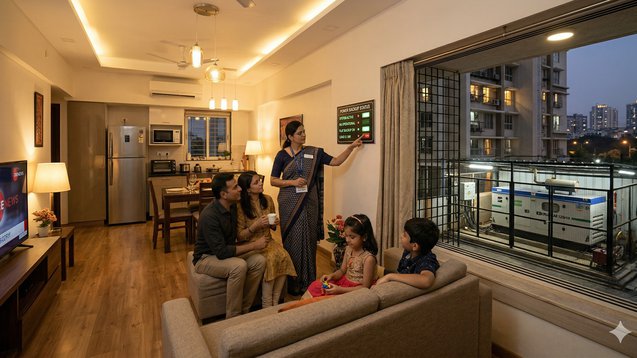
Choosing Homes With Power Backup Reliability
Introduction
In India people searching for homes begin their evaluation process by assessing four main factors which include properties' price and location and their floor design and parking and security features. However, there’s another practical feature that quietly shapes everyday living—power backup reliability. Residents who experience continuous power interruptions understand that the value of this facility exceeds the appeal of a clubhouse and rooftop garden. The modern household operates through electrical power which serves as its main source of energy. Daily life requires constant electrical power to operate essential home devices including lifts, water pumps and refrigerators as well as Wi-Fi routers and work-from-home equipment. The loss of electrical power forces people to change their activities because they must find new ways to complete their daily tasks. The system experiences multiple power outages because it lacks an effective power backup solution. The power supply system in major metropolitan areas which include Mumbai and Bengaluru and Delhi provides stable electricity service but customers will experience outages during maintenance and storm incidents and unexpected load increases. Power outages and scheduled electric supply interruptions continue to affect most parts of Tier 2 and Tier 3 cities throughout their territories. For this reason, experienced property buyers today don’t just ask whether a building has a generator they ask how reliable the power backup system actually is. Property Aaj (https://www.propertyaaj.com) users who browse through listings now evaluate properties based on their generator capacity and backup power options and system reliability information. Homeowners with reliable power backup systems achieve more than just enhanced convenience. This system provides advantages that include secure living spaces and efficient productivity while maintaining property value throughout time.
The Importance of Power Backup Systems in Contemporary Residential Environments.
The modern home depends on electricity as its fundamental power source. The world loses all its modern conveniences because they require electricity to function. The power failure causes all lights to extinguish while elevators stop operating and water pumps cease operation and Wi-Fi service becomes unavailable. Home office employees and online students require uninterrupted power supply because even brief outages will decrease their work efficiency. Residents in high-rise apartments face temporary lift access problems during power outages because their buildings lack generator support. Backup power systems become essential when severe weather events occur. The heavy rains and storms and heatwaves bring about temporary power outages which affect multiple cities. Power outages in Tier 1 cities occur during infrastructure development work and seasonal electricity demand peaks although they happen less frequently. Scheduled power outages occur in many areas of Tier 2 and Tier 3 cities because the electricity demand increases during summer months. Prospective buyers who visit Property Aaj (https://www.propertyaaj.com) find that modern residential developments use power backup systems as their primary marketing tool. The actual worth of backup solutions depends on their ability to deliver dependable power supply. The backup system provides residents with uninterrupted power supply so they can continue their normal activities without facing significant disruptions.
Types of Power Backup Systems in Residential Buildings
Power backup systems differ from each other because they have unique characteristics. In residential projects across India, developers typically install one of three types of backup solutions: diesel generators, inverter systems, or hybrid energy systems. Apartment complexes prefer diesel generators as their primary power backup solution. The generators handle automatic power activation during main power supply failures while supplying electricity to essential services which include lifts and common lighting and water pumps. Generators in premium residential projects provide power to essential electrical points within individual apartments which include fans and lights and refrigerators. Inverter systems serve as backup power solutions for smaller buildings and independent homes while large generators remain operational. The systems use batteries to store electricity and provide limited power during outages. Developers of modern buildings connect solar power systems to battery storage for their energy needs. The hybrid systems enable users to reduce their diesel generator usage while promoting sustainable energy practices. Property buyers need to investigate the building's power backup system before making their assessment. The details help users understand how well the property maintains its operations during power outages.
Understanding Full Backup vs Partial Backup
Buyers need to determine whether the building provides complete power backup or only partial power backup. The generator provides complete power to every electrical outlet throughout the apartment according to full backup specifications. The system provides power to all electrical devices including lights and fans and air conditioners and kitchen appliances and charging devices. The system power supply only includes essential operation points which cover lights and fans and specific plug sockets. The system power supply will not support air conditioners or geysers or heavy appliances during power outages. Generators in residential complexes first deliver power to lifts and common areas and water pumps while providing limited power to individual flats. Metro cities require premium projects to deliver complete backup systems because buyers demand continuous comfort. Mid-range projects in Tier 2 and Tier 3 cities provide partial backup solutions to control their operating costs. The property comparison on Property Aaj (https://www.propertyaaj.com) allows buyers to assess project details which demonstrate power cut reliability for their assessment.
Generator Capacity and Building Size
The generator capacity of a system has the power to determine backup power operations. The generator needs to have sufficient capacity for operating all electrical systems throughout the entire building. The generators in large residential complexes with hundreds of apartments must provide power for elevators, lighting systems, water pumping equipment, security installations, and emergency power backup systems which protect individual residential units. The system will experience operational difficulties during peak demand times when generator power limits the system capacity. A residential tower that contains 150 apartments operates with one small generator which creates challenges when residents need to use backup power at the same time. The best projects require developers to install multiple generators or install more powerful systems to maintain balanced power distribution throughout their operations. Buyers should ask developers about generator specifications and whether the system is capable of handling full building load. The planning of infrastructure systems provides residents with continuous service which remains unaffected by lengthy power outages.
The Essential Services Power Backup System Needs Complete Building Power Backup.
The building requires operational power backup systems which maintain essential services during power outages. The system provides operational capacity for elevators and water distribution systems and safety monitoring systems and parking area illumination and fire protection systems. The 10th floor apartment requires residents to use elevators which become unavailable during power outages. The water supply system fails when water pumps stop functioning which results in water shortages for the residents. Generator systems maintain service operations during power outages that disrupt primary electrical power systems. Electric pumps serve as the sole method for delivering water to residents in multiple residential societies because they transport water from underground tanks to overhead tanks. Residents who lack backup power systems will experience water supply issues which develop within a short time period. People should check essential services generator backup when they explore properties on Property Aaj website www.propertyaaj.com as this step helps them find trustworthy homes.
Comparing Power Infrastructure Across Indian Cities
Indian cities show different power infrastructure systems between their Tier 1, Tier 2, and Tier 3 areas. Major metropolitan areas generally have more stable electricity networks with fewer outages. However, dense urban populations and heavy electricity demand can still create interruptions which affect their power supply. In Tier 2 cities like Nagpur, Coimbatore, or Chandigarh, electricity supply is usually stable but may include occasional scheduled cuts or seasonal fluctuations. Tier 3 cities and smaller towns experience more power interruptions because their older systems and local grid capacity limit their electrical supply. The areas require backup power systems because of their persistent power interruptions. New residential projects in smaller cities now include generator backup as a standard feature because buyers increasingly demand reliable utilities. The trend matters for property investors. Homes with dependable power infrastructure create stronger rental demand and long-term buyer interest.
Maintenance and Operational Costs of Power Backup
Power backup systems require regular maintenance and fuel to operate effectively. Diesel generators require both periodic servicing and fuel supply during power outages. Residents pay monthly maintenance charges which cover these operational expenses. The fuel costs of generators in large residential societies experience a slight increase during times when power outages occur frequently. Buyers should ask about maintenance charges and how generator expenses are shared among residents. Some premium residential complexes install energy-efficient generators or hybrid systems to reduce operational costs. Understanding these aspects helps buyers estimate ongoing expenses after moving into the property. The building's infrastructure determines whether maintenance costs will remain minor or grow into significant expenses over time.
Impact of Reliable Power Backup on Property Value
Dependable infrastructure in residential properties results in better real estate market performance. Modern apartments now require power backup systems which customers expect as a standard feature. Buildings without generator backup systems experience decreased tenant interest during times of frequent power outages in their location. Remote workers and home business operators show a preference for apartments which provide them with dependable electricity service. Metro cities use complete power backup systems as a primary marketing tool for their elite residential developments. The mid-range residential projects located in developing cities are currently improving their infrastructure systems to satisfy the increasing demands of their customers. Buyers who visit Property Aaj (https://www.propertyaaj.com) use infrastructure elements to evaluate properties while they assess prices and locations for their investment choices. Properties with superior utilities including dependable power backup solutions achieve better market value retention over time which results in higher resale and rental demand for the properties.
Questions Buyers Should Ask Developers About Power Backup
Before making their property decision, buyers need to ask developers specific questions which will help them assess power backup system reliability. The first step requires users to check whether the building provides complete power backup coverage or only partial power backup coverage for its residential units. The next step requires users to learn about generator capacity which determines whether essential services can operate through power outages. Backup systems need to be checked by buyers because they need to determine whether lifts and water pumps and security systems have backup power connections. The next question needs to examine who will pay for important maintenance work.
Will the housing society manage generator maintenance, or does the developer provide a service contract initially?
The last question needs to confirm whether the building has automatic generator switching systems which activate during power outages. Automatic systems ensure the backup activates quickly without manual intervention. These questions enable buyers to evaluate the actual reliability of the building's infrastructure system.
Conclusion
Power backup systems become essential for daily living after buyers complete property visits. Residents gain reassurance through dependable backup systems which offer ease of use in a country with increasing electricity consumption. All essential household functions depend on generator support which powers vital appliances and elevator systems and keeps water distribution operational. Developers of modern residential projects in Tier 1 Tier 2 and Tier 3 cities implement more powerful backup systems to satisfy customer demands. Smart homebuyers look beyond marketing brochures and ask practical questions about generator capacity, backup coverage, and maintenance systems. Property Aaj (https://www.propertyaaj.com) provides buyers with tools to assess infrastructure elements of different projects which helps them identify properties that deliver reliable utility services. A selected home should possess both visual appeal and efficient performance during all standard daily situations which include electrical blackouts. Homeowners experience comfort and safety through a property that provides reliable power backup which also maintains its value as a long-term investment.
FAQs
1. What is the difference between full power backup and partial power backup?
The complete backup system provides electricity to every electrical outlet in the residence which includes air conditioning units and all other electrical devices. The partial backup system provides power to essential circuits which include lighting fixtures and ceiling fans and selected power outlets.
2. Do Indian apartment buildings commonly use power backup systems?
Generator backup systems exist in most contemporary apartment buildings. The project and location determine how much coverage and generator capacity will differ between projects.
3. Do generators increase monthly maintenance charges?
The society maintenance fees include generator maintenance and fuel costs which combine to create total costs but these expenses become manageable because all residents share the financial burden.
4. Can lifts operate during power outages?
The lifts in buildings equipped with adequate generator backup systems continue to function during power outages. This feature is especially important in high-rise residential towers.
5. Is power backup more important in Tier 2 and Tier 3 cities?
The answer depends on the fact that smaller cities experience more frequent power outages. People in these regions experience continuous comfort because of their dependable generator systems.
6. Does reliable power backup improve property resale value?
Yes. Buyers and tenants prefer homes with dependable infrastructure. The real estate market shows stronger demand for properties that have continuous utility service.