Introduction
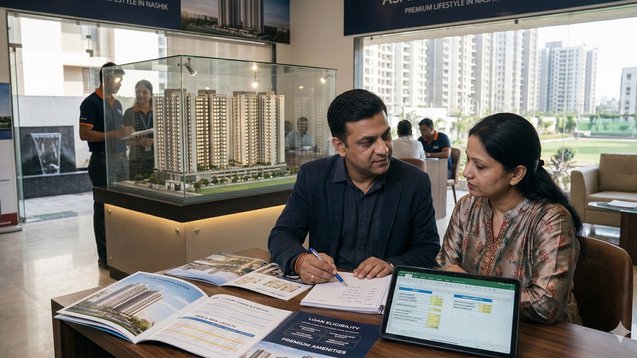
Property buyers start their search at established budget limits. The system provides users with safe boundaries which help them maintain their financial obligations. The buying process reveals to most buyers that they need to increase their budget because it enables them to access superior options. The key question is not whether you can stretch your budget, but whether you should. The practice of raising your property budget without valid justification leads to financial difficulties which persist over time. The process of evaluating different investment options requires test results that show negative prediction outcomes because investors need to understand potential property value increases and investment returns according to their projected expenses. Home buyers need to know when to go beyond their budget limits according to their purchase requirements for homes in Tier 1 cities which include Mumbai and Delhi NCR and Bengaluru and Tier 2 cities such as Jaipur and Indore and Lucknow and Tier 3 towns that see continuous development. The upgrade evaluation process requires you to assess its financial benefits against your budget needs before you approve any Property Aaj listing.
When Location Justifies the Stretch
The most important factor that determines property value is the location of the property. The decision to increase your budget for a property should be based on your ability to select either an average area or a high-value area or an area with future potential. The rental market and resale value of properties in Tier 1 cities experience major changes because even a tiny distance between two locations serves as a fundamental dividing line. The budget increase needed to move closer to a metro corridor or business hub will lead to higher expenses, but this investment will result in substantial value growth throughout the future. Upgrading from an underdeveloped area to a planned township in Tier 2 cities will provide better access to infrastructure services. The choice of a central location over a distant site in Tier 3 towns will lead to better property liquidity in the future. The budget increase becomes advantageous when it enhances three specific areas, which include connectivity for the public, development of social infrastructure, and the potential for future growth.
When Construction Quality Is Significantly Better
Not all properties are built equally. A budget increase that only requires additional funding will enable access to a recognized construction company which provides superior building materials and advanced architectural design and enhanced building strength. The premium projects in Tier 1 markets provide better seismic design features together with improved ventilation systems and complete fire safety compliance. The shift to a professional builder from an unorganized local developer becomes possible through budget increases which occur in Tier 2 and Tier 3 cities. People should use their financial resources to increase their spending when expensive items provide substantial quality enhancements which decrease their long-term maintenance expenses.
When It Reduces Long-Term Commute Costs
Daily commuting expenses consist of fuel costs and time requirements and stress levels and lost time which could have been used for other activities. A property closer to your workplace or major transport corridors may cost more initially but reduce monthly expenses and improve lifestyle quality. In Tier 1 cities, people who live near metro stations or business districts experience shorter travel times. In Tier 2 cities, better road connectivity requires a budget increase but only at a moderate level. In Tier 3 towns, central access may reduce dependence on private vehicles. Time savings which people achieve through their daily activities result in multiple years of enhanced productivity and well-being.
When It Enhances Rental or Investment Potential
The answer requires you to increase your financial resources toward investment properties which offer higher rental income potential in sought-after areas. Properties situated close to IT parks and educational institutions and hospitals achieve higher occupancy rates in Tier 1 cities. Inabona. Correction: Keep clean. The development corridors which receive infrastructure funding in Tier 2 cities provide opportunities for property value growth. In Tier 3 towns, properties in developing commercial zones may outperform isolated residential pockets. The website Property Aaj (https://www.propertyaaj.com) enables users to compare upcoming rental demand information with resale market trends before they decide on further investments which will affect their return on investment. A calculated stretch that improves yield is often justified.
When It Secures Larger Space for Long-Term Planning
The current budget constraints force you to choose a smaller system which will become insufficient after two years. The need to move to another location can be avoided through a minor system upgrade which your current budget permits. The Tier 1 cities, which require only a small budget increase, will move you from a compact 2BHK to a better-suited living space. In Tier 2 and Tier 3 cities a home office space or future family growth will require additional room space. The process of moving homes requires multiple expenses which include registration costs and brokerage fees and shifting costs and emotional disturbance. Increasing your budget today makes financial sense because it prevents you from needing to make another transaction during the next five years.
When Interest Rates Are Favorable
Home loan interest rates play a vital role in determining how much people can afford to borrow. The slight increase in principal amount during low-interest rate times will cause only minor changes to monthly EMI payments. Cities of all three tiers Tier 1 Tier 2 and Tier 3 cities can achieve their budget needs through available financing options. The EMIs must stay within dedicated income limits which should not create any cash flow interruptions for monthly expenses. You should keep your essential emergency savings intact while you build your required budget for your upcoming expense needs.
When Maintenance and Operational Costs Are Lower
When maintenance costs and operational expenses reach lower levels. The construction market sometimes requires people to pay more upfront costs because it provides them with better building performance which requires less maintenance work and uses energy-efficient systems. The upfront expenses of green-certified buildings in Tier 1 cities exceed their construction costs but the buildings provide lower operating expenses over time. The centralized maintenance system inside gated townships of Tier 2 and Tier 3 cities enables residents to save money on their personal repair costs. A budget increase becomes reasonable when your long-term operational savings exceed your higher purchase expenses.
When Safety and Security Improve Significantly
The planning process requires security infrastructure to be a vital factor. Your lifestyle upgrade becomes valuable when your budget increase enables you to secure residence in a gated community which has professional security systems. The security needs of Tier 1 cities require military-style protection systems which use multiple defense lines. The cities of Tier 2 and Tier 3 now recognize the importance of implementing access control systems together with surveillance technologies. The value of peace of mind exists as a tangible asset which people find difficult to measure.
When You Have Strong Income Stability
You will receive better financial results when your income stays secure over time. The increase in your property budget should only happen because your income maintains its current level and your earning capacity will stay the same. First-tier city professionals in expanding fields can expect their salaries to increase at regular intervals. Entrepreneurs in Tier 2 and Tier 3 cities who expand their businesses should increase their spending because their operations will reach the next level. The practice of extended income-based spending creates dangerous financial consequences because it relies on speculative financial forecasts. Organizations need to increase their budgets according to their actual financial situation.
When It Improves Liquidity and Exit Flexibility
Real estate properties which exist in prime locations and which developers have established their reputation for building these properties become more marketable. The resale process becomes easier when a property owner invests slightly more money into a project that experiences high demand. The micro-markets in Tier 1 cities exhibit different levels of liquidity throughout their areas. The performance outcomes in Tier 2 and Tier 3 markets demonstrate strong variations which depend on the particular area. The process of exiting from an investment becomes less risky when an investor chooses to purchase a property which offers better liquidity despite its higher price.
When It Does NOT Make Sense to Increase Budget
The budget should not be extended because it causes all three problems which include exceeding safe limits for EMI payments and depleting emergency funds and needing speculative asset value increases for resolution. The extra expense becomes unjustified when there is only a slight difference between the two options which include their quality and location and their potential value. People experience regret after making emotional choices which result from either peer pressure or marketing advertising. The property buying process requires both discipline and ambition to succeed.
Conclusion
The property budget should be increased when the extra money spent results in valuable improvements to location and building standards and future rental income and permanent living comfort and safety features and property resale value. The decision should be made based on financial assessment instead of feeling-based response. Small budget modifications in Tier 1 cities lead to major changes in both location value and property appreciation. In Tier 2 markets, upgrading to organized townships or reputed developers may justify higher spending. In Tier 3 towns, selecting properties which offer both central access and legal protection will need minor budget increases but will deliver permanent security. Before purchasing Property Aaj (https://www.propertyaaj.com) verify whether the extra cost will enhance your security and convenience and financial growth. A well-planned stretch can create opportunity. An unplanned stretch can create stress. You need to make a decision.
FAQs
1. How much should I safely stretch my property budget?
Your monthly income should not exceed 35 to 40 percent of your income for EMI payments while your emergency fund needs to stay complete.
2. Does upgrading location always justify a higher budget risk?
The presence of strong connectivity and growing infrastructure development usually results in better long-term property value.
3. Should I increase my budget for a reputed builder?
The long-term risk decreases when the quality and reliability of a particular option reach substantial differences.
4. Is stretching the budget during low interest rates safe?
The answer is yes when your income remains consistent and your EMI payments stay within your budget.
5. Can increasing budget improve resale value?
The answer is yes because properties located in prime areas and developed by reputable companies show better marketability.
6. What is the biggest risk of increasing property budgets?
People experience financial difficulties when they take on excessive debt or depend on their salary to grow faster than actual market conditions.
Read more about property matters with our specialists and browse the latest property listings on Property Aaj. Download the app from the Play Store and App Store now for easy buying, selling, and renting!