Introduction
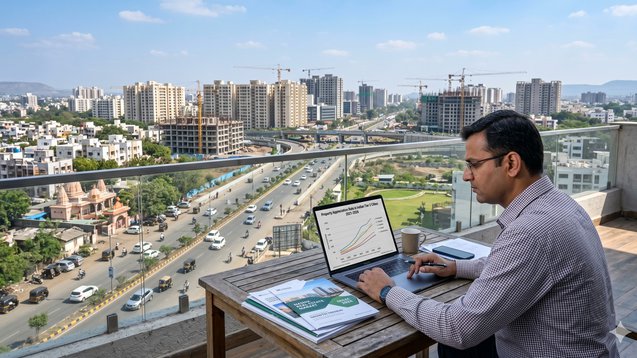
Indian real estate has experienced a significant transformation which remained unnoticed until it reached its current power. Investors used to direct their attention toward three major metropolitan areas, which included Mumbai, Delhi, and Bangalore. The current discussion has developed a new direction. The current real estate market features Tier 2 cities, which include Indore, Lucknow, Coimbatore, Nashik, and Jaipur, as emerging locations to watch for property value increases. What explains this phenomenon? The combination of low prices and developing infrastructure and new consumer trends creates the current situation. Investors and end-users search for better options because metro cities have become too expensive and populated. Tier 2 cities provide a market entry opportunity that costs less while delivering extended growth advantages. The situation develops into an exciting phase. The property value growth pattern in Tier 2 cities differs from the investment pattern observed in Tier 1 markets. The growth starts at a reduced speed but achieves fast progress when infrastructure development and market demand reach their peak levels. The trend which you already observed on Property Aaj (https://www.propertyaaj.com) shows that people increasingly prefer to explore upcoming cities which demonstrate strong potential for development in the future. What is the current rate of property value increases in Tier 2 cities? The most critical question which investors must answer before making investments at this moment. Let’s break it down.
What Defines a Tier 2 City in India’s Real Estate Market?
The definition of Tier 2 cities needs to be established because appreciation rates require measurement. The first cities which exist as Tier 2 cities create economic growth which supports basic infrastructure development and upcoming population increases. Think of cities like Indore, Chandigarh, Kochi, and Nagpur. The less saturated market conditions of Tier 2 markets enable businesses to expand their operations. The cities maintain greater stability than Tier 3 cities because their development patterns remain unpredictable. The government programs and industrial corridors and better connectivity create advantages for Tier 2 cities throughout India. The combination of these factors establishes optimal conditions for real estate development. The cities provide investors with a balance between moderate risk and high potential returns.
Understanding Property Appreciation Rate: What Should You Expect?
Property appreciation rate refers to how much the value of a property increases over time. The annual appreciation rate for Tier 1 cities generally falls between 4% and 7%. The market has reached maturity which results in controlled expansion that proceeds at a constant speed. The appreciation rates for Tier 2 cities show annual growth between 6% and 12% during their development phases. The returns from investments can reach greater levels in specific cases which include development projects that are still in their formative stages. The situation presents a hidden obstacle. The growth pattern of Tier 2 cities experiences fluctuations instead of following a consistent path. The pattern shows that there will be gradual advancement during the first three years which will then develop into rapid progress when major infrastructure projects reach completion or market demand sees a significant upturn.
The timing of events establishes their importance. Investors who enter the market first will experience the greatest advantages. The evaluation process for Property Aaj opportunities requires assessment of future potential instead of current market value.
Key Drivers of Property Appreciation in Tier 2 Cities
The present situation in these cities shows which factors drive their property prices to increase. The first factor that affects property prices in cities is the development of new infrastructure. Cities become more appealing to residents when new highways and metro systems and airports improve their transportation links. The creation of new job opportunities will take place through the establishment of IT parks and manufacturing units and business hubs. The lower property prices create two types of customers who both end-users and investors show continuous interest in the market. The new amenities together with improved educational and medical services create new ways for people to think about life in smaller cities. The situation has already happened in Pune's outskirts and Ahmedabad while Tier 2 cities are now experiencing the same growth pattern.
Price Trends: How Tier 2 Cities Compare with Tier 1 and Tier 3
Let us establish our current situation. Tier 1 cities: High prices, steady appreciation, strong rental demand Tier 2 cities: Moderate prices, higher appreciation potential, growing rental demand Tier 3 cities: Low prices, unpredictable appreciation, limited rental demand The value of a ₹50 lakh investment in a Tier 1 city will increase to ₹65 lakh between 5 and 6 years. The same investment in a fast-growing Tier 2 city could potentially reach ₹75–80 lakh in the same period. Tier 3 cities present investment challenges because they show two extreme growth patterns which increase their investment risk. The current investment trend of many investors leads them to select Tier 2 markets as their optimal investment choice.
Infrastructure Projects: The Turning Point for Growth
Infrastructure has the power to change property values from one day to the next. People assess property value changes when a new expressway reduces travel time between two points by 30 to 40 percent because it makes previously distant areas reachable by travel. The increase in demand leads to an increase in prices. The cities of Lucknow and Nagpur experienced this phenomenon after they completed their major infrastructure projects. Smart investors track these developments closely. The website Property Aaj (https://www.propertyaaj.com) shows that upcoming infrastructure projects create initial price changes in nearby areas. People need to understand that timing serves as the most crucial factor. If you enter too early, then you must wait. If you enter too late, then you lose the most important profits.
Rental Trends in Tier 2 Cities: Supporting Appreciation
The primary emphasis of this study centers on price appreciation, which receives additional support from rental demand. The rental yields in Tier 2 cities maintain a standard range that extends from 2.5% to 4%. The location provides better stability than some Tier 3 cities, but its height remains below those cities. The ongoing population growth in these cities through work and education, results in increasing demand for rental properties. The purchase provides you with an ongoing revenue stream, which continues until property values reach their peak. A young IT professional moving to Indore or Coimbatore will likely prefer renting before buying this property. The rental market experiences growth because of this element. The demand for properties creates a pricing increase which establishes a cycle of continuous property market development.
Buyer Psychology: Why More People Are Choosing Tier 2 Cities
The Indian homebuyer market shows an ongoing transformation of its buying behavior. Homeownership in metropolitan areas used to function as a status symbol. People now prefer to choose practical solutions over all other options. People are asking questions like: “Why should I pay ₹1 crore for a compact apartment when I can buy a larger property in a developing city for ₹50 lakh?”Work-from-home trends have also changed what people consider most important. Many professionals are moving to smaller cities for a better quality of life. The current market change directly affects how property values increase over time. On Property Aaj (https://www.propertyaaj.com) this change shows itself through the growing interest in plotted developments and larger homes which people want to build in Tier 2 cities.
Risks You Should Not Ignore
The exciting potential requires people to maintain their focus on realistic outcomes. Tier 2 markets exhibit slower market response than other markets. The reduced liquidity in these areas creates challenges for property sales which require extended time periods. The possibility exists that people will incorrectly predict future development. The process of property development requires research as its essential component. The developer background needs assessment together with the project status and upcoming infrastructure plans. The investor should use diversification between various city tiers as their investment method because it functions as an effective strategy.
Legal and Financial Considerations
The legal system now applies RERA regulations to most Tier 2 cities which leads to better transparency and lower risk throughout those cities. The execution of the plan shows different results in each state. You must confirm both project registration and project approval status. Different states impose different stamp duty and registration fees which affects your overall investment expenses. Home loans remain widely accessible although banks show extra caution when handling financing requests for projects located in developing regions. The use of Property Aaj (https://www.propertyaaj.com) lets you access verified property listings together with complete property details which makes your search process easier.
Future Outlook: Are Tier 2 Cities the Next Big Investment Opportunity?
The evidence currently available supports an affirmative answer. The process of urban development in India remains unfinished. The growing population and developing infrastructure will make Tier 2 cities essential for meeting urban development demands. The current market shows preliminary indicators which include rising property prices and higher investor interest and improved infrastructure. Successful outcomes depend on selecting both an appropriate city and its specific area within that city. The selection of suitable projects will not guarantee exceptional returns but one correct project will generate higher profits than standard investments.
Conclusion: Should You Invest in Tier 2 Cities for Appreciation?
The investment opportunity in Tier 2 cities provides investors with attractive prospects which lead to long-term financial success. The properties provide affordable pricing to first-time buyers while offering seasoned investors investment opportunities that show potential for future value appreciation. The path to success requires active research work because investors face three main challenges which include slower asset sales and unpredictable market expansion and their reliance on infrastructure systems. Modern investors prefer to maintain investment positions in both Tier 1 and Tier 2 markets instead of making a choice between the two. Property Aaj (https://www.propertyaaj.com) provides users with three essential services that help them explore investment options while evaluating different markets and obtaining reliable market updates. Successful real estate investments depend on three critical factors: selecting the right time, choosing the appropriate location, and understanding local market conditions.
FAQs
1. What is the average property appreciation rate in Tier 2 cities?
The annual property value increase in Tier 2 cities ranges from 6% to 12% based on their infrastructure development and market demand.
2. Are Tier 2 cities better than Tier 1 cities for investment?
Investors face increased risk when they invest in Tier 2 cities which offer more potential for growth than Tier 1 cities. Tier 1 cities provide stability while Tier 2 cities offer better opportunities for property value increase.
3. Which factors influence property appreciation the most?
The main factors that drive price increases include infrastructure development and job creation and connectivity and buyer demand.
4. Is it safe to invest in Tier 2 cities?
Yes, especially with RERA regulations in place. The essential process requires both research activities and proper due diligence activities.
5. Do Tier 2 cities offer good rental income?
The rental yields currently stand at moderate levels between 2.5% and 4% but they will reach better results as demand continues to rise.
6. How can I identify high-growth areas in Tier 2 cities?
Property Aaj allows users to identify high-growth areas by showing upcoming infrastructure projects and existing industrial zones and regions which have increased buyer interest
Read more about property matters with our specialists and browse the latest property listings on Property Aaj. Download the app from the Play Store and App Store now for easy buying, selling, and renting!