Introduction
The decision to select between main road properties and internal road properties stands as the most useful decision which people who buy real estate must make. The two options which customers see show identical pricing and territorial dimensions and building structures. The road your property faces establishes major effects which affect your daily life and the resale price and rental market demand and future value of your property and your mental state. The decision exists as a different responsibility between Tier 1 cities and Tier 2 cities and Tier 3 cities because urban areas in India continue to develop. The road position needs to receive special attention in Tier 1 cities because the traffic density and pollution levels create severe problems throughout Mumbai and Delhi NCR and Bengaluru. The urban expansion in Tier 2 cities like Indore and Lucknow and Coimbatore results in changes which reshape how neighborhoods operate. Main roads in Tier 3 towns experience rapid commercialization through new business developments. You need to study the effects of your selection on both your daily life and your financial results before you begin selecting properties on Property Aaj (https://www.propertyaaj.com). The following content needs our complete attention for investigation purposes.
Understanding Main Road Property
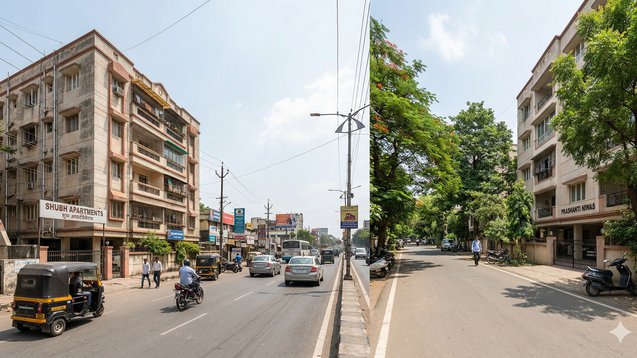
The property line of a main road stretches directly across from a major road or arterial route which handles frequent car traffic. The roads serve to link together commercial areas and business districts and transportation routes and entry points to the city. Main roads in Tier 1 cities experience nonstop vehicle flow which persists from daytime hours all the way through most of the nighttime period. The area experiences heavy traffic because of metro systems and bus services and large trucks. The main roads of Tier 2 cities connect their central business districts to their growing suburban areas. In Tier 3 towns, main roads function as the primary business streets which support commercial activity throughout the town. Main road properties provide their most important benefit through their ability to be seen and accessed from outside. The positive aspects of a situation need assessment together with the negative aspects which might disturb the situation.
Understanding Internal Road Property
Internal road properties are located inside residential layouts which people use for their daily activities away from major traffic arteries. The streets operate as private access zones which mostly serve local residents because they have more restricted width. Gated communities in Tier 1 cities use their internal roads to protect residents from outside traffic noise. The streets in Tier 2 cities enable residents to experience quieter environments while maintaining accessibility to essential facilities. The internal streets of Tier 3 towns experience less vehicle traffic because both residents and their neighbors use the streets to move around. Most people associate internal roads with environments that provide tranquility and security and spaces where people can raise children safely. Certain purchasers will prefer different properties because of their better commercial visibility and business opportunities.
Noise Levels and Daily Comfort
The most significant difference between two options lies in their respective sound levels. The main road properties of Tier 1 cities face constant exposure to honking sounds and siren alerts and bus engine noise and delivery truck operations and nighttime traffic. Background noise affects even the highest floor apartments. Tier 2 cities experience lighter traffic conditions which will progressively increase throughout the day. The commercial development of Tier 3 towns shows a pattern where businesses establish themselves on main roads, leading to increased foot traffic over time. The internal roads of a property experience noise levels that are much lower than their surroundings. Outdoor playtime for children becomes safer. Balcony conversations face fewer interruptions. People who sleep in areas without traffic noise will experience improved sleep patterns. The internal roads of a property provide better residential comfort for people who need their home environment to be completely quiet.
Air Pollution and Environmental Impact
Main road properties are more exposed to dust and vehicle emissions. The air quality in Tier 1 cities shows a significant difference between arterial roads and residential areas. Continuous traffic leads to higher particulate matter levels. The main corridors of Tier 2 cities face rising pollution because vehicle ownership continues to grow. Commercial activities in Tier 3 towns will increase pollution levels which currently show low pollution rates. Internal roads provide better air quality because their reduced vehicle flow and increased greenery create cleaner environments. Long-term exposure to pollution affects respiratory health, especially for children and elderly residents. Health considerations should carry significant weight in your decision.
Accessibility and Convenience
The main road properties provide outstanding access to all destinations. The area provides immediate access to public transport stops and auto-rickshaw services and grocery stores and pharmacies and dining establishments. Main roads in Tier 1 cities provide residents with shorter travel times to both workplace locations and metro stations. Main arterial roads in Tier 2 cities create easy access to public transportation and essential services. The main road network in Tier 3 towns enables residents to reach both markets and government offices with faster transportation options. People who live on internal road properties need to walk or drive short distances until they reach main transport routes. The process remains manageable for most people but creates minor challenges during their daily commute. Main road locations provide better accessibility than other street networks because they connect directly to main routes. Internal roads provide silent environments that promote peaceful living. Your lifestyle determines which matters more.
Safety and Security Considerations
The properties located on main roads benefit from improved visibility which street lights provide. The presence of more people in public areas creates a deterrent effect that reduces some criminal activities. The constant flow of traffic creates a higher risk for accidents which increases particularly for families who have small children. Internal road properties typically have slower vehicle speeds which create safer environments for both children and elderly residents. Internal roads in gated communities establish security checkpoints which provide additional safety measures. Controlled entry points usually exist for apartment complexes which operate on internal roads within Tier 1 cities. The main roads in Tier 2 and Tier 3 towns require independent houses to implement extra boundary security measures.The factors that determine safety include both street traffic patterns and the systems that protect public areas.
Commercial Potential and Future Appreciation
Main road properties frequently possess better potential for commercial conversion than other properties. Homes that face main roads in Tier 2 and Tier 3 cities have the ability to transform into clinics and offices and retail shops and rental commercial units after obtaining zoning approval. The property will achieve increased value through its ability to develop multiple ways over time. Main road properties in Tier 1 cities receive preferential treatment through mixed-use zoning and redevelopment efforts because of their street access. The market for internal road properties provides less commercial development options. The properties that face internal roads do not provide the same commercial development possibilities. The properties that face internal roads maintain consistent demand from residential customers. Main road exposure creates extra investment benefits for buyers who want to invest for future value growth. The main road exposure requires buyers to give up important aspects of their daily life activities. Property Aaj (https://www.propertyaaj.com) provides pricing trends comparison which users should analyze before making their purchasing decision.
Rental Demand Differences
Rental demand shows different patterns according to different tenant characteristics. Young professionals in Tier 1 cities may prefer main road properties for quick transport access. Small business owners may value visibility. However, families with children prefer internal road homes because they provide safer and quieter living spaces. People in Tier 2 markets now prefer peaceful residential areas because they understand work-life balance better. Tier 3 towns show different levels of demand which depend on work requirements and existing community conditions. The decision process requires your tenant demographic information because you plan to use rental income as a financial strategy.
Parking and Traffic Flow
Main roads face parking problems which become worse during commercial areas. The presence of visitors and delivery vehicles together with commercial operations results in decreased parking capacity. Internal roads generally create parking environments that drivers can forecast easily. Drivers park their vehicles at slower speeds which leads to decreased accident risks during parking activities. The limited space in Tier 1 cities makes main road congestion more difficult for drivers during peak traffic times. The best way to evaluate actual traffic conditions requires you to visit during evening hours.
Long-Term Lifestyle Impact
The value of your home extends beyond financial investment because it functions as your everyday living space. The first few minutes of continuous traffic noise might appear bearable but later develop into complete mental fatigue. The factors that affect children's safety and their exposure to pollution and their stress levels continue to affect them throughout their lives. Internal road homes create a relaxed atmosphere which leads to more community interaction and improved health outcomes. Main road exposure better serves your objectives when you need to boost business visibility and provide customers with easy access and achieve higher rental turnover. The situation does not have a single correct solution. Your needs determine which solution is appropriate for you.
Conclusion
The selection between main road and internal road property requires a decision which combines lifestyle needs with investment requirements. Internal roads in Tier 1 cities provide better environmental conditions and peacefulness compared to main roads which deliver better accessibility and commercial benefits. The rising need for this decision-making process is becoming more significant because urban areas in Tier 2 cities continue to develop and expand. Main road areas in Tier 3 towns provide potential for property value growth, yet future traffic patterns must be examined with thorough assessment methods. Properties need to be inspected during times of maximum vehicle movement. The evaluation should include noise levels, pollution, safety features, and parking availability. The final decision requires you to evaluate similar properties through the Property Aaj website (https://www.propertyaaj.com) before making your selection. The visibility and accessibility of a property located on a main road will increase because of its location. The property located on an internal road will provide residents with increased peacefulness and extended periods of comfortable living. Select your path according to the life you wish to establish rather than choosing your home based on its location.
FAQs
1. Is main road property better for investment?
The property provides higher appreciation value and commercial development potential but it decreases lifestyle comfort.
2. Are internal road homes safer for families?
The answer is yes because internal road homes create safe environments through their design which reduces traffic speed and congestion levels.
3. Does the main road location increase rental demand?
The answer is often yes because working professionals require main road access to public transportation services.
4. Is pollution higher on main roads?
The main roads experience higher pollution levels because vehicles keep driving and dust particles exist in the environment.
5. Do internal road properties appreciate less?
The answer is no because the properties sustain constant demand from residential customers.
6. Should I prioritize peace or accessibility?
Your decision requires an evaluation of both your current way of life and your future objectives for making money.
Read more about property matters with our specialists and browse the latest property listings on Property Aaj. Download the app from the Play Store and App Store now for easy buying, selling, and renting!