Introduction
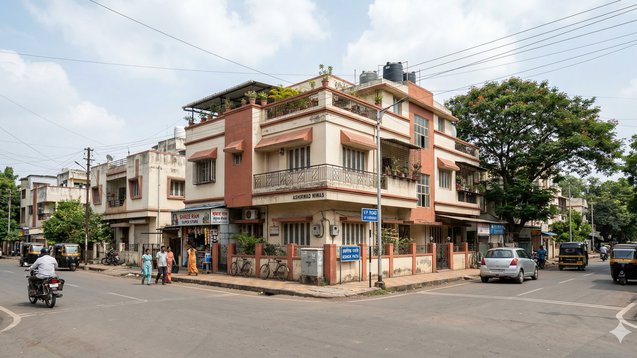
The Indian real estate market values corner properties. Buyers assume that every property which includes a corner plot in a Tier 3 town and a corner independent house in a Tier 2 city and a corner apartment in a high-rise tower in a Tier 1 metro area must have special value because it includes a corner section. The statement does not hold true in every situation. A corner property describes a space which occupies the space between two streets or extends from a building into two open areas. The position of a building determines multiple factors which include sunlight and ventilation and privacy and noise and parking and resale value and construction expenses. Before you select a property through Property Aaj (https://www.propertyaaj.com) you need to determine whether the corner property matches your personal needs and your future career goals. We will study the benefits and the actual requirements of the situation.
Better Ventilation and Natural Light
The best aspect of corner properties provides better airflow and better access to sunlight. Corner apartments with dual window access through two different sides of the building provide superior illumination and ventilation in densely built Tier 1 cities such as Mumbai and Bengaluru and Delhi NCR. Cross-ventilation systems enable buildings to reduce their energy needs for artificial lighting and cooling functions. The independent corner houses in Tier 2 cities receive better natural light than mid-row houses. The natural light accessibility in Tier 3 towns with larger plots increases because their wider spaces create fewer light-blocking barriers.
Increased natural light creates positive effects on mood while decreasing humidity levels and providing enhanced comfort. The extra windows in a space create two design advantages which include increased room size and better visibility. A corner unit provides excellent value as an option which combines necessary ventilation with sufficient natural light.
Greater Privacy
Corner properties provide residential spaces which feature two separate walls for residents to share with their neighbors. In Tier 1 high-rise buildings, corner apartments may share walls with only one neighboring unit instead of two. Corner homes at Tier 2 and Tier 3 plotted developments have fewer adjoining houses which serves as their primary boundary. People living in crowded areas can achieve better sound protection and private space through this method. The level of privacy that exists between two spaces depends on how many people use the streets and sidewalks. A corner plot which faces two major streets will receive higher levels of outside observation. The assessment process requires you to determine whether the adjacent streets function as quiet residential roads or active vehicle routes.
Road Access and Parking Convenience
Two streets provide access to corner plots which exist in developed areas that have been mapped. The entrance design process and vehicle movement control system design process gain implementation flexibility through this system. The potential for commercial conversion to occur in specific regions depends on their dual road frontage access. In Tier 1 cities, corner buildings provide smoother entry and exit access because they offer superior turning space, which depends on the design of each specific project. The properties that exist at major intersections face problems with both traffic congestion and parking space management. The sounds produced by vehicles executing turns and drivers who use their horns create disturbances that affect daily activities. Corner locations in residential streets provide greater convenience than junctions which experience heavy traffic.
Noise Exposure and Traffic Movement
Corner properties experience increased exposure to street traffic. In Tier 1 metros, which have heavy traffic patterns, corner streets on busy intersections experience continuous vehicle activity and horn sounds and air pollution. Developing areas in Tier 2 cities will experience traffic growth throughout upcoming years. Current low traffic conditions in Tier 3 towns will change when road construction begins. The corner plot inside a gated community or internal lanes will create less noise disturbance. The main road intersection will decrease comfort levels to a significant degree. The property should be visited during peak hours to assess actual noise conditions. Corner spaces do not guarantee peacefulness because they create noisy environments.
Higher Cost and Premium Pricing
Corner properties often carry a price premium. The developers in Tier 1 markets recommend higher prices for corner apartments because these units offer superior ventilation and better views. The value of corner plots in Tier 2 and Tier 3 cities increases because people believe these properties provide more value and different usage options. Before paying a premium, ask yourself whether the benefits justify the additional cost. The website Property Aaj (https://www.propertyaaj.com) provides information about price differences between non-corner units that share similar features. The advantages of a situation become worth the cost when its premium remains small. The high premium makes you reconsider because the situation causes loud noise and heavy traffic. Value should match benefit.
Security Considerations
Corner properties have security patterns that differ slightly from other types of property. The design of independent houses in Tier 2 and Tier 3 cities requires corner plots to have two accessible sides which needs either extra fencing or surveillance equipment. The security staff at Tier 1 apartments handle all security matters, which reduces the security problems for residents. The assessment needs to verify three elements, which include lighting conditions and CCTV coverage and the design of boundary walls. The proper security planning process eliminates all security problems that occur because of corner property exposure.
Commercial Potential
The research shows that corner plots generate higher commercial value in certain situations. Properties located at junctions in Tier 2 and Tier 3 cities become more attractive to emerging small businesses and clinics and retail outlets when zoning regulations allow it. Mixed-use corridors in Tier 1 cities demonstrate higher property value appreciation for corner lots due to their enhanced street visibility. The commercial potential of a location creates increased customer traffic which results in decreased peaceful environment conditions for local residents. The decision requires you to think about your future plans for using this resource.
Resale Value and Market Demand
Corner properties generally have strong resale appeal, especially if located within calm residential zones. Corner apartments in Tier 1 cities attract more interest because they provide superior views and natural light. Buyers in Tier 2 markets consider corner plots to be superior land assets. The ability to access two roads critically matters to residents of Tier 3 towns. The success of a property sale depends primarily on its location. A corner plot on a noisy junction may face buyer hesitation. The "corner" designation does not determine micro-location value.
Conclusion
The corner property of the building can benefit you because it provides better ventilation and natural light and creates private spaces and quiet areas which protect you from street noise. The property will boost resale value and enable various uses throughout its existence. The property becomes unsuitable when it stands at an intersection which experiences heavy traffic and produces excessive noise and environmental pollution. The assessment of tower distances and street capacity and upscale market rates requires thorough examination in Tier 1 cities. The evaluation of residential comfort and commercial effect should be conducted in Tier 2 cities. The future development patterns need assessment in all Tier 3 towns. The site needs a full day assessment with noise tracking and traffic monitoring to establish a complete evaluation which includes Property Aaj (https://www.propertyaaj.com) as a reference. A corner property is not automatically better. The property becomes advantageous when its location matches your personal needs and comfort standards and future aspirations.
FAQs
1. Are corner apartments better than middle units?
The answer to this question depends on location because corner apartments provide superior airflow and reduced wall contact with neighboring units.
2. Do corner plots cost more?
The answer is yes because people believe corner plots have better value than other types of land.
3. Is noise higher in corner properties?
The answer is yes because noise levels increase when properties exist close to main roads.
4. Are corner homes safer?
The security of a location depends on its fence systems and monitoring equipment rather than its actual geographical layout.
5. Do corner properties have better resale value?
The answer is yes because properties in peaceful well-planned areas tend to maintain their value.
6. Should I always choose a corner unit?
You should not make your choice based on that single factor. You should first assess how much traffic will pass through the area and whether the price increase will provide you with future contentment.
Read more about property matters with our specialists and browse the latest property listings on Property Aaj. Download the app from the Play Store and App Store now for easy buying, selling, and renting!