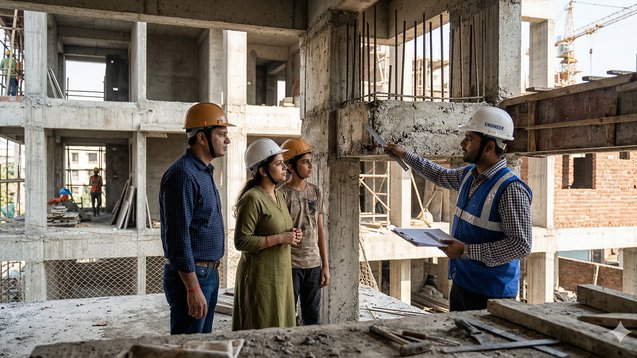
How to Inspect Structural Quality Before Buying
Introduction: Why Structural Quality Should Be Your First Concern
The primary factors which people consider when they purchase homes in India include location and price and available amenities and interior design elements. The design of modular kitchens creates an appealing visual effect. The appearance of Italian flooring creates a strong impression. The presence of clubhouses and swimming pools increases the attractiveness of the property. However, I ask you to consider this practical question because it determines which elements provide actual support to the entire property structure.
The structure.
The entire building becomes decorative when its structural components become weak. Cracks can appear within a few years. Moisture will begin to infiltrate. Doors will no longer maintain their proper position. The costs of repair work will increase. The most dangerous situation will create threats to personal safety. In Tier 1 cities such as Mumbai and Bengaluru, high property prices lead buyers to believe that they will receive good quality. Some buyers in Tier 2 and Tier 3 cities because of lower prices become doubtful about the quality of construction. However, the actual situation shows that structural quality exists at different levels in every location. The structure quality depends more on the development company commitment and its engineering procedures than on the city classification system. The process of structural quality assessment becomes necessary for you to understand before making any property purchase whether you want to buy a luxury apartment or an affordable flat or an independent house. Let’s break this down practically, step by step.
Understand the Builder’s Track Record First
The evaluation of a developer's past work should be completed before the team begins site inspections. The construction of sound structures depends on builders who follow engineering standards and maintain their project work methods. In Tier 1 markets, reputed developers often follow stricter internal quality checks because brand reputation directly impacts sales. Regional developers in Tier 2 and Tier 3 cities can deliver great projects but companies should conduct thorough background checks before working with them.
Check:
Previous project age and condition
Online buyer reviews
Delay history
RERA registration details
Visit an older completed project by the same builder. The building shows visible cracks and seepage marks and plaster deterioration and uneven flooring. A developer profile comparison together with project timelines and customer feedback evaluation on Property Aaj enables users to understand developer consistency in project execution. The builder establishes strong structural standards which the company maintains throughout its complete project work.
Check for Structural Red Flags During Site Visit
When visiting a sample flat or a ready-to-move home take your time. Don't get distracted by the interiors. Look carefully at:
Hairline cracks near beams and columns.
Diagonal cracks across walls. These are more serious than ones.
Uneven. Sloping tiles.
Gaps between wall and ceiling joints.
In built buildings minor plaster cracks can happen because the building is settling.. Deep or wide cracks mean there might be structural stress. In cities, like Chennai or Mumbai where it's humid, corrosion can be a problem. Check balcony railings and exposed metal elements. In towns soil testing might not be as strict. This can cause foundation-related cracks to appear early. If walls are not aligned properly, take it seriously. Don't ignore your instincts. If something looks off it usually is.
Inquire about soil testing and foundation type.
Most buyers never ask this question and they should. Soil testing determines foundation design. Weak soil requires deeper foundations like pile foundations. Strong soil can support raft or isolated footings. Foundation engineering becomes essential for metro cities which contain high-rise apartments because of the pressure from vertical loads. Soil-related challenges can still affect low-rise buildings in smaller Tier 2 and Tier 3 developments, particularly in areas that experience frequent flooding.
Ask the builder:
Was a geotechnical soil test conducted?
What type of foundation is used?
How deep is the foundation?
Under RERA regulations, developers must provide technical information about their projects, yet customers do not request this information. The best choice for your project is to hire a structural engineer who will conduct an independent inspection when you make a large investment in your property.
The assessment of construction materials needs to be conducted.
The structural quality of a building requires specific materials to achieve its optimal performance. The strength of concrete depends on its grade which includes M20 and M25 and M30. Higher grades of concrete are preferred for use in high-rise structures. The following information needs to be obtained:
The grade of concrete that was utilized
The specific steel brand used for reinforcement
The cement brand which was selected
The waterproofing materials that were used.
Developers in Tier 1 premium projects typically promote branded steel and ready-mix concrete. Some projects in Tier 2 cities continue to use site-mixed concrete which requires direct management. The site should be visited during the construction phase. The observation should focus on whether the materials are properly stored or left exposed to rain and moisture. Project specifications on Property Aaj (https://www.propertyaaj.com) sometimes include structural material details which require careful examination of the precise wording. The materials used in construction become completely hidden after the building process is completed. The construction process requires inspection because it provides important construction stage information.
Look at Beam and Column Alignment
strength depends on proper load distribution through beams and columns. When visiting a property you should check things. Check if columns are straight and aligned properly.
Look at the beams. Are they all thick?
Check the ceiling lines. Are they even or uneven?
If the shuttering work was not done properly during construction it can cause the beams to be misaligned. In high-rise buildings which're common in big cities, precision is very important. Any small mistake can affect how long the building lasts. In cities some people try to save money by making the beams thinner. That can make the building less stable. You don't have to be an engineer to check these things. Just look carefully. Check for symmetry. If everything looks even and aligned it's a sign that the builders did a good job with the beams and columns. Beam and column alignment is key to a structure. Check the beams and columns to ensure they are properly aligned.
Dampness testing needs to be conducted together with testing of waterproofing performance.
Water damage causes structural damage to buildings. The presence of water leaks through ceilings and bathroom walls and balcony areas indicates that the waterproofing system has failed. The process of steel corrosion inside concrete starts to unfold over time which results in structural integrity loss. The cities of Mumbai and Kochi and Guwahati experience heavy rainfall which makes waterproofing needs to be assessed with extreme care. The property should be inspected during or after the monsoon season when it becomes possible to do so. The following items should be examined for evidence of damage: The following items should be examined for evidence of damage:
Peeling paint
Musty smell
Bubbling plaster
Balcony water stagnation
The process of fixing waterproofing systems in completed buildings brings high costs and operational difficulties to building owners. Property Aaj customers who use the website (https://www.propertyaaj.com) to select properties usually wait until the rainy season to examine their chosen locations. Water damage begins without detection but it develops into an expensive problem.
Developers must verify their structural warranty and RERA compliance.
The RERA law requires developers to fix structural defects for five years after buyers take possession of their properties. This law provides essential buyer protection. The states implement enforcement procedures with minor differences. The first-tier RERA authorities handle complaint resolution at a quicker pace because they maintain superior infrastructure and digital systems. The states at Tier 2 and Tier 3 experience longer delays for their grievance resolution procedures. Before finalizing:
Confirm RERA registration number
Check structural warranty clauses
Ask about defect liability period in agreement
Home loan banks conduct primary technical evaluations of properties before they grant loan approvals. The project gains additional structural credibility when a respected bank approves it but your own inspection should remain your primary source of evidence. The process of legal compliance builds assurance but requires physical verification to validate its findings.
Independent House vs Apartment: Inspection Differences
The process of structural inspection varies according to the different types of properties. The developer is responsible for managing the essential components of the building which includes foundation and columns and beams and external walls. The assessment should concentrate on assessing the quality of construction in common areas while observing existing visible cracks. The owner of the house together with their chosen local contractor assumes all construction responsibilities. The majority of independent homes in Tier 2 and Tier 3 cities undergo construction through self-building methods which lack proper oversight. The process of hiring a structural engineer becomes essential in these specific situations. The expenses associated with professional inspection services remain low when compared to the potential costs of future repairs. Prospective homebuyers should conduct a structural assessment before making their final decision about independent houses listed on Property Aaj at httpswwwpropertyaajcom. The multiple owners of apartments share their investment risk. Independent homes concentrate their investment risk to a single location.
Long-Term Structural Health and Resale Value
The structural quality of a building determines how much its value will increase. Resale buyers in Tier 1 cities choose to inspect older buildings with special care. The property value decreases when cracked façades or visible repairs exist. In Tier 2 cities, which experience rapid supply growth, buyers increasingly compare structural quality before choosing resale options. Poor structural quality leads to:
Increased expenses for building upkeep
Society repair funds
Decreased demand for rental properties
Reduced buyer confidence
A building with strong structural integrity maintains its value throughout its lifespan. The properties maintain strong market value for resale after 10 to 15 years of ownership. Think long-term. The market reputation of a company exists beyond its visible structural strength which brochures display.
Conclusion: Look Beyond Surface Beauty
Prophets in India purchase property through emotional connections. We imagine interiors, family gatherings, and children's rooms. Security exists only beyond our protected boundaries which consist of concrete and steel walls. The purpose of structural inspections exists to inform buyers about their present knowledge. The process enables people to make educated choices about their purchasing decisions. The quality of products varies throughout cities which belong to Tier 1 Tier 2 and Tier 3 categories. The structural integrity of a building does not depend on its market price. The construction quality becomes evident through low market prices. Conduct your investigation through three steps which include asking questions and observing everything and verifying documents. And if needed, consult an expert. The Property Aaj website allows you to select properties by analysing both their amenities and floor plans. The primary factor you should assess first should be the building's structural integrity. A beautiful home needs to possess two requirements. The first requirement demands that it appears strong while the second requirement needs it to demonstrate actual strength.
FAQs
1. How can a normal buyer check structural quality without engineering knowledge?
The evaluation must begin with visible indicators which include cracks and dampness and uneven flooring and beam alignment. The construction specifications and soil testing reports must be requested. For professional assessment, users should engage an independent structural consultant.
2. Does RERA guarantee structural safety?
The five-year defect liability period which RERA establishes as a requirement for structural defects needs to be evaluated by buyers before they complete their purchase. Legal protection is beneficial, but it creates better outcomes when disputes are avoided before possession is granted.
3. Is structural inspection more important in Tier 2 and Tier 3 cities?
All locations require structural inspection because small cities face problems with weak regulatory protection which demands buyers to conduct detailed checks on construction methods.
4. Do banks check structural quality before approving home loans?
Banks perform technical assessment procedures before they grant loan approvals but their examination process does not extend beyond particular limits. Your personal investigation should be maintained as the primary method of assessment because the system provides additional verification.
5. Can structural defects be repaired at a later time?
The minor cracks together with waterproofing problems can be fixed. The repair process for major foundation defects together with beam defects becomes highly costly because of its complex nature. The purchase stage demands complete safety measures therefore it should be used to prevent all security breaches.
6. Is it worth hiring a structural engineer before buying?
The answer is yes for buying expensive items or purchasing standalone residential properties. The inspection cost is small compared to potential long-term repair expenses and safety concerns.