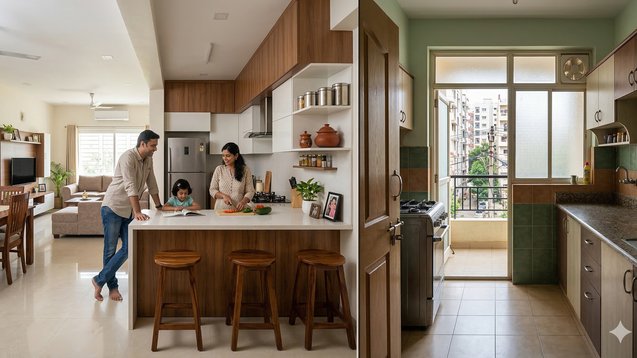
Open Kitchen vs Closed Kitchen: What Suits You?
Introduction
If you’re house hunting in India today, you’ve probably noticed a clear shift in kitchen designs. Developers across Tier 1 cities like Mumbai and Bengaluru are increasingly promoting open kitchens as modern and stylish. The situation shows that buyers in Tier 2 and Tier 3 cities continue to choose closed kitchens because of their practical nature and familiar aspects. So, which one is actually better?
The truth is, there is no universal winner. Your cooking style and your family size and your home city should determine which option you should select. The kitchen space functions as more than a decorative element because it serves as an essential area for cooking and dining and socializing in Indian households. Property Aja (https://www.propertyaaj.com) displays property listings that show both layout options which customers can choose from different price ranges and multiple locations. Before you fall for glossy brochure photos, it’s important to understand how each option affects ventilation, privacy, maintenance, resale value, and long-term comfort. The following explanation will help you to make a confident decision by providing practical information that specifically applies to India.
Understanding the Basic Difference
An open kitchen space connects with adjacent living or dining spaces through its design which lacks full-height wall partitions. A closed kitchen, on the other hand, is enclosed by walls and has a door — sometimes sliding, sometimes hinged. The use of open kitchens in Tier 1 apartment projects becomes essential to create spaciousness in compact 2BHK apartments. The removal of walls creates an effect that makes spaces appear more open. In Tier 2 and Tier 3 cities, closed kitchens remain popular because residents have access to larger carpet area spaces. The difference creates two distinct effects. It determines the way doors move through the space, the way sounds propagate through the area, and the level of cleanliness required to maintain your living space. While browsing on Property Aja (https://www.propertyaaj.com), look closely at the floor plan rather than relying only on 3D renders. Some Indian markets use semi-open kitchen designs which blend two cooking styles into one popular kitchen design.
Indian Cooking Habits: A Deciding Factor
Indian cooking lacks any form of subtlety because it relies on strong flavours. Most households use the daily practice of tempering spices together with deep frying and pressure cooking and strong aromas. The closed kitchen space keeps both doors and smoke mostly inside the room. Oil splatter only affects the kitchen area, which makes cleaning tasks simpler. The family members who need to prepare multiple complex dishes every day get both comfort and practical benefits from this space division. People who need to prepare light meals should use open kitchen spaces. Open kitchen designs create a suitable environment for young professionals who work in Bengaluru and Gurgaon and consume food from outside their homes. A young couple in Hyderabad selected an open kitchen design because it provided a modern appearance. The couple installed a sliding glass partition six months later after they discovered their daily taka and frying activities damaged their living room furniture. Your cooking intensity should strongly influence your decision.
Space Optimization in Tier 1 Cities
The cities of Mumbai, Delhi NCR and Bengaluru face challenges because their available space is limited. The developers use open kitchens in their compact apartments to create an illusion of bigger spaces. A 900 sq. ft apartment with an open layout can feel more expansive than one with enclosed rooms. The psychological effect creates significance for people who live in crowded urban spaces. People need to test practicalities before making their buying decisions. Kitchen sounds will disturb people when they use their living room as both a work and study space. Breakfast counters serve as visual barriers that create partial separation between open kitchens and living rooms in most Tier 1 projects which show up on Property Aja website. The design elements provide viewers with a limited visual boundary which maintains open space. The combination of open kitchens with strong ventilation and high-quality chimney systems enables you to create spacious environments in metropolitan areas.
Family Structure and Privacy Needs
The Indian family structure determines which kitchen design will be preferred. Open kitchens in nuclear family setups create a situation which enables family members to connect with each other. The cook continues to interact with both guests and children who watch television in the adjacent space. This arrangement becomes ideal for households containing young members who live in metropolitan areas. Joint families require closed kitchens to maintain their essential need for privacy while achieving proper kitchen organization. A dedicated cooking area helps maintain order in shared spaces by stopping multiple people from carrying items throughout the building. Closed kitchens have become the preferred choice among buyers in Tier 2 cities which include Lucknow and Surat and Bhopal because people still follow traditional cooking practices. Closed kitchens have remained the preferred design choice for both independent houses and builder floors in Tier 3 towns. People should choose their lifestyle according to their personal needs instead of following current trends.
Ventilation and Climate Considerations
The Indian climate displays multiple distinct climate patterns. Proper ventilation exists as a mandatory requirement because it determines both user comfort and system upkeep. Coastal cities such as Chennai and Mumbai experience open kitchens which become stuffy when their ventilation systems do not function properly because of high humidity levels. The cooking activities in Nagpur and Jaipur result in increased indoor temperatures because of the heat generated during food preparation. Closed kitchens provide superior exhaust management and airflow regulation capabilities. Windows and utility balconies together with exhaust fans create a system which separates heat and doors from the interior space. Open kitchens require effective chimney systems together with adequate cross-ventilation to function properly. The entire living space will experience an impact when this condition exists. Property Aja (https://www.propertyaaj.com) property reviews require you to examine window positioning together with kitchen utility space design. A kitchen that has proper ventilation remains easy to manage. A kitchen that lacks proper ventilation becomes irritating to use within a short period of time.
Maintenance and Cleaning Effort
The practical needs of the situation take precedence over the design elements. Open kitchens require their spaces to remain clean at all times because their kitchen areas stay open to the living room. Cluttered countertops and unwashed dishes create an immediate impact on your home because they remain visible from the living room area. Closed kitchens provide you with multiple options for their use. You can close the door to your kitchen space until you decide to return for cleaning duties which will not show any signs of your work throughout the rest of your home. The difference between these two options carries important implications for professionals who work during traditional office hours. Home assistance services in Tier 1 cities allow residents to resolve their problems. The ability to maintain a clean home becomes a vital requirement for residents of smaller towns who experience inconsistent access to daily cleaning services. Closed kitchens provide you with two advantages through their design which creates a visually calming environment and maintains your personal space.
Impact on Resale and Rental Demand
The Indian market currently supports sales of both open kitchens and closed kitchens because different cities and market segments show different buyer preferences. Open kitchens have gained popularity among younger buyers in premium urban projects because these kitchens now receive more market acceptance. Corporate tenants show a preference for modern layouts because these layouts better serve their rental needs. Closed kitchens in Tier 2 and Tier 3 markets attract more buyers because they match the needs of different buyer groups. Families form a large share of the market, and practical layouts perform better. If you plan to purchase an investment property, you must analyse the patterns of local property demand. The Property Aja website (https://www.propertyaaj.com) shows that resale speed depends more on how efficient the property layout is than the design of the kitchen. A hybrid semi-open design often appeals to the widest audience.
Budget and Customization Options
All construction costs for both designs show no significant differences between the two layouts. The two designs will produce different results when they undergo changes. The process of transforming a closed kitchen into an open kitchen requires wall demolition which needs approval from structural engineers. The process of changing an open kitchen into a closed kitchen needs the installation of either partitions or sliding glass doors. RERA regulations prevent tenants from changing structural walls in their apartments without obtaining proper authorization. Before making any alterations, you must first verify the builder specifications. Homeowners living in independent houses or villas can exercise greater control over their property. The budget serves as your primary decision criterion, but understanding how much each modification will cost enables you to plan for future changes.
The Rise of Semi-Open Kitchens
Developers throughout India now present their building designs with semi-open kitchen areas. These spaces use partial walls together with sliding glass doors and movable door systems. The design results in two distinct spaces which maintain visual connection to each other. Homebuyers in Tier 1 and Tier 2 cities show increasing interest in this design because it offers contemporary visual appeal alongside practical design features. The resale value of semi-open kitchens remains high because they meet various user requirements. The balanced option provides you with the best solution when you experience difficulty deciding your path forward.
Conclusion
The Indian debate about open kitchens and closed kitchens has no winner because both options fit different lifestyles. Open kitchens create modern design elements which make spaces appear larger while people can interact with each other. Closed kitchens enable users to maintain their cooking space while they protect their food preparation process from outside interruptions. Space limitations together with contemporary design trends create a need for open spaces in Tier 1 cities. The residents of Tier 2 and Tier 3 cities prefer closed kitchens because they find practical benefits from their existing dining customs. The gap between two areas will be closed through the implementation of semi-open architectural solutions. You need to think about your usual activities before you make your choice. How often do you prepare meals in your kitchen? Your privacy needs will determine your home design requirements. You need to assess your visual needs before making a choice. Users can examine actual properties through Property Aja (https://www.propertyaaj.com) while they review real floor designs and create mental images of their future home environment. Trends will change. Your daily comfort shouldn’t. Select a kitchen design which matches your requirements better than what you find in the marketing materials.
FAQs
1. Is an open kitchen suitable for Indian cooking?
The system functions correctly when there is sufficient ventilation and the cooking activities remain at their average level. Closed kitchens provide better solutions which help households that need to control doors from cooking with heavy spices and frying food.
2. Do open kitchens increase property value?
Younger buyers in premium Tier 1 projects show increased interest in open kitchens which create better project appeal. Closed kitchens in Tier 2 and Tier 3 cities attract more people which helps properties sell better in the market.
3. Is it possible to change an open kitchen into a closed kitchen space in the future?
The kitchen space can be converted into a closed space through the installation of glass partitions or sliding doors. Only structural walls which have received permission from authorities can be constructed. All modifications must be approved according to the established regulations of both the society and the builder.
4.Which kitchen design requires less effort to keep clean?
Closed kitchens provide easier management because they keep all waste and bad smells inside their designated spaces. The design of open kitchens demands ongoing cleaning efforts to preserve their visual attractiveness.
5. Are semi-open kitchens a good compromise?
The design provides two essential capabilities because it enables users to close off the area while keeping it open for their regular activities. The design has become a popular choice among Indian cities because of its rising demand.
6. Does kitchen type affect home loan approval?
The lenders evaluate property worth and legal compliance requirements instead of assessing kitchen design elements. The current market conditions will enable properties designed for better resale value to achieve higher resale value in the future.
Read more about property matters with our specialists and browse the latest property listings on Property Aaj. Download the app from the Play Store and App Store now for easy buying, selling, and renting!