Introduction
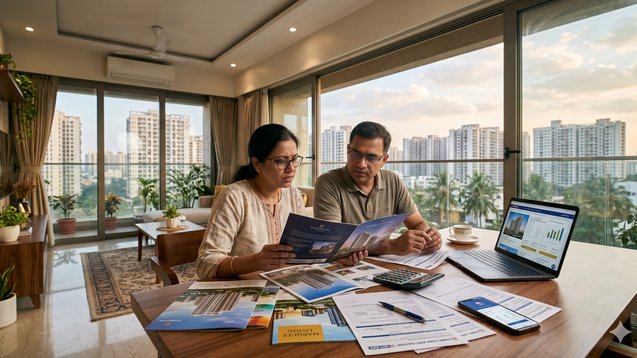
Most Indians consider their home purchase to be their most important financial commitment throughout their entire life. People today choose their properties based on factors beyond their immediate needs and their future requirements. Financial experts observe that people now spend their money according to their daily financial patterns which show gradual increases. People begin to spend more money when their income increases because of lifestyle inflation. The majority of people use their larger salaries to buy better products which include cars and gadgets and vacations and eventually their homes. People should not avoid life improvement because it leads to problems when people use social comparison or impulse to make upgrades instead of proper financial planning. The urban economic expansion of India shows this pattern particularly in fast growing metropolitan areas. Professionals who work in Bengaluru and Mumbai and Hyderabad and Gurgaon establish themselves in larger homes which they purchase at premium locations because their colleagues do the same. Buyers from Tier 2 cities such as Pune and Indore and Kochi sometimes increase their budgets to purchase luxurious projects while they have better practical options available. The result creates home loan results which lead to financial problems and property choices which do not match people's long term objectives. People need to understand how lifestyle inflation affects their real estate decisions to develop better decision making skills. Property Aaj (https://www.propertyaaj.com) provides buyers with tools and verified listings which enable them to assess properties through practical criteria instead of their emotional spending tendencies. We will examine how lifestyle inflation impacts property choices throughout India while showing buyers methods to prevent expensive errors.
Understanding Lifestyle Inflation in the Indian Context
The process of lifestyle inflation develops through time because people start spending more when their income increases. A young professional in Bengaluru who earns ₹8 lakh annually will start their career by living in a small rental apartment while they save money. Their expectations for life will change after five years when they earn ₹20 lakh. The two options which they will consider include:
Larger apartments
Premium gated communities
High-end amenities
Properties in prestigious neighborhoods
People usually upgrade their living standards but they require increasing expenditures which exceed their ability to pay for their upgraded living standards. The IT and finance sectors in Tier 1 cities, along with consulting businesses, experience salary growth, which leads workers to buy high-priced apartments with substantial monthly payments. The buying behavior of consumers in Tier 2 cities shows a different purchasing pattern. Buyers show a tendency to transition from budget-friendly homes to luxury properties because they find it easy to pay for the price difference. The people in Tier 3 cities display lifestyle inflation through their choice of independent villas and large homes which exceeds their actual requirements. Buyers who understand this pattern will find it easier to identify which choices come from their desires and which choices make financial sense.
The Social Pressure Behind Property Upgrades
Human involvement shows that people choose real estate properties in India because they face pressure from their family members and their friends and their social environment. The common practice of upgrading real estate investments after colleagues purchase expensive new apartments creates the impression that this process represents the natural progression. People in metropolitan areas use social media platforms and office discussions to showcase their high-end residential apartments and their exclusive club facilities and their top-tier building features. People believe that homeownership success depends on property size because of this situation. The modern residential townships in Tier 2 cities provide contemporary urban lifestyle features which draw buyers who want to experience the same living standards found in larger cities. People who buy property based on social comparison instead of actual needs will face financial burdens that become too difficult to manage as time goes by. Smart buyers take a step back and ask practical questions. Do I truly need a bigger home? Is the location improving my lifestyle? Can I comfortably afford this loan during uncertain income periods? The answers to these questions help people manage their spending habits which prevents them from making costly financial choices.
How Higher Income Encourages Bigger Home Loans
Banks and financial institutions often approve home loans based on income levels. Buyers automatically qualify for larger loans when their salaries receive increases. The more expensive property creates an illusion of financial security. A professional making ₹25 lakh per year can obtain a home loan that exceeds ₹1 crore. The loans create high monthly payments although they remain affordable according to financial standards. Rising property prices in Tier 1 cities force buyers to increase their spending so they can buy homes in popular areas. Higher loan limits make apartments seem affordable to buyers who want to move into larger spaces in Tier 2 cities. The higher loan amount results in two main consequences. The higher loan amount results in three main consequences. The higher loan amount results in three main consequences. Property Aaj (https://www.propertyaaj.com) provides property comparison tools which help buyers evaluate various price options through their analysis of different properties, which leads to practical decision-making instead of emotional decision-making.
Luxury Amenities and Their Hidden Costs
Modern residential projects increasingly market luxury amenities to attract buyers. The existence of clubhouses, rooftop lounges, swimming pools, and co-working spaces together with landscaped gardens enables people to experience better living conditions. The existing features create additional expenditures which will persist throughout the entire period of ownership. Premium housing societies require their residents to pay maintenance charges which can reach multiple times the standard amount. Luxury apartments in metro cities experience monthly maintenance costs which range from ₹5,000 to ₹15,000. This cost depends on the available facilities. In Tier 2 cities, similar projects may offer lower maintenance costs, but they still add to monthly expenses. Tier 3 cities now see developers who introduce lifestyle amenities as a way to compete against bigger markets. Before choosing a property primarily for its amenities, buyers should evaluate whether these facilities genuinely enhance daily life or simply represent aspirational upgrades. The process requires people to find a middle ground between their desire for comfort and their need to manage expenses.
The Impact of Lifestyle Inflation on Investment Decisions
The process of lifestyle inflation affects both homebuyers who want to purchase residential properties for their own use and their investment choices. The buyers who select premium apartments from high-end developments because they expect to earn better returns. The appreciation rate of luxury properties moves at a slower pace than mid-range housing. Affordable housing and mid-segment housing attract larger buyer groups which creates stronger demand in Tier 1 cities. The investors in Tier 2 cities should focus on developing residential areas because they offer better investment returns than high-cost luxury developments. The housing market in Tier 3 cities provides practical housing solutions which become demand sources because of developing infrastructure. The Property Aaj website (https://www.propertyaaj.com) enables investors to discover property trends that show growth areas which meet actual market demand.
Balancing Aspirations with Financial Discipline
People naturally want to have their own comfortable homes. The goal should not be to avoid upgrading entirely, but to do so thoughtfully. Financial planners suggest that people should spend 30 to 40 percent of their income on housing costs according to this useful guideline. The system enables buyers to keep their savings and investment accounts and emergency funds intact while they use their property rights. Buyers in India need to factor in these extra expenses which include Stamp duty and registration charges Interior design expenses Society maintenance fees Property taxes. The costs create a situation where financial obligations become more difficult to handle because they result in higher expenses. Buyers can find homes that match their lifestyle needs and financial abilities by using the verified listings and property comparison features available on Property Aaj (https://www.propertyaaj.com).
Why Tier 2 Cities Are Changing Lifestyle Inflation Trends
The way people in Tier 2 cities deal with lifestyle inflation has created new methods to handle their property decisions. The cities of Indore and Chandigarh and Kochi and Nagpur provide residents with modern infrastructure systems and housing options that stay within their budget limits. The professionals who move from metropolitan areas to their new jobs discover that they can purchase bigger houses which bring them financial relief. Buyers who shift from practical homes to luxury properties that become affordable to them create a situation where lifestyle inflation occurs in these markets. The process of evaluating needs requires comprehensive assessment. The property might have an affordable price but it fails to meet requirements which will exist in the future.
The Role of Future Infrastructure in Smarter Decisions
property value growth and lifestyle convenience increase through infrastructure development. developed areas with expensive homes present buyers with an alternative to budget their expenses to purchase homes in emerging corridors which upcoming infrastructure projects will create. India showcases its development through various projects which include Metro expansions in Bengaluru and Pune, Expressway developments in North India, and Smart city infrastructure upgrades in Tier 2 towns. The emerging zones provide properties which deliver better value and potential for long-term value growth. Property Aaj research (https://www.propertyaaj.com) enables buyers to make research-based decisions which prevents them from making unnecessary purchases that result from lifestyle-based spending increases.
Conclusion
People tend to experience lifestyle inflation as their financial situations improve. When people experience income growth they develop a desire to improve their living conditions and their standard of life. Unplanned lifestyle upgrades create financial difficulties for people who make long-term property decisions. In India people who buy real estate must find ways to manage their financial resources while they pursue their purchasing goals. Buyers should select homes that provide both comfort and stability because their goal should not be acquiring the priciest property available. Buyers who want to achieve their objectives should evaluate location and near future building developments and property costs and expected future worth of properties. The website Property Aaj (https://www.propertyaaj.com) helps users with their property search by providing authentic property listings and market data and property evaluation features which assist users in making non-emotional purchasing decisions. The correct property enables people to achieve both social recognition and a space which brings them mental wellness and financial security.
FAQs
1. What is lifestyle inflation in real estate decisions?
When buyers experience income growth they tend to purchase more expensive homes through lifestyle inflation in real estate. Buyers choose properties based on their financial capacity to pay for luxury features and prestigious locations instead of their actual needs.
2. Is it wrong to buy a bigger home after income increases?
Choosing to move into a bigger house after receiving a salary increase does not constitute a wrongful act. People should maintain their ability to pay for housing expenses while they build their savings and investments and protect their financial stability.
3. How can buyers avoid lifestyle inflation when purchasing property?
People should assess properties through three criteria which include their ability to pay for the property and their future plans and their daily life requirements. People who want to avoid hasty choices should create a specific budget and analyze different options with detailed assessment.
4. Do luxury properties always offer better investment returns?
The answer is no. Mid-range housing stocks in Indian cities experience better market performance because they attract a larger number of buyers who will purchase their homes.
5. Are Tier 2 cities less affected by lifestyle inflation?
Tier 2 cities provide residents with budget-friendly housing options but people who buy high-end properties without actual needs will experience lifestyle inflation.
6. How can property platforms help buyers make smarter decisions?
Property Aaj platform enables buyers to examine multiple properties while they assess different locations and study infrastructure projects and pricing patterns before their final purchase decision.
Read more about property matters with our specialists and browse the latest property listings on Property Aaj. Download the app from the Play Store and App Store now for easy buying, selling, and renting!