Hook-Based Introduction
People who want to buy a home typically concentrate their attention on three factors which are home price and property location and available features. Very few people stop to consider the second question which equals their first question in importance. Climate conditions impact various aspects including personal comfort and building maintenance expenses and human health and property worth over extended periods. A home that provides complete comfort during one season will turn into an expensive maintenance burden during periods of extreme weather conditions. Daily life gets affected by three climate conditions which are heat waves and heavy rainfall and humidity and water scarcity and pollution levels. People who buy property without understanding environmental aspects will face permanent difficulties and unplanned financial burdens. We need to explore the process which helps you select property according to environmental changes and climatic needs.
Understand the local climate patterns
The study of typical weather patterns should occur before property assessment. Does the area experience extreme heat during summers? Does the area experience heavy rainfall which leads to flooding during monsoon season? Do severe winter conditions occur in this location? Modern buildings in hot climates maintain cooler indoor temperatures through their design which includes proper ventilation and shaded balconies while limiting west-facing exposure. Proper waterproofing combined with effective drainage systems and elevated building methods results in essential protection for areas which experience heavy rainfall.You should study seasonal patterns because they help you select properties which maintain their value during all twelve months instead of just during pleasant weather.
Flood risk and water drainage
The assessment of flood risk requires an understanding of water drainage systems. Flooding presents environmental hazards which people must take seriously. The monsoon season brings waterlogging problems to low-lying regions and areas close to rivers and lakes and regions with inadequate drainage systems. Water damage impacts building stability along with interior spaces and electrical systems and furniture. The costs of maintenance work increase substantially because of repeated flooding events which also lead to a decrease in property resale value.You need to check historical flood records and study the road elevation and evaluate the drainage infrastructure which surrounds the property. The property which costs more but stands at a higher elevation will result in substantial savings for repair expenses throughout its entire lifespan.
Heat exposure and building orientation
The direction your home faces can influence internal temperature and energy consumption. West-facing homes in many Indian cities experience intense afternoon sunlight which causes indoor temperatures to rise. The building's proper orientation combined with cross-ventilation and insulated roofs and double-glazed windows creates a system that maintains temperature stability. Tree-covered homes and open-space properties maintain lower temperatures than residential areas with dense concrete development. Climate-responsive design improves comfort while lowering electricity costs.
Air quality and pollution levels
Air quality directly affects people because it determines their health status throughout their life. Properties situated near highways and industrial zones and garbage dumping areas and high-traffic intersections experience increased pollution levels. The low air quality condition causes people to develop more respiratory problems while their general life quality decreases. The Air Quality Index (AQI) trends show the local air pollution levels. Properties that are located near parks and green belts and low-traffic residential areas create healthier environmental conditions for residents. People prefer to rent and buy properties which have better environmental quality.
Water availability and sustainability
Water scarcity has become an urgent issue which affects numerous urban areas. The property requires verification of its water supply system to determine whether it uses municipal water or needs water deliveries from tankers before purchase. Residents face increased expenses and living difficulties because their area experiences constant water shortages. Properties that use rainwater harvesting together with storage tanks and eco-friendly water management systems achieve higher resilience against environmental challenges. Water security through permanent solutions maintains both residential area standards and property market value. People assess their comfort through noise levels and their surrounding environment.
Noise levels and environmental comfort
Noise pollution from highways and railway tracks and airports and commercial areas creates disturbances which impact people's ability to sleep and their mental health. The property needs testing at various hours because different times show different noise levels. A quiet space brings people comfort during their daily activities, especially for families who have young children or senior family members. People prefer homes that have silent areas because they provide better value over time.
Natural disaster risk assessment
Some regions experience higher frequencies of earthquakes and cyclones and coastal erosion. The protection of buildings against earthquakes has paramount importance in these situations. The building needs to be checked for compliance with earthquake-resistant construction standards because the area exists in seismic zones. Coastal areas require building materials that resist corrosion and construction methods that establish strong structural integrity. Climate-resilient construction protects against repair costs which occur throughout the building's entire life span.
Green spaces and ecological balance
Green spaces protect ecological systems while creating a balance with nature. Green spaces enable people to access clean air which decreases urban heat and improves their mental health. The environmental condition of properties located near parks and lakes and tree-lined streets exceeds that of completely concrete environments. Green cover decreases heat absorption while it enhances drainage capacity during heavy rainfall events. Eco-friendly neighborhoods sustain demand throughout time because they provide people with improved living conditions.
Energy efficiency and climate-smart features
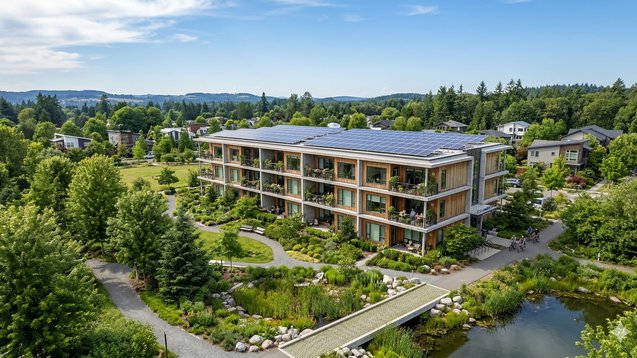
Modern buildings sometimes use ecofriendly building elements which include solar panels and energy-saving lights and thermal insulation and design for natural air circulation. The initial purchase expense of these properties will increase because of these features but their operational costs will decrease over time. Sustainable construction methods enable organizations to decrease their environmental footprint while safeguarding their financial resources. Energy-efficient home solutions help property owners to decrease their electricity costs while creating properties that will attract buyers in the future. The value of a property will be affected by its long-term environmental effects which will determine its worth.
Long-term environmental impact on property value
Climate change is emerging as a growing force that is reshaping property market dynamics. Locations that experience repeated flooding and extreme heat and water scarcity will appreciate more slowly than areas that maintain stable environmental conditions. Buyers and tenants are becoming more aware of sustainability and environmental comfort. Properties located in environmentally friendly areas that can withstand climate changes will maintain their value better throughout time. Homebuyers should assess both current home conditions and future effects of environmental sustainability.
Conclusion
Property selection should give primary importance to climate and environmental factors. Environmental factors direct their impact on comfort and safety and financial performance which extends into the future from their effects on heat exposure and flood risk and air quality and water security. The property provides better daily living through its design which matches local climate conditions and it decreases maintenance expenses while maintaining its resale value. Homebuyers should select properties which function with natural systems to achieve wise purchasing decisions. People will enjoy permanent comfort through environmental protection efforts which exist today.
FAQs
1. Why is climate important when buying property?
The comfort level of a property together with its energy expenses and maintenance costs and its future worth depends on its climatic conditions.
2. How can I check flood risk before buying?
The process requires people to examine historical flood data while they assess drainage infrastructure and measure the height of their land.
3. Does building orientation really matter?
The correct building orientation enhances air circulation while decreasing sun exposure which results in lower energy costs.
4. Should air quality influence property choice?
Poor air quality conditions result in health problems which decrease the ability to live comfortably over time.
5. What are climate-resilient features in a home?
The home shows improved climate resilience through its effective insulation system and rainwater collection system and earthquake-resistant construction elements and solar energy collection devices.
6. Can environmental risks reduce property appreciation?
Yes. Environmental hazards that affect a region repeatedly will create economic challenges that slow development and decrease property market interest.
Read more about property matters with our specialists and browse the latest property listings on Property Aaj. Download the app from the Play Store and App Store now for easy buying, selling, and renting!