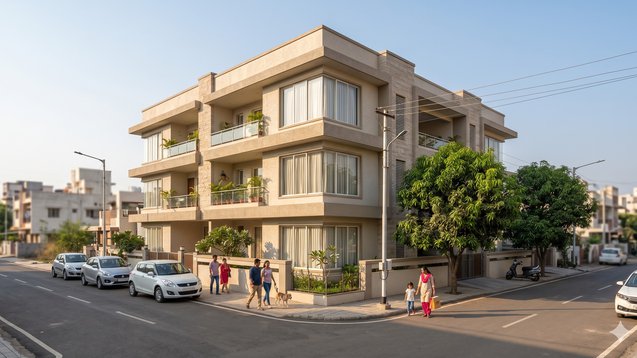
Why Corner Locations May Suit Certain Buyers Better
Introduction
Indian buyers who look for properties typically examine four main elements which include price and carpet area and connectivity and amenities. However professional real estate investors focus their attention on the property's actual location within its neighbourhood or building. Buyers often argue about the value of corner properties because of their unique status in real estate markets. People show particular interest in corner properties because they include both corner flats in apartment buildings and corner plots in residential layouts. The better ventilation and extra privacy and natural light that corner locations provide to developers lead them to set higher prices for these properties. Buyers need to assess all available costs which come with corner locations. The answer depends heavily on the buyer’s lifestyle, investment goals, and the surrounding infrastructure. Different cities across India display different patterns of corner property usage which vary according to their city tier. Corner units in high-rise buildings provide better views and airflow advantages to residents who live in Tier 1 cities which include Mumbai and Bengaluru and Delhi NCR. Corner plots in Tier 2 cities such as Pune and Ahmedabad and Kochi provide home designers with extra building space. Corner homes in Tier 3 towns provide better access to small businesses that operate from mixed-use residential properties. Buyers who visit Property Aaj (https://www.propertyaaj.com) need to learn about the advantages and disadvantages that corner locations bring to property evaluation because this knowledge will improve their decision-making process. Let’s explore why corner properties can suit certain buyers better and how they fit into India’s diverse real estate landscape.
The true nature of corner properties remains unknown.
A corner property exists as a street intersection point which connects two streets and two pathways and two building borders. A street corner defines a corner residential property from which independent housing designs proceed. The corner flat of an apartment building occupies the space that connects the two exterior walls and the corridor space at the corridor end of each floor. The simple concept actually holds important yet far-reaching consequences. The design of corner properties provides multiple open sides which enable better natural airflow and sunlight access. This advantage helps urban areas that face high residential density because their buildings obstruct air movement between apartment units that face other structures. The corner apartment provides Mumbai and Kolkata residents with two-window access because their two-sided windows face two different streets. The design enables fresh air movement between spaces which results in a cooler and brighter home environment throughout the entire day. The road frontage of corner plots in Tier 2 and Tier 3 cities across plotted developments presents a design advantage. The design space becomes more flexible through architectural modifications which enable construction of extra entry points and vehicle storage areas. The website Property Aaj (https://www.propertyaaj.com) permits buyers to explore properties which show how corner units tend to cost more. The combination of design flexibility and natural light access with special exclusive features causes this effect.
Better Natural Light and Ventilation
The primary benefit of corner properties enables buildings to receive more sunlight and better airflow throughout their entire area. The Indian climate enables proper ventilation systems to deliver substantial comfort benefits for indoor spaces. Multiple windowed homes create an environment which allows natural winds to flow through their spaces, making artificial cooling methods less necessary. High-rise corner apartments receive sunshine throughout the day because their design allows multiple building facades to receive sunlight. This design creates spaces with better brightness and a more comfortable atmosphere for residents to enjoy. The two apartments in the same building create a situation where a fictitious buyer from Bengaluru needs to decide which one to purchase. The building contains one middle unit that provides window access to its users and one corner unit that allows viewing through its two windowed sections. The corner apartment creates an impression of greater space because its layout differs from the other apartment which contains the same carpet space. The property market in Tier 2 cities like Pune and Surat experiences high demand because buyers now consider energy-efficient buildings with natural ventilation systems to be essential. Architects who work in Tier 3 cities that feature independent homes can use corner plots to design houses with larger windows and balconies and open courtyards which enhance airflow throughout their buildings. The appeal of corner properties increases for families who prefer homes that provide natural outdoor environments.
Greater Privacy Compared to Middle Units
Another reason certain buyers prefer corner locations is privacy. Middle units in apartment complexes share walls with two neighbouring units while their residents must deal with constant foot traffic through the building corridors. Corner units, on the other hand, usually have fewer shared walls and less movement outside the entrance. The difference in this aspect produces an impact which exists throughout the entire day. People who live in a building and have small kids or older relatives will find that a quieter environment better fits their needs. Corner apartments reduce noise from neighbours through their design which blocks hallway activity sounds. Corner homes in plotted developments have fewer direct neighbours because their layout includes two boundaries that face streets instead of neighbouring residences. The pandemic forced people to change their home usage patterns which created a new priority for Indian homebuyers to seek better home privacy. People need home environments that offer tranquillity because they now spend more time at home for remote work and home office duties. Property Aaj (https://www.propertyaaj.com) users who want to buy a property choose corner units as their top option. People will pay a little more for a home when it provides them with better peace and personal space.
Potential Advantages for Independent Houses and Plots
Corner locations provide high value to both independent homes and plotted developments. The two-road plot design enables owners to build their structures with greater design options. The property design allows architects to establish separate entry points which they can use to create broader vehicle access areas and build small green spaces that extend throughout all property boundaries. Corner plots provide two advantages which include improved vehicle storage solutions and potential future property development. Homeowners in Tier 2 and Tier 3 cities use this flexibility because they want to combine their living space with their work space which includes clinics and offices and small retail shops. A doctor living in a Tier 3 town needs a corner plot which he can use to build a house that has one entrance for his clinic and he will keep the rest of the house for his family. The combination of these two factors generates practical benefits for smaller cities because distributed properties throughout the city enable streets to operate as shared space.
How Corner Locations Influence Property Pricing
Corner properties throughout different cities show price differences which create various levels of price premium for these properties. The increase in price for corner apartments above their equivalent middle apartments ranges from 5 to 10 percent for buildings situated in Tier 1 markets which include Mumbai and Bengaluru. Buyers prefer to pay higher prices when they receive improved airflow systems and better sightlines and enhanced personal space protection. The premium in Tier 2 cities shows smaller value increases which still exist because of well-executed residential area designs. The pricing of corner plots in Tier 3 cities shows different results because commercial value and street access elements drive their market value. The buyers need to assess whether the additional expense meets their essential requirements. The increased costs for some homeowners become acceptable because it leads to better comfort and improved air circulation. The difference between two properties becomes valuable for investors who seek rental income because it determines their financial outcome. Property Aaj (https://www.propertyaaj.com) enables buyers to assess price developments which have occurred for various property types at different locations to determine whether a corner property possesses actual worth.
Traffic, Noise, and Security Considerations
Corner properties provide benefits but they also create specific difficulties which property owners must handle. People most frequently express their concern about traffic exposure. The dual road access of corner homes enables them to experience increased traffic flow, especially in highly populated urban areas. Some situations develop through this process which creates additional noise disturbances and privacy losses. The corner apartments located at major intersections throughout Tier 1 cities already face significant traffic noise problems which will continue throughout the day. The security matter needs to be examined. The design of corner homes creates security challenges because their outer sections become more visible which forces homeowners to install advanced security systems that include surveillance cameras and fencing systems. Modern gated communities use controlled entry points together with surveillance systems and security personnel to tackle these security challenges. Before making any decision, buyers need to assess the property throughout the day to determine its actual traffic flow.
Corner Properties and Rental Demand
Corner properties can generate strong rental income for investors who want to invest in their business but their actual performance depends on specific geographic areas. Tenants in Tier 1 cities prefer corner apartments because these units provide superior ventilation and better outdoor views. The property will attract more interest from potential renters who want to compete with other available properties because these features add value to the property. The premium residential complexes of Tier 2 cities show a smaller rent effect which still exists as a visible change. Corner houses receive stronger demand in Tier 3 cities because these properties provide two entry points and commercial use potential in areas designed for mixed residential and business activities. Investors who study properties on Property Aaj (https://www.propertyaaj.com) need to understand local tenant needs before they spend extra money to buy corner properties.
Legal and Planning Considerations
Corner properties require extra planning work. Indian cities enforce municipal regulations that mandate both roadways to possess mandatory setbacks and designated open areas, which results in decreased building space on properties. The property benefits from enhanced attractiveness because setbacks provide better airflow and improved street visibility. Legal requirements state that buyers must confirm all essential documents which include land ownership proofs and project approvals and RERA compliance for newly constructed buildings. Banks evaluate property usage differently for corner and non-corner properties based on their commercial potential even though stamp duty rates and home loan options remain consistent. The documentation process necessitates meticulous examination because it serves as a vital requirement in Tier 2 and Tier 3 cities which experience rapid suburban development.
Which Buyers Benefit Most From Corner Locations
Corner properties become unsuitable for particular buyers but bring matching benefits to specific people. Corner apartments provide families with superior airborne flow and sunlight access while delivering peaceful interior spaces. Home-based workers find professional advantages through improved seclusion and decreased distractions from their neighbours. Corner plots provide architectural design options which benefit independent homeowners who reside in Tier 2 and Tier 3 cities. Investors searching for distinctive property assets discover that corner units present better marketing opportunities to potential tenants. The value of a corner property exists through its ability to match the buyer's personal lifestyle and their future aspirations. Property Aaj (https://www.propertyaaj.com) provides buyers with multiple options to determine if a specific locality's corner unit delivers the ideal mix of comfort and accessibility and investment value.
Conclusion
Corner properties hold a unique place in India’s real estate market. Certain buyers experience better living conditions through these properties which do not provide universal benefits to all people. Better natural ventilation and increased privacy together with flexible design options and potential commercial benefits make corner locations attractive in many scenarios. These advantages provide crucial value in Tier 1 cities because they enable better home comfort through improved airflow and natural light. The buyers need to evaluate three main factors which include traffic exposure and noise levels and pricing premiums before they arrive at their buying choice. Across Tier 2 and Tier 3 cities, corner plots often provide additional architectural flexibility and mixed-use possibilities, which can increase both practicality and long-term value. The key is to evaluate the property in context considering the neighbourhood layout, infrastructure, and personal lifestyle needs. Property Aaj (https://www.propertyaaj.com) provides buyers with research and comparison tools to assess whether a corner location adds value to their property. The best real estate property requires evaluation of how its location matches your particular way of living instead of evaluating its size and price.
FAQs
1. Are corner properties always more expensive in India?
Corner properties have a slight price advantage because they offer better airflow and private space and direct sunlight. The price difference between cities depends on the quality of the project and the available infrastructure.
2. Do corner apartments get better airflow?
Yes. Corner apartments have windows that face multiple directions which enables cross ventilation and improved natural airflow. The design of these buildings creates better indoor conditions for hot weather which decreases the need for air conditioning use.
3. Are corner plots good for independent homes?
Corner plots provide architects with more design options while their extended street frontage and multiple entry points make them suitable for building design in Tier 2 and Tier 3 cities.
4. Can corner homes be noisier than other properties?
In some cases, yes. The two-road exposure of corner homes leads to increased traffic noise which impacts their residents especially in high-traffic urban environments. The property assessment requires peak hour visits to determine this particular aspect.
5. Do corner properties have better resale value?
The answer is yes because corner properties show unique features which include better airflow and additional street access and higher visibility. The answer is yes because corner properties show unique features which include better airflow and additional street access and higher visibility.
6. Are there special legal rules for corner plots?
Municipal planning regulations require corner plots to maintain larger setbacks which build height restrictions. The buyers need to check building standards and permit approvals before they buy the properties.