Introduction
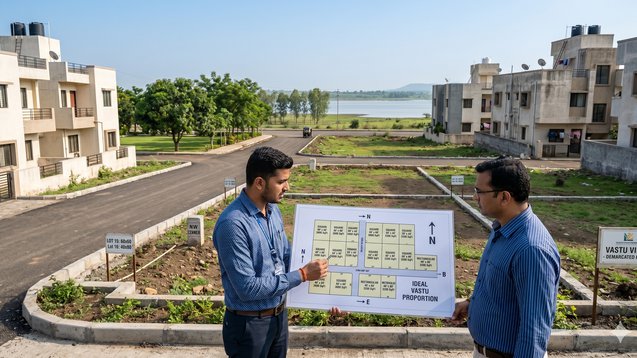
The conversation about Vastu occurs when people buy land in India because they want to study the various directions which include north-facing and east-facing properties. Buyers need to pay attention to the size of the plot which exists as the overlooked aspect of their purchasing process. The Vastu alignment and practical usability of a space depend on its size which includes all of its elements and body parts. The two plots have identical measurements of 1,500 square feet but they feature entirely different design arrangements. The first design creates an open area which people can use to create their plans whereas the second design creates a space which people find difficult to move through. Proportions create the main distinction between two objects while their dimensions remain unchanged. Plot size determines how much construction projects can proceed and how much property will sell for and how happy customers will feel about their purchases in India today. Vastu creates additional requirements because it demands both balance and proportion to exist together with all measured spaces. The real question we need to answer now requires us to find the ideal plot size for our project. The best combination for our project requires us to determine which size and proportion should be used together. We will explain this matter to you through practical examples which will help you make your decision with total confidence.
Does Vastu Really Define an Ideal Plot Size?
Vastu does not establish a specific ideal size for land because it does not define a single fixed property dimension. The rule does not exist which establishes 1,200 square feet as acceptable while 2,000 square feet functions as superior. Vastu requires three design elements which include proportionality and symmetrical design together with functional space design. A 1,000 square foot plot that maintains proper balance shows better Vastu compliance than a 2,500 square foot plot which contains irregular dimensions. Space design follows this basic principle that energy moves better through areas which maintain equal space distribution throughout their entire design. The design practice directly correlates with construction needs because architects require basic building plans which include simple dimensions to follow during construction. Architects prefer building sites which provide them with straightforward design possibilities through defined site boundaries that produce only essential construction materials. The Vastu system requires particular spatial design because your requirements and budget need to be considered together with the actual size of your space.
Square vs Rectangular: What Works Best
The Vastu system considers square plots as the best possible plot configuration. The design achieves perfect equilibrium through its equal-sided layout. The system maintains consistent energy flow which simplifies the entire design process. The second most suitable land design for construction purposes requires people to use rectangular plots which have a length that exceeds their width. The construction industry widely uses these materials throughout Indian cities because they provide practical solutions. The design of a site with extreme narrowness or extreme length creates operational difficulties for architects. The design will result in space that remains underused while creating obstacles for creating proper room layouts. The 30-foot by 40-foot actual measurement of a plot provides better functionality than the 20-foot by 60-foot measurement even though both plots have identical surface areas. Property Aaj (https://www.propertyaaj.com) demonstrates that properties with balanced dimensions receive greater market interest because their construction process remains more straightforward.
Minimum Plot Size: What Should You Aim For?
Vastu does not establish a standard minimum size requirement yet practical factors need to be considered. The standard residential plot dimensions in India are as follows: The first category of compact urban homes requires 600 to 800 square feet The second category of standard family homes requires 1000 to 1500 square feet The third category of larger independent houses or villas requires 2000 square feet or more. Vastu requirements permit compliance for small plots when they maintain the correct proportions and design layout.Your implementation of Vastu principles gets restricted by your plot size which prevents you from fully applying the rules, particularly for placing rooms and designing open areas, and creating air flow systems. The high cost of land in Tier 1 cities leads to the use of smaller plots by developers. The buyers in Tier 2 and Tier 3 cities prefer larger plots because they want to maintain their future development options.
Importance of Length-to-Width Ratio
The Vastu system recommends that property dimensions should measure 1.15 times their actual width. A ratio of around 1:1 or up to 1:1.5 is generally considered balanced. The following examples demonstrate this point. The first option offers an excellent rating for 30x30 ft (square) space. The second option achieves a very good rating for 30x40 ft (rectangular) area. The 20x50 ft space provides acceptable space but fails to meet optimal standards. The plot begins to feel stretched when its ratio reaches extreme values which results in both Vastu imbalance and functional usability problems. The use of balanced ratios in architectural design enables architects to create room layouts that optimize natural light access throughout the entire house while facilitating efficient movement between different areas.
Open Space Within the Plot
The plot size determines both the built-up area and the total amount of open space which can be preserved. Vastu requires more open space to be maintained in the north and east areas of a building site while the south and west areas permit constructing heavier buildings. Poor planning will reduce the effectiveness of your large plot because it limits your ability to use space.
A 1,200 square foot plot with properly designed open spaces provides a more comfortable experience than a 2,000 square foot plot which has no open spaces and lacks ventilation.
The essential balance between comfort and compliance requires modern Indian homes to establish proper space usage according to their specific needs.
Plot Size and Construction Flexibility
Larger plots of land provide more design options because they permit different design choices. The design process enables you to create larger indoor spaces which include additional outdoor spaces and vehicle parking areas and potential building expansions. The Vastu system requires more space to separate different areas correctly which includes locating the kitchen in the south-east section and the master bedroom in the south-west section.
People incorrectly assume that bigger things always provide more advantages. The three factors which need examination include construction expenses and maintenance expenses and the building's future operational requirements. Tier 1 city homebuyers accept smaller properties because their financial situation limits them whereas Tier 2 and Tier 3 city residents can obtain larger properties with less difficulty. The website Property Aaj (https://www.propertyaaj.com) provides users with the ability to assess various land dimensions and determine their suitability for their particular needs.
Impact on Pricing and Investment Value
The relationship between plot size and pricing shows direct correlation, yet the connection between these two factors does not always function in a straight line. The total cost of smaller plots results in higher price per square foot because they attract more potential buyers who find them affordable. The total investment for larger plots leads to lower per-square-foot charges because of their greater land area. Real estate investors find standard property sizes between 1,000 and 1,500 square feet easier to sell because they match the typical needs of most buyers. Vastu-compliant design dimensions enhance property resale value more in Tier 2 and Tier 3 markets because buyers show greater interest in these aspects.
Legal and Approval Considerations
The legal process for approvals and construction regulations develops through the impact of plot dimensions. Local authorities establish minimum plot size requirements which residential construction projects must follow together with their setback regulations and floor area ratio (FAR) restrictions. The regulations show different requirements which various states and cities in India implement through their local laws. The smaller plots restrict construction height and coverage more than larger plots, which provide building area and height options. The assessment of Property Aaj (https://www.propertyaaj.com) options requires users to verify Vastu principles together with local regulations.
Common Mistakes Buyers Make
The initial error occurs when someone evaluates total area without assessing its proportional dimensions. A poorly shaped large plot can be less useful than a well-shaped smaller one. People make another error when they predict future requirements which exceed their actual needs leading them to purchase excessive land that results in increased expenses and upkeep. Some buyers also ignore open space requirements, which results in design solutions that create uncomfortable and narrow spaces. People should define their required land area based on their existing way of life and financial restrictions instead of their future dreams.
What Smart Buyers Do Differently
Experienced buyers approach plot size with a balanced mindset. The buyers assess three specific factors which include Proportion and shape and Construction feasibility and Budget and long-term plans and Vastu alignment as a supporting factor. For example, a buyer may choose a 1,200 sq ft rectangular plot in a good location over a 2,000 sq ft irregular plot in a less developed area. Property Aaj (https://www.propertyaaj.com) enables users to compare several options which assists them in making better decisions.
Conclusion
Vastu does not identify any plot size as the ultimate standard for perfection. The essential aspect of a plot size rests on its design and spatial distribution and its functional application. Vastu requirements and practical usage of square and rectangular plots with equal side lengths reach their highest effectiveness. Your required size will depend on your requirements and available funds and your plans for the future. Indian buyers in the current real estate market across all city tiers from Tier 1 to Tier 3 show increasing tendencies toward sensible purchasing. They evaluate properties by their total worth instead of restricting their assessment to the property's dimensions. People should replace their question about ideal plot dimensions with the query about their capability to utilize their available space. The most suitable plot for your needs serves as the ideal space for your existence.
FAQs
1. What is the ideal plot size as per Vastu?
The ideal plot size does not exist because Vastu requires specific proportions and shapes instead of measuring total land area.
2. Is a square plot better than a rectangular plot?
Square plots represent the ideal option according to experts who also consider well-proportioned rectangular plots as highly effective alternatives.
3. What is a good length-to-width ratio?
The standard balanced ratio requires a measurement between 1:1 and 1:1.5.
4. Can small plots be Vastu-compliant?
Yes, as long as they maintain correct proportions and develop their layouts through proper planning.
5. Does plot size affect resale value?
The resale value of standard sizes increases because buyers find them easier to purchase especially when the dimensions are correctly proportioned.
6. Should I prioritize size or location?
Most people consider location to be the primary factor followed by the assessment of size and functional value.
Read more about property matters with our specialists and browse the latest property listings on Property Aaj. Download the app from the Play Store and App Store now for easy buying, selling, and renting!