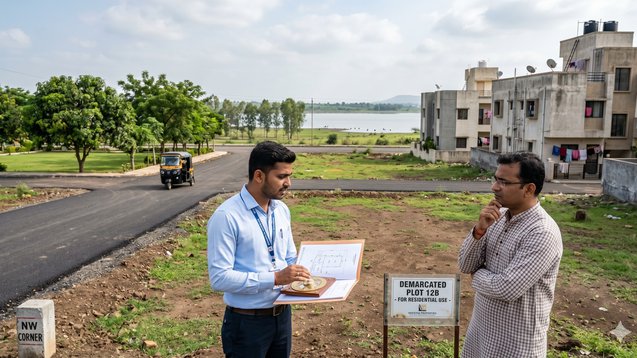
Introduction
The majority of Indian plot evaluations center on three particular factors which are the plot's dimensions and its market value and its geographical orientation. North-facing? Good. Square shape? Even better. The plot's location functions as a secret element which experienced buyers use to assess value. The surrounding area of your property affects two factors which are Vastu compliance and your daily life activities and the property's resale value and future value growth. Think about it. A perfectly Vastu-compliant plot next to a noisy highway, a drainage line, or an industrial unit won’t feel ideal, no matter how well the internal layout is planned. A property with minor defects in a peaceful established area, which follows proper development standards, proves to be a more valuable asset than it seems to be. The surroundings of real estate properties have increased importance in India, because Tier 2 and Tier 3 cities undergo their infrastructure development. Buyers today are asking smarter questions: Is there open space nearby? How is the neighborhood planned? Are there temples, schools, or water bodies close by? Vastu exists on two levels which include both the plot itself and its surrounding space. The proper understanding of this concept enables you to view land as part of a larger environmental system.
Why Surroundings Matter in Vastu
\The primary focus of Vastu centers around energy movement which continues beyond your property limits. The light and air movement together with noise and human activities work together with your space because of the environmental conditions surrounding your plot. An area that opens toward the north or east provides both sunshine and beneficial air circulation which supports Vastu principles and practical residential needs. The presence of substantial buildings and other barriers in these directions produces two effects by preventing light from entering the space and creating a restricted atmosphere. Your surroundings determine your level of comfort and privacy and how easily you can move around your space. A plot that has well-designed roads and green spaces and residential areas will create a better living environment than one that exists in a messy and underdeveloped space. Property Aaj (https://www.propertyaaj.com) users who have experience as buyers need to explore all aspects of the neighborhood before making their final plot selection decision.
Open Spaces and Green Areas Around the Plot
Open spaces become highly valuable for a plot because they create especially beneficial space which extends toward both northern and eastern areas. The Vastu system connects these particular directions to both growth and positive energy. The presence of parks gardens and open land space in these locations enables better sunlight distribution and airflow which creates better energy flow throughout the entire area. Open spaces provide practical advantages which boost human well-being. The facilities help decrease traffic jams while they enhance air cleanliness and create open spaces which have become uncommon throughout urban areas in India. The market highly values these plots in Tier 1 cities because they drive up property prices. The properties in Tier 2 cities like Nashik or Indore remain highly sought after although they become more accessible to buyers. A plot which contains open spaces and faces the correct direction provides a person with a strong positive indicator.
Impact of Roads and Traffic Around the Plot
Roads provide essential access to locations but their design and vehicle flow require careful consideration. Vastu principles establish north and east road directions as beneficial street paths. The loudness and environmental contamination together with the street design create obstacles for everyday activities. A practical approach requires teams to establish an equal weight for all elements. The ideal situation occurs when a site provides excellent road access but maintains only limited vehicle flow. The situation becomes inaccessible when the distance from the location increases. The environment becomes uncomfortable when the area experiences excessive movement.In urban areas, especially Tier 1 cities, buyers often prioritize connectivity over strict Vastu. In Tier 2 and Tier 3 markets, both factors are considered equally. When customers navigate the Property Aaj options on their website at httpswww.propertyaaj.com they should check the road type together with the traffic conditions instead of only reviewing the direction.
Nearby Water Bodies: Positive or Risky?
Water bodies like lakes, rivers, or ponds create a strong effect which determines both Vastu principles and property valuation. The northern and eastern sections of a property site need to have water elements because this Vastu principle brings positive energy The presence of water in these directions brings wealth and development to people. The water bodies which exist in southern and western directions lead to less favorable results. The area which surrounds a water source brings two effects which create both benefits and dangers to people. The system adds value to properties through its visual appeal but creates difficulties because of its flood protection needs and humidity control demands and property upkeep requirements. The value of properties which exist close to lakes receives a premium in Hyderabad and Bangalore yet buyers assess the potential drainage problems and environmental hazards. People must assess water bodies through their positive effects and need for thorough evaluation.
Religious Structures and Their Influence
Indian neighborhoods contain temples and mosques together with other religious buildings which affect how buyers view the area. According to Vastu principles, people consider temple proximity to be beneficial when the temple exists outside their property entrance. The situation presents practical difficulties because people create noise and crowding through their continuous movement in the area. The real estate market sees both positive and negative effects from these particular locations. Buyers choose to purchase these properties because they want to practice their faith while other buyers stay away from them because they need their personal space. The demand for religious sites increases in Tier 2 and Tier 3 cities because people want to live near them. In Tier 1 cities, practical matters hold greater importance.
Industrial Areas and Negative Surroundings
Indian neighborhoods contain temples and mosques together with other religious buildings which affect how buyers view the area. According to Vastu principles, people consider temple proximity to be beneficial when the temple exists outside their property entrance. The situation presents practical difficulties because people create noise and crowding through their continuous movement in the area.The real estate market sees both positive and negative effects from these particular locations. Buyers choose to purchase these properties because they want to practice their faith while other buyers stay away from them because they need their personal space. The demand for religious sites increases in Tier 2 and Tier 3 cities because people want to live near them. In Tier 1 cities, practical matters hold greater importance.
Neighboring Buildings and Their Height
The height and positioning of nearby buildings can influence both Vastu and comfort. According to Vastu practitioners, they should construct taller buildings in the southern and western directions while keeping the northern and eastern areas open. This arrangement improves the plot's access to natural light and fresh air. The system provides two benefits because it enhances air circulation and prevents shadowing from nearby structures. A plot that is surrounded by tall buildings on every side will create a feeling of confinement while it receives minimal natural sunlight. The importance of this factor increases in urban areas that have high population density.
Social Infrastructure and Lifestyle Impact
Surroundings are not just about physical elements they also include social infrastructure like schools, hospitals , markets and public transport. The factors which Vastu does not address yet these factors still determine property value and residential comfort. In Tier 1 cities, people value metro station and business hub access more than they value small Vastu issues. In Tier 2 and Tier 3 cities, people prefer to see balanced development which includes schools and hospitals located nearby. Property Aaj (https://www.propertyaaj.com) users who buy properties most commonly choose locations which provide both pleasant environments and effective infrastructure.
Tier-Wise Differences in Buyer Preferences
The buyers in Tier 1 cities make their purchasing decisions based on practical needs. The customers assess three main factors of their product while Vastu requires their secondary attention. The buyers in Tier 2 cities use Vastu and surrounding areas as equal factors in their purchasing decisions. The decision-making process in Tier 3 cities depends more on Vastu and surrounding areas which affects both demand and pricing. The ability to understand these distinctions enables you to assess a plot based on its value for both personal use and investment opportunities.
Common Mistakes Buyers Make
The buyers who examine a property plot only examine that specific area without considering its surrounding environment. The result of this behavior will lead to people experiencing prolonged discontentment. People who commit this error dedicate excessive importance to Vastu requirements while they disregard essential aspects which include noise control and pollution management and infrastructure development. The buyers who purchase properties without conducting daytime site visits to different times of the day will miss essential information about both traffic patterns and ongoing activities. The most effective assessment method requires researchers to maintain impartiality throughout their evaluation process.
Conclusion
The surroundings of a plot create more significant effects on buyers than they first understand. The plot features of a property determine its Vastu compliance, its comfort level for users, and its future market value. Better living conditions result from open spaces together with optimal road connection and equal building heights and pure sanitation areas. The most valuable plots lose their worth when they face industrial activities and inadequate infrastructure. Buyers in the Indian real estate market who make intelligent decisions need to examine both the plot and its complete environmental system. People should use Property Aaj (https://www.propertyaaj.com) for option comparison and neighborhood research which leads to informed decision making. Your ideal plot requires you to evaluate both its directional and dimensional aspects together with your current environmental context and your desired future development.
FAQs
1. Do surroundings really affect Vastu?
The Vastu system operates by assessing all environmental elements which include adjacent buildings and streets and unoccupied areas because these elements determine how energy travels through the space.2
2. Is it good to have a park near the plot?
The park actually benefits the property because it creates better airflow and sunlight access through its northern and eastern sections.3
3. Are plots near temples good?
The distance from a temple determines its effects because close distances create problems with loud sounds and large groups of people.
4. Should I avoid plots near industrial areas?
The answer is yes because industrial areas produce noise and pollution which negatively impacts both Vastu and residential comfort.
5. Does road traffic impact Vastu?
Vastu remains unaffected by high traffic conditions but people experience decreased comfort and reduced livability.
6. What is more important, Vastu or surroundings?
Both factors hold significance, but the actual conditions outside your home create a greater effect on your everyday activities.
Read more about property matters with our specialists and browse the latest property listings on Property Aaj. Download the app from the Play Store and App Store now for easy buying, selling, and renting!