Introduction
All Indian homes start their storytelling journey through the design of their first living room space. The space serves two purposes because it functions as both a welcoming area for guests and a place where family members spend their time together. The way the area feels to people who enter it depends on three elements which include its arrangement and movement patterns and its overall distribution. The establishment of Vastu begins at this point. Let us examine the situation in a practical way. The majority of present-day apartment buyers in Indian cities like Mumbai and Pune and Nashik find themselves restricted because they cannot create their entire home design from its fundamental elements. The existing structural design of buildings remains unchanged throughout the entire city. The demand for homes that meet Vastu standards remains high among buyers. People believe that Vastu brings them positive energy which creates a comfortable atmosphere that supports their long-term health. A major transformation has started to happen throughout the entire country of India. Buyers now choose to follow Vastu guidelines while selecting their homes which means they no longer follow the rules without question. Buyers now use Vastu rules together with contemporary design elements. The young professional needs an open space but their parents want to place their seating area toward the eastern direction. The pursuit of balance needs to become your primary objective because it serves as your actual target. The guide explains how to create a Vastu-compliant living room space which maintains both functional requirements and visual appeal and user comfort.
Why the Living Room Holds Special Importance
The living room functions as the central hub of the house because it serves as the main area where people spend time. The space functions as a receiver of outside energy which facilitates social interactions and establishes the general atmosphere of the house. A Vastu analysis of this area shows that it should create a space which people can enter and exit with complete openness while maintaining essential balance between its human and architectural elements. The design of a living room space affects relationships between people who use it because it creates a specific atmosphere which directs their interactions. The space serves as the primary area which needs to provide absolute functional efficiency. Your space requirements include sufficient seating and smooth movement while maintaining an open area which does not create any spatial limitations. The living room in modern Indian apartments functions as a dining area and a work-from-home space for residents of Tier 1 cities. The need for careful planning becomes even more critical in this situation.
Ideal Location of the Living Room
Vastu dictates that the ideal location for a living room should be situated within the north and east and northeast sections of a residential building. The space becomes more welcoming because these directions bring natural light and create open space. The construction process enables planning for independent homes. The fixed design of apartments prevents any changes to their existing layout. What steps should you take? The ideal direction for your living room requires you to create bright and well-ventilated and open spaces through design solutions. The property Aaj website (https://www.propertyaaj.com) shows that well-lit living rooms create more attraction than rooms which only meet directional requirements.
Seating Arrangement and Sofa Placement
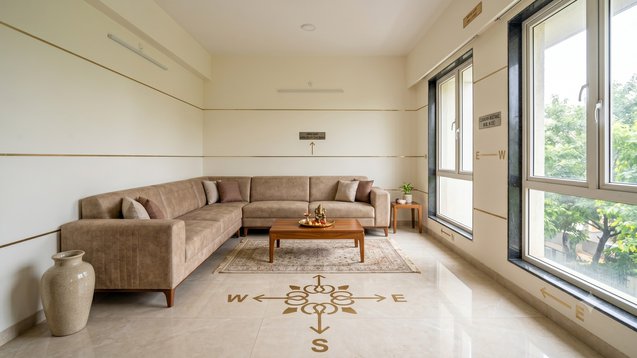
The seating arrangement of the living room stands as the most important element which people study in Vastu. The best placement for heavy furniture items such as sofas requires their positioning towards either the southern or western parts of the room. The seating arrangement which allows guests to face north or east provides them with positive seating options. The layout of the space achieves equilibrium because it matches the natural light sources and the design of the room. The center of the room should not have sofas which people want to use without any walls to assist them. The room design creates an impression of disorganized space which makes public areas appear unsteady. The existence of sufficient space for movement needs to be confirmed in this area. A living room which lacks sufficient space creates an uncomfortable environment regardless of its Vastu compliance.
Main Entrance and Energy Flow
The design of Indian homes requires their main entrance to connect with their living room which serves as the primary energy flow direction. Vastu requires this area to remain tidy while maintaining an open and friendly atmosphere. The entrance should remain clear of all objects which includes shoe racks and large furniture. The solution provides better access while enhancing the visual appearance of the space. The entrance area establishes the atmosphere which continues throughout the entire house.
TV Unit and Electronics Placement
Homeowners today use their living rooms to watch television shows. Vastu dictates that electronic devices need to be installed in the south-east direction which represents the fire element. The design arrangement functions effectively because it eliminates window glare while providing users with a comfortable viewing experience. The TV should not be positioned across from large windows because this arrangement will decrease watching ability. The entertainment unit requires users to maintain its surrounding area free from clutter while they need to organize all wiring.
Lighting and Ventilation
The design principles of Vastu and modern architecture both recognize the vital need for natural light and air circulation. A well-lit living room creates an atmosphere that invites people to enter because it provides open space. Natural light from the north or east direction brings the most advantageous effects to spaces. The use of three types of lighting for ceiling and floor and wall fixtures will create even illumination in spaces where apartments receive limited daylight. The process of air circulation requires equal weight to its main function. The entry of fresh air into a room enhances comfort while preventing the space from developing a stuffy atmosphere. The living rooms of properties which receive natural daylight from their windows attract more buyer interest at Property Aaj.
Colors That Enhance Positivity
The selection of colors determines the emotional atmosphere of your living room space. Vastu recommends light and neutral shades like beige, cream, light yellow, or pastel tones. The selected colors establish a space that promotes tranquility and hospitality. The space becomes oppressive when people use dark and forceful hues because these hues create a heavy atmosphere. Neutral colors from a design viewpoint enable designers to select various decorative elements and furniture pieces. You can always add personality through cushions, artwork, or rugs.
Décor, Mirrors, and Artwork Placement
The design elements of the space should create an improved atmosphere which maintains the existing area. According to Vastu, mirrors should be installed on north and east wall surfaces. The mirrors in the room create a broader space through their ability to reflect light. The artwork requires positive and uplifting content. The artwork should not include any images which create negative feelings or induce stress. The practical requirement for decoration needs to be restricted to essential functional elements. The room becomes cluttered when there is excessive decoration throughout the space. The selection of specific items will produce a more powerful effect than covering all wall spaces with decorations.
Balancing Open and Private Spaces
The common design of contemporary living rooms functions as a space that serves various activities throughout the day. The space can function as three distinct areas which include a dining area and a workspace and a play area designed for children. Vastu supports the idea of organized spaces which require the establishment of designated areas for each specific function. The design solution allows you to create your desired layout through the use of furniture and rugs and lights. People can enhance their comfort and efficiency in small apartments through the creation of divided spaces that maintain visual connections.
Differences Across Indian Cities
Indian living room designs demonstrate considerable differences between various regions of the country. The restricted space in Tier 1 cities requires designers to create compact spaces which serve multiple purposes. The space requirements for Tier 2 cities permit Nashik and Jaipur residents to choose larger homes which better match Vastu design requirements. The residents of Tier 3 towns can design their houses freely because they have access to independent homes yet their understanding of contemporary house layouts differs.
The Property Aaj website (https://www.propertyaaj.com) allows users to examine the differences in living room design according to various locations and budget constraints.
Common Mistakes Homeowners Make
The living room area becomes too crowded because people make the common error of putting too much furniture in that space. People make another mistake when they focus only on direction while they ignore the importance of lighting and ventilation. Homeowners who want to follow Vastu traditions but place their TV and seating in uncomfortable locations, which leads to discomfort. The biggest mistake, however, is forgetting the purpose of the space-to relax and connect.
What Smart Homeowners Do Differently
Homeowners who want to achieve balance need to study all aspects of their home. The three key elements of their work process which they value most are. The first element requires Comfortable seating The second element needs Good lighting and ventilation. The third element needs Minimal clutter The fourth element requires Functional layout. The Vastu system serves as a design guide which they use to create their spaces The Vastu system serves as a design guide which they use to create their spaces. The Property Aaj website (https://www.propertyaaj.com) provides home buyers with the actual living room experience which they need to evaluate their home.
Conclusion
The Vastu guidelines for living room design permit modern design elements and comfortable furniture arrangements. The design requires construction of an area which provides open space and maintains equal distribution of space while creating a warm atmosphere. The three elements of direction and placement together with layout design establish their own importance. The building design requires assessment of lighting systems and ventilation systems and user experience. The most effective home design solutions in contemporary Indian households result from blending traditional design principles with essential requirements for modern living.
Your living room space needs to provide both visual appeal and a comfortable atmosphere for you to use it properly.
FAQs
1. Which direction is best for the living room?
North, east, or north-east directions are considered ideal for living rooms.
2. Where should sofas be placed?
Sofas should be positioned between the south and west areas which permit guests to look towards north and east directions.
3. Is TV placement important in Vastu?
Yes, placing it in the south-east is generally recommended.
4. What colors are best for living rooms?
Light and neutral shades like beige, cream, or pastel tones work best.
5. Can I follow Vastu in an apartment living room?
Yes, but you must adjust your practices according to the permanent layout of your space.
6. Does Vastu affect property value?
It can influence buyer perception, but functionality and design are equally important.
Read more about property matters with our specialists and browse the latest property listings on Property Aaj. Download the app from the Play Store and App Store now for easy buying, selling, and renting!