Introduction
Homebuyers selecting between apartment buildings and gated communities typically prioritize four main factors which include their selected location, their home renovation budget, their interior design preferences, and their building features. The way a society operates its administrative functions stands as one of its most essential components which people frequently disregard. A well-managed society protects property value, ensures smooth daily living, maintains safety standards, and prevents internal conflicts. The consequences of poor management result in financial mismanagement through their security problems which cause maintenance work to be ignored and residents to become unhappy with their living environment. The quality of society management determines your long-term satisfaction when you buy property in Tier 1 cities such as Mumbai and Delhi NCR and Bengaluru and Tier 2 cities which include Jaipur and Indore and Tier 3 towns that follow planned development. Before finalizing any listing on Property Aaj (https://www.propertyaaj.com), evaluate how effectively the community is administered. Strong management transforms a building into a well-functioning community.
Understanding the Role of a Society Management Committee
Resident Welfare Associations (RWA) and cooperative housing society committees serve as the governing bodies that control residential society operations. The organization manages operations which include maintenance work and financial matters and vendor agreements and security systems and conflict resolution and adherence to local laws. Large professional management systems exist in Tier 1 cities because the societies need to maintain their operations through partnerships with facility management companies. In Tier 2 cities, RWAs create their operational structure through a combination of volunteer residents and vendor services. The internal committees of Tier 3 towns operate with complete authority while needing external resources to support their activities. The level of management activity and organizational structure determines the conditions which will exist in the future.
Transparency in Financial Management
The organization needs to document all maintenance funds and sinking funds and repair budgets and reserve funds to make this information accessible for resident review. The organization needs to check whether it performs annual audits and whether it provides financial documents to its members. The well-managed societies in Tier 1 cities create digital reports which they make available to the public. The documentation procedures in Tier 2 and Tier 3 cities allow sharing of documents during meetings but require documents to remain accessible at all times.
Maintenance Quality and Infrastructure Upkeep
Financial transparency prevents unauthorized spending while enabling organizations to conduct necessary repairs and improvements. The evaluation of maintenance quality together with building infrastructure assessment needs to happen. The building needs assessment through its physical evaluation. The building demonstrates effective management through its clean corridors and operational elevators and well-maintained gardens and adequate lighting and functional security systems. Tier 1 high-rise buildings require a structured vendor system to manage their complex maintenance needs. The mid-rise buildings in Tier 2 cities need active monitoring because they depend on this method for their operational activities. The efficiency of maintenance operations in Tier 3 towns depends on how well their committees perform their duties. The administration of an organization shows its strength through its management of infrastructure maintenance.
Security Oversight and Emergency Preparedness
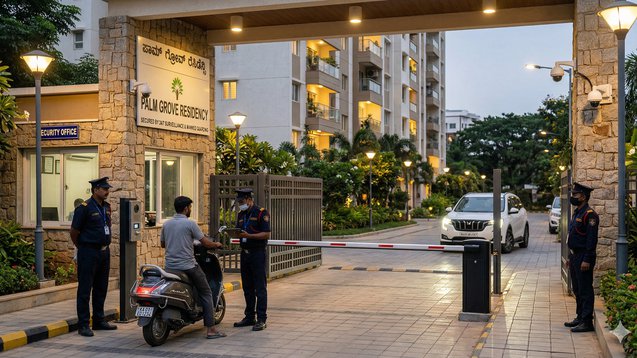
The development of a secure atmosphere needs efficient management of all activities in society. Security systems in the organization include CCTV surveillance, trained security personnel, visitor access control systems, fire safety inspections, and emergency response procedures. The security system in Tier 1 cities requires multiple protection layers which residents expect to see. Digital access systems have become standard security solutions in Tier 2 cities. Manual systems continue to operate in Tier 3 towns however active monitoring has become necessary for their establishment. Inquire about the frequency of fire drills and the regular inspection schedule for safety equipment. Effective management needs to establish emergency response plans instead of waiting for emergency situations to develop.
Dispute Resolution Mechanism
The development of a secure atmosphere needs efficient management of all activities in society. Security systems in the organization include CCTV surveillance, trained security personnel, visitor access control systems, fire safety inspections, and emergency response procedures. The security system in Tier 1 cities requires multiple protection layers which residents expect to see. Digital access systems have become standard security solutions in Tier 2 cities. Manual systems continue to operate in Tier 3 towns however active monitoring has become necessary for their establishment. Inquire about the frequency of fire drills and the regular inspection schedule for safety equipment. Effective management needs to establish emergency response plans instead of waiting for emergency situations to develop.
Communication and Resident Engagement
Active societies maintain regular communication with residents. Maintenance work and budget decisions and rule updates and upcoming meetings require organizations to provide their information in clear and timely manner. Well-managed societies encourage people to take part in cultural events and festivals and social activities. The process creates stronger connections between members of the community. Property Aaj (https://www.propertyaaj.com) users who want to examine community activity should visit the site during weekend and evening hours. The presence of active residents in the area shows that the management operates effectively. Strong communication establishes trust between people.
Vendor and Facility Management Quality
Society management is responsible for appointing housekeeping staff, security agencies, lift maintenance vendors, and landscaping services. In Tier 1 cities, professional facility management companies may handle operations. In Tier 2 and Tier 3 cities, committees directly supervise vendors. The inquiry should cover details about vendor contracts together with their renewal procedures. The pattern of changing vendors shows that a company faces either vendor dissatisfaction or financial difficulties. The presence of stable vendor partnerships shows that an organization maintains efficient management practices.
Legal Compliance and Documentation
Local municipal regulations together with property tax obligations and water usage norms and safety certifications all work together to create strong societal compliance. The building inspection process requires verification of occupancy certificates together with fire safety approvals and all essential municipal permits. The enforcement of Tier 1 cities regulations operates under strict monitoring which requires all residents to meet compliance standards. Documentation exists as a requirement for both Tier 2 cities and Tier 3 cities although enforcement standards differ between the two categories of cities. Legal compliance protects residents from unexpected penalties.
Maintenance Charges and Budget Planning
Societies with effective management systems calculate maintenance expenses by using methods which balance two factors, cost and service quality. Maintenance fees which fall below acceptable levels indicate financial problems, whereas exorbitant fees lacking clear explanation demonstrate operational failures.The assessment should begin with determining how maintenance expenses are spent. Organizations that use their budget to finance permanent repairs and painting maintenance and elevator replacement and water tank sanitation show they plan their operations strategically. The financial control practices which society management enforces lead to changes in property valuation.
Impact on Property Appreciation
Societies with strong management systems maintain their building structures and security requirements and community standing. The property value and rental market of a property depend on this particular factor. The buyers and tenants in Tier 1 cities show a clear preference for societies which maintain their operations through organized administrative systems. The demand in Tier 2 and Tier 3 markets depends mainly on the reputation which spreads through word-of-mouth. A well-managed society protects your investment.
Visit During Different Times
The evaluation of management quality requires assessment during both work hours and evening times at the society. The assessment requires observation of security discipline and cleanliness standards together with the overall state of the facility. Multiple resident interviews should be conducted instead of depending on one person's perspective. The assessment needs balanced feedback because it delivers an accurate representation of the situation. Management strength is best understood through practical observation.
Conclusion
The choice of an organization which has effective management systems operates at the same level of importance as selecting an appropriate building site or construction company. The process of effective management delivers financial transparency together with infrastructure upkeep and security protection and legal adherence and peaceful community interactions. The professional management systems of Tier 1 cities exist throughout the region yet their actual operations need assessment. The assessment process for Tier 2 cities demands thorough examination because organizations within these cities are moving towards their formal administrative systems. The internal committee power of Tier 3 towns requires active resident participation to strengthen their community ties. The quality of society management requires assessment before you make a property confirmation through Property Aaj (https://www.propertyaaj.com) process. A strong management committee protects comfort. The system protects the financial assets of the organization. The system maintains the property worth of the asset for extended periods.
FAQs
1. How can I check if a society has strong management?
The assessment requires examination of financial transparency and maintenance quality and security systems and current resident interviews.
2. Are high maintenance charges always a sign of good management?
The fees which need to be paid do not determine good management because both transparency and appropriate resource usage hold more significance.
3. Should I attend a society meeting before buying?
The meeting should be attended because it helps to understand how people communicate and make decisions.
4. How does management affect resale value?
The managed communities sustain their facilities and their reputation which attracts more potential buyers.
5. Is professional facility management better than internal committees?
The two systems demonstrate effective performance when they maintain proper organization and clear operational procedures.
6. What is the biggest red flag in society management?
The most significant warning sign includes both lack of financial transparency and failure to maintain proper upkeep.
Read more about property matters with our specialists and browse the latest property listings on Property Aaj. Download the app from the Play Store and App Store now for easy buying, selling, and renting!