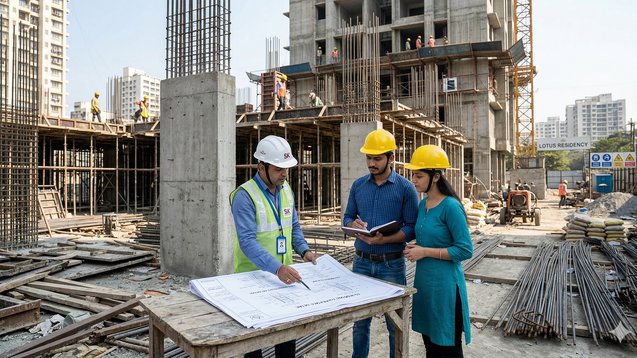
Selecting Homes Based on Earthquake Resistance
Introduction
When people buy a home in India, their primary concerns usually revolve around location, price, amenities, and future appreciation. People need to pay more attention to safety because it requires their complete focus. Earthquake resistance stands as one of many safety requirements which determines whether a building will protect its occupants or expose them to danger. India has multiple earthquake-prone areas because of its various geographic regions. The Himalayas and North-East India and parts of Gujarat and the city of Delhi have all experienced seismic activity throughout history. The 2001 Bhuj earthquake in Gujarat and northern India tremors show that earthquakes represent actual threats which can occur at any moment. Tier 1 city buyers in Delhi and Mumbai and Bengaluru have started to understand building safety requirements by now. Technical construction aspects receive less attention from buyers who assess homes in Tier 2 and Tier 3 cities but consider both affordability and location. Homeowners select earthquake-resistant homes because of their superior engineering design which protects their family and their home. Understanding earthquake-resistant construction information provides property buyers in India with the knowledge needed to make safe and intelligent purchasing choices. Homebuyers need to evaluate specific factors when they choose homes which offer protection against earthquakes.
Understanding India’s Seismic Zones
The existence of seismic risk classification systems used by India needs to be understood before assessing the earthquake resistance of any property. The Bureau of Indian Standards divides the country into four seismic zones: Zone II, Zone III, Zone IV, and Zone V, with Zone V being the most earthquake-prone. States such as Jammu and Kashmir, Himachal Pradesh and Uttarakhand together with certain areas of Gujarat and all of North-East territory belong to higher-risk earthquake zones which are designated as IV and V. The city of Delhi exists in Zone IV which establishes mandatory construction standards that all buildings must adhere to. The state of Maharashtra together with Karnataka and Tamil Nadu contains multiple cities which exist in Zones II and III. The area experiences lower earthquake risk because it has earthquake risk but not all earthquakes are impossible to happen at that location. The existence of zoning codes affects buyers because different construction standards will apply to their particular zones. High-risk zone developers need to apply more strict engineering requirements which will help them build structures that can handle seismic activities. The residential project in Guwahati needs to use more advanced structural design compared to the Dehradun project because its location falls within a high-risk area. The developers who want to practice responsible development should include seismic compliance information in all their project documents. Your evaluation process needs to include seismic zone verification as you look at property listings and study projects through Property Aaj (https://www.propertyaaj.com) platform. The first step toward selecting a secure home requires you to understand your property's exact geographic location.
The Importance of Earthquake-Resistant Building Methods
Homebuyers believe that earthquakes happen so infrequently that they should not consider this natural disaster threat. The historical record proves this assumption to be incorrect. Buildings collapse during earthquakes because of their design flaws rather than the earthquake strength which exceeds the design limits. Seismic-resistant construction protects buildings from total destruction during earthquakes but it does not prevent all damage. The design of the structure enables it to absorb seismic energy which helps prevent building collapse. The construction of buildings requires designers to create structures which will withstand earthquakes while maintaining operational capacity. Designers use this design feature to enable buildings to sway during earthquakes without sustaining permanent damage. The ability to move brings vital advantages which protect human lives. Developers in Tier 1 cities promote their buildings as "earthquake-resistant structures" which they market specifically to high-rise apartment buildings. The term should not be taken literally because marketing brochures use it as a general description for their products. In Tier 2 and Tier 3 cities, the situation becomes more dangerous because of poor construction practices. The construction of independent houses and small residential projects occurs without required structural engineering reviews. Promotional claims require buyers to conduct research because they need to understand the product. Inquire about the structural design aspects and engineering certification requirements and construction standards which the project will follow. Earthquake-resistant homes provide residents with safety features which increase the property's market value and buyer trust.
Checking Structural Design and Engineering Standards
The essential element of earthquake-resistant housing is determined through building structural design. Earthquake-resistant buildings in India must adhere to Bureau of Indian Standards (BIS) guidelines which include IS 1893 and IS 13920 regulations. The codes establish building design requirements which enable structures to resist seismic forces. The building codes establish requirements which include reinforcement specifications and foundation design requirements and requirements for structural flexibility and load distribution. It is appropriate for visitors to a property to request structural design certifications from the building developer or builder. Developers who operate with integrity hire licensed structural engineers to verify their work meets BIS requirements. Metro cities require high-rise residential building design because taller structures experience intensified seismic activity. The fundamental design principles for building construction should apply to smaller Tier 2 city apartment projects which contain four to five-story buildings. Real estate platforms such as Property Aaj (https://www.propertyaaj.com) require developers to disclose their earthquake safety code compliance when they research projects. Earthquake-resistant housing construction begins with an engineered structure which serves as its core component.
Soil Testing and Foundation Quality Assessment
Homebuyers tend to concentrate on visible parts of a building which include its exterior walls and interior spaces and building facilities. The secret to building security starts with the foundation which exists underground. Building performance during earthquakes depends on the existing soil conditions. Seismic waves experience greater amplification on soft soil compared to rocky terrain which results in more powerful earth tremors. Geotechnical soil testing forms an essential requirement for responsible developers who need to begin their construction activities. The tests identify which foundation type the site needs. Areas with loose soil need deeper foundations and special reinforcement techniques. Cities such as Mumbai and Chennai need special soil engineering because their coastal areas contain reclaimed land and high water tables. Smaller projects in Tier 3 cities and small towns proceed without soil testing because of their budget constraints which creates higher structural danger. Developers need to show buyers their soil analysis records which should include details about proper analysis methods from construction start to project completion. Builders who maintain good reputations provide this information through their project documentation. A building obtains better seismic resistance when it has a solid foundation which architects designed based on actual soil conditions.
Key Construction Features That Improve Earthquake Resistance
The construction techniques which engineers use for their building projects create better earthquake safety outcomes. The buyer needs to learn about these building elements because they will help him make better property assessments. The reinforced concrete frames function as an important structural element which uses steel reinforcement bars to create stronger building support. The building frames enable buildings to withstand seismic impacts while their structural components distribute seismic energy throughout their entire structure. The building design needs shear walls as an essential structural component. The vertical walls of the building provide support to high buildings by controlling their movement during seismic events. Shear walls serve as essential elements in the structural design of modern high-rise apartment buildings. The building design requires proper column placement to achieve its objectives. Buildings with irregular shapes or buildings which have uneven weight distribution face challenges during seismic events. The upper floors of buildings should use lighter materials because this design choice helps decrease earthquake-related structural stress. The construction techniques which developers use in Tier 1 cities have become standard procedures which handle all their building needs. The construction companies in smaller towns establish different building standards because they follow different operational procedures. Structural specifications need to undergo evaluation because buyers should investigate this aspect of the property instead of choosing to examine only the surface-level details which include interior design elements. The beautiful home design processes create structural systems that turn into potential safety hazards for residents.
High-Rise vs Low-Rise Buildings in Earthquake-Prone Areas
Homebuyers believe that low-rise buildings provide better earthquake protection than high-rise buildings. Building safety depends on engineering design which determines safe building height. Engineers use advanced seismic engineering techniques for modern high-rise buildings which they construct in Mumbai Bengaluru and Gurgaon. The buildings have structural dampers and reinforced cores and flexible frameworks as their design elements. Low-rise buildings which construction standards do not meet will become more dangerous than high-rise buildings because they need better structural support. High-rise buildings need to meet more demanding engineering requirements which apply to them in areas that experience earthquakes. Developers who operate their business ethically will follow all applicable rules and regulations. The smaller residential buildings in Tier 2 and Tier 3 cities need special assessment because they might lack essential structural assessments. Online project evaluation requires users to visit Property Aaj (https://www.propertyaaj.com) for developer authentication and project information verification before making their selection. Engineering quality has greater importance than building height for determining a building's structural integrity.
Government regulations play an important role in ensuring construction safety across India.
The Real Estate Regulatory Authority (RERA) introduction has improved transparency in multiple states. Developers must reveal all project information which includes required approvals and construction schedules under RERA regulations. RERA has two main goals which protect consumers and protect project information but it also creates a need for better construction practices. Multiple states require project approval to include structural safety certificates and engineering compliance documents. States and cities exhibit different levels of enforcement. Cities in Tier 1 have tighter construction standard enforcement, while smaller towns experience less strict construction oversight. Construction quality needs to be verified by buyers through independent methods, instead of using only regulatory approvals as their source of information. Property Aaj (https://www.propertyaaj.com) verified listings offer project details which enhance understanding of developer information and construction standards. Government regulations provide essential support, yet buyers need to have knowledge about safety standards for their homes, which they must check themselves.
How Earthquake Safety Influences Property Value
Earthquake-resistant construction leads to permanent value effects which affect properties throughout their entire existence. Buyers in high-seismic-risk areas show increasing preference for contemporary safety standard building designs. The pattern exists because people in Delhi, Ahmedabad, and Guwahati, who know more about earthquakes, demonstrate greater awareness of the trend. Properties built by reputable developers with strong structural engineering achieve greater resale value because buyers feel more confident about their quality. The demand for older buildings without adequate reinforcement will decrease as time progresses. Insurance companies evaluate property risk through their assessment of structural safety. Homes that follow seismic building standards become better candidates for insurance coverage. Investors see this element as a factor that affects their ability to attract tenants. Tenants prefer to rent properties that provide both structural safety features and modern construction standards. Homebuyers protect their families through their choice of earthquake-resistant homes while they choose a better long-term investment.
Conclusion
Most people consider home purchasing as their most important financial choice throughout their entire life. The factors of location and price and amenities will always remain vital. Yet people must remember to prioritize safety above every other consideration. Earthquake-resistant construction functions as an essential engineering element which protects people and property during natural disasters. The diverse geographical landscape of India creates different levels of seismic danger throughout the country. Earthquakes can occur throughout the entire Himalayan belt which extends to western India and northernmost areas. The cities which exist in areas considered to have lower earthquake danger still need to prepare for occasional tremor events that will occur at random times. Homebuyers must learn about structural safety and seismic zone designations and construction standards before they proceed to make property purchases. Buyers achieve substantial risk reduction through assessment of structural design and foundation strength and soil analysis and developer experience. Platforms like Property Aaj (https://www.propertyaaj.com) make it easier to research projects, compare developers, and access useful information before making such an important decision. The ideal home serves beyond its visual appeal because it provides safe protection to your family for many years ahead.
FAQs
1. What does earthquake-resistant construction actually mean?
The term earthquake-resistant construction describes buildings which designers create to endure seismic forces without collapsing. The buildings use reinforced materials together with flexible designs and strong foundations to protect against earthquake damage.
2. How can buyers verify if a building is earthquake-resistant?
Buyers should ask developers for structural design certifications, engineering reports, and compliance with Bureau of Indian Standards (BIS) codes such as IS 1893. Reputable developers usually provide this documentation.
3. Are high-rise apartments safe during earthquakes?
The modern architectural design of high-rise buildings enables them to sustain earthquake impacts through their seismic design elements which include shear walls and reinforced frames.
4. Do older buildings in India follow earthquake safety standards?
The majority of historical buildings were built before building codes required modern seismic regulations to be followed. Buyers need to evaluate three factors which include structural integrity, past renovation work, and engineering evaluation results when they assess resale properties.
5. Does earthquake-resistant construction increase property cost?
The total project expenses show only minor cost differences between earthquake-resistant construction and other building methods. The investment becomes worthwhile because safety advantages and extended property value benefits render the project beneficial.
6. Are Tier 2 and Tier 3 city buildings less earthquake-resistant?
The construction quality depends on the actual building process because it shows different standards between construction companies. Buyers should carefully verify engineering standards and developer credibility before purchasing property.