Introduction
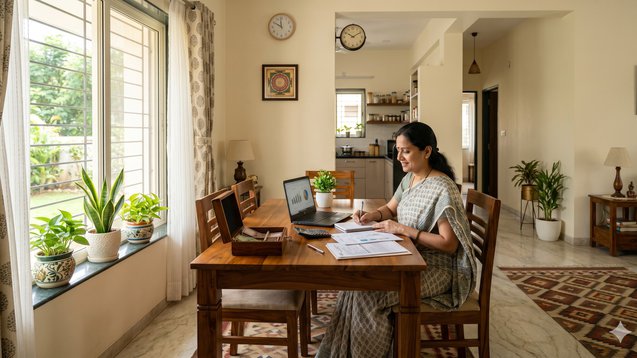
Vastu will become a topic of discussion during property discussions that take place throughout India. Some buyers won’t even consider a home unless it’s “Vastu-compliant.” The others view the Vastu system as an old practice that has lost its value for modern times. So who’s right? The truthful response is that both people hold some degree of truth. Vastu does not possess magical powers because it cannot transform bad investments into profitable outcomes. The system holds some value because it enables people to create their own spatial experience through specific design and usage principles. Vastu describes how people experience space through its design and usage patterns according to its basic definition. Space design determines how you experience your everyday activities. People should analyze the situation from an actual point of view. A dark, cramped, poorly ventilated home will feel uncomfortable no matter how affordable it is. A space that receives sufficient light and stays tidy with its organized items creates an instant positive atmosphere. The property differences between two spaces create an impact that affects your own emotional state and work efficiency plus your happiness with the property. The buyers in India develop an understanding of this relationship which exists between layout and light and usability from their experience of compact apartments in Mumbai and Bengaluru and their exploration of Tier 2 cities like Indore and Lucknow and Tier 3 towns which contain independent homes. The users now evaluate the layout design and available light and usability options on Property Aaj (https://www.propertyaaj.com) while searching for properties instead of depending only on property pricing and location information. The better question to ask about Vastu is which is more real: its existence as a scientific proof or its status as a myth. The answer becomes yes when your living environment affects both your life quality and your financial choices. Your answer becomes Vastu exists to serve a different purpose than people think.
What Vastu Really Means in Today’s Context
Let us make it easier to understand. Vastu, at its core, is about spatial planning. It describes how people use different areas of a home while describing how light and air flow through the space and how people move throughout the area. These architectural principles found their appropriate application in traditional Indian building design. Homes were built to maximize sunlight, ventilation, and comfort without modern technology. The practical concepts developed into cultural practices which included symbolic meanings throughout the years. The situation has transformed into its current state. The combination of high-rise buildings, compact designs and urban population growth prevents complete adherence to traditional Vastu practices. The fundamental principle requires spaces to maintain their functional capacity which creates a balance between comfort and usability. Modern homebuyers choose to forgo Vastu requirements because they believe in following modern fashion trends. The potential buyers use Vastu as their property selection framework at Property Aaj (https://www.propertyaaj.com) while they concentrate on elements that contribute to better everyday life.
Why Vastu Still Influences Buyer Psychology
The presence of Vastu beliefs in property decisions exists because people make property choices based on their belief in Vastu. Indian buyers make their purchasing decisions according to their understanding of local cultural elements. Educated buyers in Tier 1 cities will choose between two options because they want to achieve the best return on investment and they want to find homes which match their preferences. Vastu becomes more important for people who make their home buying decisions in Tier 2 cities. Vastu functions as a main element which determines buying choices in all aspects of Tier 3 towns. The following aspects receive direct consequences from this situation. The property will lose its resale value. The property will experience decreased rental demand. The property will become harder to sell. The property will become less attractive to buyers. Two identical flats located in the same building are different because one flat follows Vastu guidelines while the other flat does not. Your market perception of Vastu beliefs exists even if you personally reject them.
The Practical Side of Vastu That Actually Works
Let's remove all unnecessary elements to examine the elements which create actual changes. A Vastu-aligned home, in practical terms, usually has: Good natural light Proper ventilation Efficient layout Minimal clutter Logical room placement. The elements increase both comfort and usability of the space. The property value increases because efficient layouts make better use of expensive space in Tier 1 cities. The features in Tier 2 markets which attract buyers who want both affordable and comfortable products become selling points. Proper planning in Tier 3 towns which have larger homes as a standard practice, allows people to use buildings for extended periods. The advantages prove to be actual benefits which can be measured.
Where Vastu Becomes a Myth
Now let’s address the other side. Vastu becomes a myth when it’s presented as a guaranteed solution for success, wealth, or happiness. The following statement has been claimed by many people. The statement claims that this particular direction will lead to financial success. The statement claims that this particular design will resolve financial difficulties. The statement claims that this particular solution will resolve all problems. The statements present an exaggerated view of reality. The financial planning process and the process of building a career and the process of making intelligent investments and the process of maintaining self-control all require their own specific methods. In real estate, a poorly located property won’t perform well just because it’s Vastu-compliant. The property will increase in value because it has a prime location and strong infrastructure, even if it does not completely match Vastu standards. The fundamental principles of investing are more important to experienced investors while they use Vastu as their final decision-making tool.
Modern Apartments vs Traditional Vastu
Vastu implementation for contemporary residential buildings presents major difficulties because architects must adapt ancient design principles to current building needs. Space-efficient designs determine how builders create apartments in Tier 1 cities because they prioritize space requirements instead of using directional building methods. Builders give primary importance to three factors The first factor involves The second factor requires The third factor serves to achieve cost-saving results The result produces a situation where complete Vastu conformity becomes an uncommon occurrence. In Tier 2 cities, newer developments show moderate flexibility because builders implement basic Vastu principles. The design of independent homes in Tier 3 towns provides residents with more options to create their personal spaces. The main point shows how mandatory Vastu rules create problems for modern apartment design. Your attention should be directed towards these elements which you have the ability to manage
Financial Impact: Real or Psychological?
The existence of Vastu as a practice results in no direct effects on wealth creation but its effects reach financial outcomes through indirect pathways. A well-designed home improves three areas which include productivity and mental clarity and organizational efficiency and decision-making abilities. All of these elements work together to shape financial results. The absence of clutter in a home environment enables people to handle documents and expenses and their overall organization more effectively. The presence of sufficient lighting in workspaces enables personnel to concentrate better while completing tasks with increased productivity. The advantages which exist in high-pressure Tier 1 environments become crucial for success. The Tier 2 and Tier 3 environments provide benefits which contribute to sustained organizational stability throughout time. The existence of Vastu creates no financial benefits however it helps people develop better ways to handle their money.
Property Investment Perspective: Should You Care?
The Vastu principles of property investment show greater influence through market perceptions than through your personal convictions. When looking at your new property investment you should answer two questions. The first question requires you to determine whether the property will maintain its value for future sale. The second question asks whether tenants will choose this particular design. The space provides both comfort and functionality. Vastu-compliant residential properties attract more visitors than traditional homes. The website Property Aaj (https://www.propertyaaj.com) enables property comparison through analysis of layout design and directional orientation and functional usability which assists users in finding the right balance between operational needs and market demands. The primary factor driving return on investment in Tier 1 cities comes from the combination of property location and market demand. The buying process in Tier 2 cities requires customers to show their Vastu preferences. Vastu compliance in Tier 3 towns affects property resale values. The complete rejection of Vastu principles will restrict your customer base.
Legal and Financial Factors Matter More
The discussion of Vastu needs to maintain focus on essential aspects of real estate. You should give top priority to these six elements which include RERA registration, clear property title, builder reputation, loan eligibility, and stamp duty and registration costs. The financial security of your situation depends on these elements because they differ from state to state. The legally established property will always have greater value than the Vastu-compliant property which carries legal hazards.
The Balanced Approach: What Smart Buyers Do
Experienced buyers don’t take extreme positions. They don’t reject Vastu completely. They also don’t follow it blindly. The group uses its resources to assess two main factors which include location benefits and building infrastructure facilities. The team evaluates the space arrangement together with its practical function. The team considers Vastu as a personal choice which they use to observe multiple design tasks. The team seeks to maintain their original objectives without creating requirements that need to be satisfied. A buyer in Pune will select a Vastu layout which he considers less perfect when he finds the property has better connectivity and resale value. People make better decisions when they use this method of balanced thinking.
Conclusion: Not a Myth, Not Magic Just Practical Insight
Is Vastu existence based on actual evidence or does it exist as a non-actual mythical concept? The answer to this question exists as a double negative. Vastu combines architectural elements with cultural design elements from different communities. The application of this method in a practical manner improves the overall ambiance and operational aspects of a residence. Extreme implementation of this concept leads to results that become both excessive and incorrect. The key factor that matters most should be what actually brings value to the situation. A home with proper light and ventilation plus an efficient layout and usability will always outperform Vastu-compliant homes because they provide better living conditions and higher investment returns. First-time homebuyers should treat Vastu as an additional aspect to consider while making their purchasing decision. The path to sustainable success in real estate requires investors to make intelligent choices instead of following a predetermined path.
FAQs
1. Is Vastu scientifically proven?
Vastu is not a scientific system yet its principles about natural light and ventilation and space planning show scientific validity which helps people create better living environments.
2. Should I only buy Vastu-compliant property?
The decision requires more research because you need to assess three things first. Vastu can be considered as an additional preference, not a strict requirement.
3. Does Vastu affect property resale value?
Vastu-friendly homes in many Indian markets achieve higher buyer interest which boosts their resale value in Tier 2 and Tier 3 cities.
4. Can Vastu improve financial stability?
The answer is yes through indirect means. A well-organized and comfortable home supports better habits and decision-making which can impact finances.
5. Is Vastu important in modern apartments?
Basic principles about light and ventilation and space usage continue to hold importance, although design limitations make their application less essential.
6. How can I find a balanced property option?
Use Property Aaj (https://www.propertyaaj.com) to view properties which you can evaluate based on their layout and usability and location and Vastu elements.
Read more about property matters with our specialists and browse the latest property listings on Property Aaj. Download the app from the Play Store and App Store now for easy buying, selling, and renting!